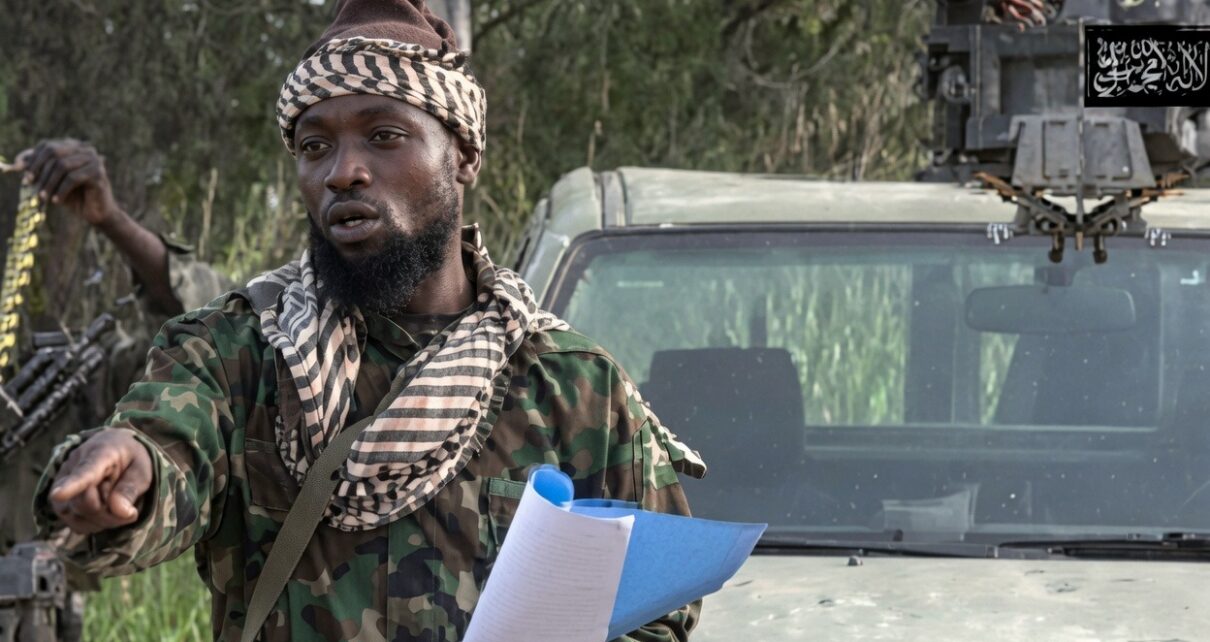
The vast Sahel-Sahara region has emerged as the new global hotspot for jihadist activity. From western Mali to the remote reaches of the Lake Chad basin, millions of civilians are trapped under the oppressive rule of militant factions linked to Al-Qaeda or the Islamic State. Villagers face brutal restrictions on farming, draconian social laws, and constant fear of violent raids. Yet the most alarming aspect of this crisis isn’t the strength of these groups—it’s the glaring absence of any coherent security strategy to counter them across the Sahel.
Emergency responses fail to match the scale of the threat
As armed factions move fluidly across porous borders, state responses remain disjointed, reactive, and short-sighted. Governments scramble to respond after each attack, but no unified military doctrine or long-term plan is ever implemented. True security policy demands more than just military hardware or social media declarations. It requires:
- Sustained cross-border coordination between Sahelian nations most affected by the crisis.
- Proactive protection of vital trade routes and farmlands to safeguard rural livelihoods.
- Robust intelligence networks that predict enemy movements rather than merely reacting to attacks.
Without these pillars, jihadist groups consolidate control, levy taxes, and impose their brutal rule over vast areas, effectively becoming the de facto authorities in parts of the Sahel.
Military-only strategies deepen instability
Another consequence of this security vacuum is the dangerous myth that brute force alone can defeat the insurgency. Ignoring the human security dimension—such as restoring schools, clinics, and fair justice systems—only fuels jihadist recruitment. When governments fail to deliver essential services, terrorist groups fill the void, offering their own twisted version of governance.
Military operations, no matter how successful in the short term, become futile without a broader plan to rebuild state authority. As soon as troops withdraw, militants return, often stronger and more entrenched than before.
A coordinated strategy or total collapse
The situation from Mali to Lake Chad serves as a stark warning. A fragmented, reactive approach cannot counter a sophisticated and adaptive insurgency. Unless regional leaders adopt a unified, data-driven, and strategically sound security policy, political statements will continue to ring hollow while armed groups tighten their grip on the Sahel.