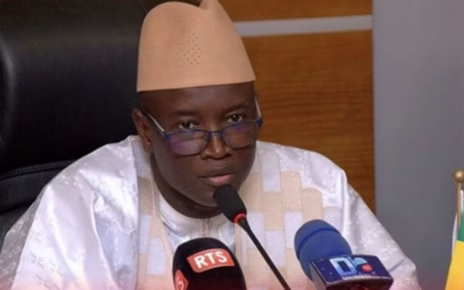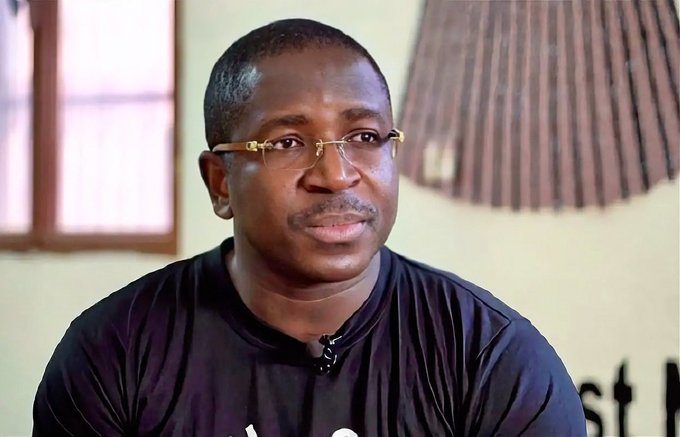
In Burkina Faso, the detention of Guy Hervé Kam, an opposition figure and prominent civil society activist, has intensified debates surrounding the country’s judicial practices and respect for fundamental rights. Kam, a co-founder of the civic movement Balai Citoyen and leader of the political group Sens, was hospitalized in early June due to health complications, yet remains incarcerated without trial since January 2024.
Prolonged detention amid deteriorating health
The circumstances of his arrest in early 2024 coincided with a period of heightened political and security tensions in Burkina Faso. Despite the passage of over eighteen months, no trial date has been disclosed, prompting concerns from his legal representatives, family members, and human rights organizations. The prolonged detention of a political figure without judicial proceedings raises serious questions about compliance with constitutional and international obligations.
Burkina Faso’s legal framework, including the African Charter on Human and Peoples’ Rights and the International Covenant on Civil and Political Rights, guarantees the right to a fair trial within a reasonable timeframe. However, the lack of transparency in Kam’s case has fueled allegations of procedural irregularities and undermined public trust in the justice system.
Legal and humanitarian concerns escalate
The announcement of Kam’s hospitalization has further aggravated the situation, as supporters warn that prolonged detention, compounded by inadequate medical care, could exacerbate his condition. Access to healthcare is a fundamental right for all detainees, a principle repeatedly emphasized by international human rights standards. Observers stress that the state bears a duty to ensure detainees receive appropriate medical attention, regardless of their legal or political status.
Since the transitional authorities assumed governance, a growing number of critics—including politicians, journalists, and civil society members—have faced arrests or restrictive measures. Reports from international watchdogs have highlighted a shrinking civic space in Burkina Faso, with increasing restrictions on public freedoms and political pluralism in the context of ongoing security challenges.
Broader implications for justice and democracy
For many human rights advocates, Kam’s case has evolved into a symbol of deeper systemic issues. It underscores critical questions about judicial independence, adherence to the rule of law, and the protection of political dissent in a nation grappling with severe security threats. The absence of a trial date for an opposition leader, despite prolonged detention, has intensified scrutiny over Burkina Faso’s commitment to democratic principles and human rights norms.
As Kam remains in custody pending potential legal proceedings, his hospitalization serves as a stark reminder of the urgent need to uphold detainees’ rights in line with international human rights law, irrespective of their political affiliations.