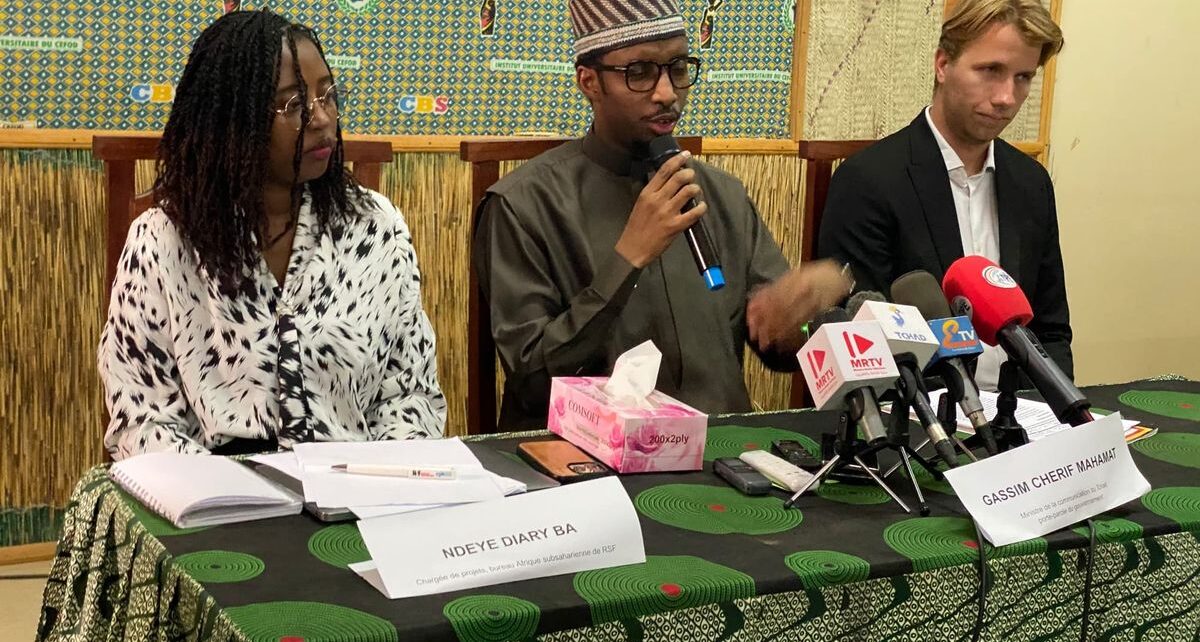
N’Djamena, Chad — A regional gathering of Sahel journalists is underway in N’Djamena this week, focusing on the legal safeguards essential for media professionals reporting on environmental issues. The workshop, bringing together journalists from Mali, Niger, Burkina Faso and Chad, aims to equip them with the tools and knowledge to navigate the risks inherent in their field.
The initiative, organized at the Centre d’Études et de Formation pour le Développement (CEFOD), underscores the growing threats faced by environmental journalists in the Sahel. From climate change impacts to dwindling natural resources, these reporters play a critical role in informing communities about pressing environmental challenges. Yet, their work is frequently met with insecurity, legal pressures and digital threats, prompting urgent calls for stronger protections.
The opening ceremony was led by Chad’s Minister of Communication and government spokesperson, Gassim Chérif Mahamat. In his address, he emphasized the indispensable role of media in raising public awareness about environmental concerns and called for policies that foster a safer environment for journalists. His remarks set the tone for a series of discussions centered on legal protections, digital and physical safety, and the unique challenges of covering environmental stories in the region.
Shared experiences to strengthen resilience
Over the coming days, participants will engage in interactive sessions designed to foster collaboration and knowledge exchange. By sharing firsthand experiences, journalists from across the Sahel will identify common threats and best practices for mitigating risks. The workshop also aims to produce actionable recommendations to advocate for stronger legal frameworks and enhanced safety measures for environmental reporters.
According to organizers, such forums are vital in a region where climate-related crises and resource conflicts are intensifying. The need for reliable, localized reporting has never been greater, yet the dangers faced by journalists continue to escalate. Events like this one provide a platform for solidarity and collective problem-solving, ensuring that those on the frontlines of environmental journalism can operate with greater confidence and security.