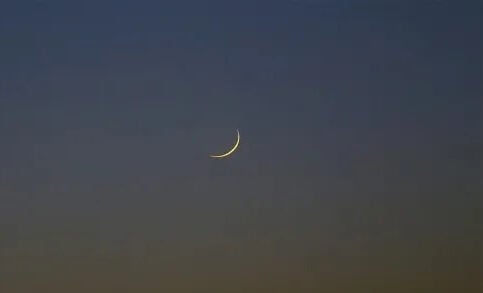
Senegal delays Eid al-Adha as moon sighting fails
Local astronomers in Senegal failed to sight the new moon marking the start of Dhul Hijjah 1447 on Sunday, May 17, 2026, prompting an official shift in the Islamic calendar. The delay has been confirmed, and Eid al-Adha will now be observed on Thursday, May 28, 2026, raising discussions about lunar observation methods in the region.
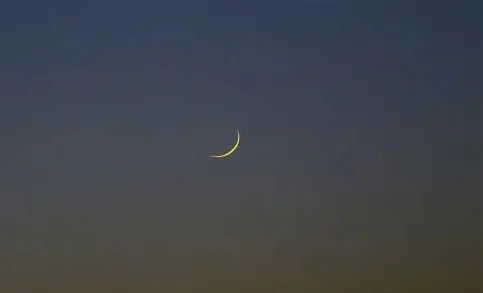
In Senegal, the Supreme Islamic Council confirmed the absence of the crescent moon during evening observations on Sunday. This means the Islamic month of Dhul Hijjah will begin on Monday, May 18, 2026, rather than Sunday, May 17. As a result, the Arafat Day—a key date in the Hajj pilgrimage—will be marked on Wednesday, May 27, 2026, followed by Eid al-Adha on Thursday, May 28, 2026, for Senegalese Muslims.
The discrepancy in dates across different Muslim-majority countries is not uncommon. Some nations rely on local moon sightings, while others use astronomical calculations or official declarations from religious authorities. This year, several countries in the Sahel and West Africa have set different dates for Eid al-Adha, highlighting variations in religious observation practices.
Why do dates for Eid al-Adha vary?
The difference in celebration dates stems from the way each country determines the start of the Islamic month. Some nations prioritize direct observation of the new moon by religious scholars or local communities, while others follow astronomical predictions or regional consensus. In Senegal, the tradition of local moon sighting remains central to setting religious calendars, which can lead to delays compared to countries using alternative methods.
What’s next for Senegal’s Islamic calendar?
With the new moon sighting delayed, Senegalese Muslims will now prepare for Arafat Day and Eid al-Adha according to the revised schedule. The shift ensures alignment with local religious practices, even as neighboring countries may celebrate on different dates. This annual variation underscores the diverse approaches to Islamic observance across the Sahel region.