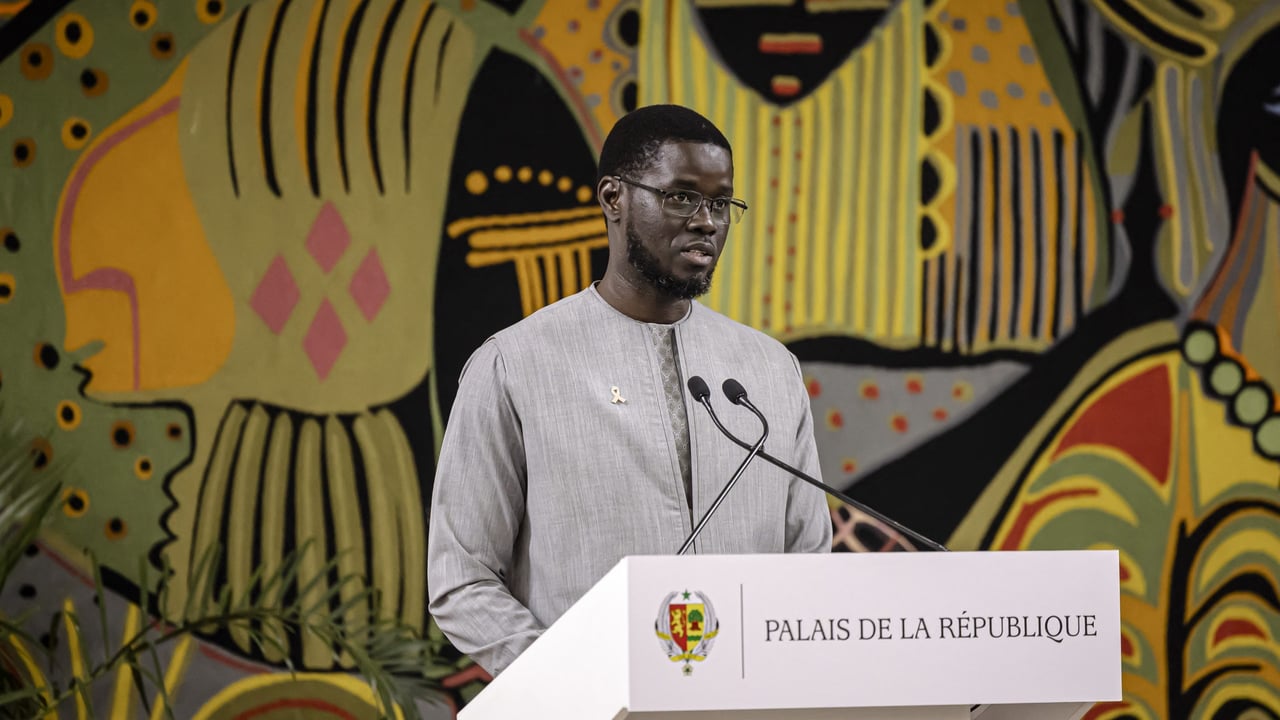
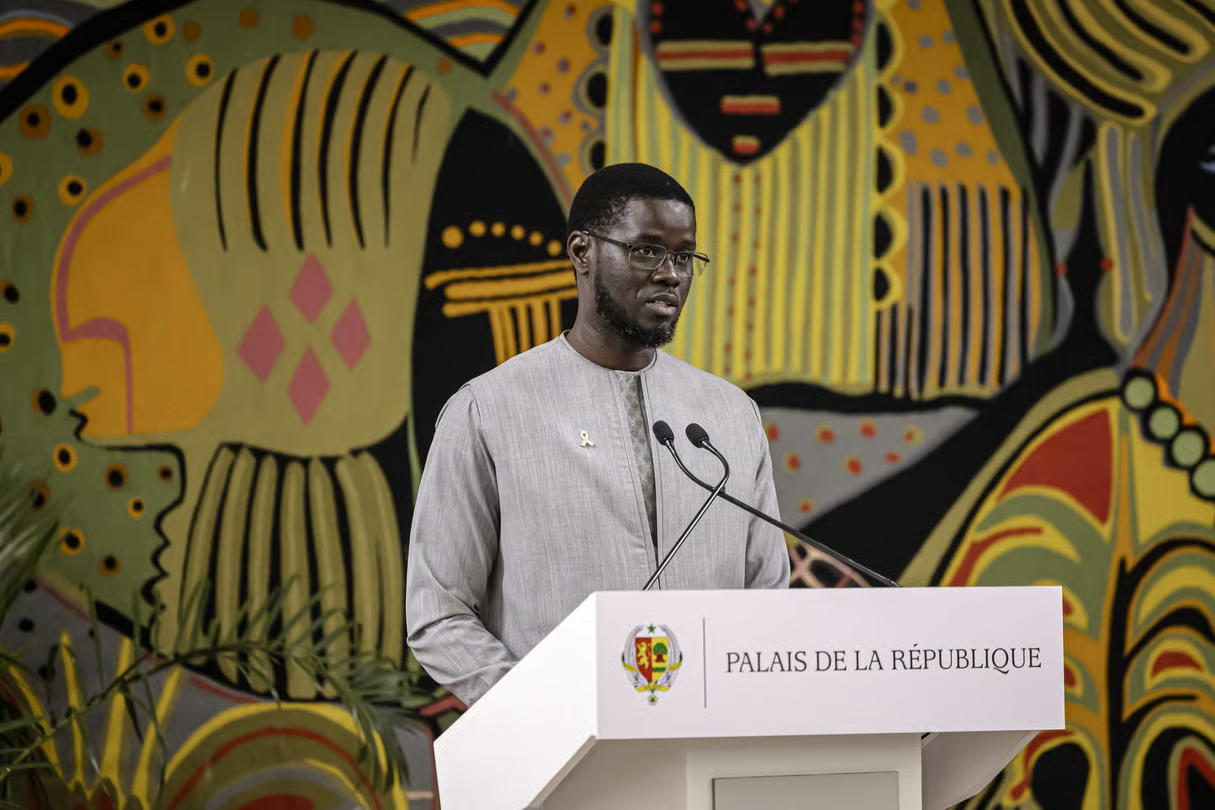
President Bassirou Diomaye Faye of Senegal has reshaped the country’s leadership landscape by unveiling a fresh cabinet lineup, marking a defining moment in the nation’s political trajectory. The announcement underscores the delicate balance of power unfolding in Dakar as the administration navigates a period of transition.
At the heart of this restructuring is the integration of key figures from the Pastef movement, a political force that has reshaped the country’s governance since its rise to prominence. The inclusion of Ousmane Sonko, the movement’s influential leader, in the new government signals a strategic alignment between the executive branch and the party that propelled Faye to victory.
a new era of governance in Senegal
The formation of this government is more than a routine administrative update—it represents a deliberate effort to consolidate the political vision set forth by the administration. By incorporating leaders from Pastef, the administration is signaling its commitment to the movement’s core objectives while ensuring continuity in policymaking.
The cabinet reshuffle reflects a broader trend in West African politics, where younger, reform-minded leaders are redefining governance models. In this context, Faye’s administration is positioning itself as a forward-thinking force, prioritizing transparency and citizen engagement in its decision-making processes.
key appointments and strategic shifts
The new government’s composition highlights several noteworthy appointments. Among them is the inclusion of former opposition figures who have now transitioned into key ministerial roles. This move is seen as a calculated step to foster national unity and bridge divides that have historically strained the country’s political fabric.
Analysts point to the significance of these appointments, noting that they reflect a broader strategy to stabilize the political environment. The government’s structure now features a blend of experienced technocrats and political allies, aiming to strike a balance between institutional expertise and ideological alignment.
the role of Pastef in Senegal’s evolving politics
The Pastef movement has emerged as a pivotal force in Senegal’s political landscape, championing issues such as economic justice and anti-corruption. Its integration into the government underscores the movement’s growing influence and the administration’s willingness to embrace its agenda. This collaboration could redefine the country’s policy priorities in the coming years, with a renewed focus on social welfare and economic reforms.
The government’s formation also serves as a testament to the resilience of Senegal’s democratic institutions. Despite challenges, the country continues to demonstrate its capacity to adapt and evolve, setting an example for the region. The inclusion of Pastef in the executive team is a clear indication of the administration’s dedication to inclusive governance.
challenges and opportunities ahead
While the new government presents a promising vision for the future, it also faces significant challenges. Economic pressures, regional security concerns, and the need for structural reforms will test the administration’s resolve. However, the strategic appointments made in this cabinet reshuffle suggest a proactive approach to addressing these issues.
The government’s ability to deliver on its promises will be closely scrutinized in the coming months. Public expectations are high, and the administration’s success will hinge on its ability to translate policy into tangible results. The integration of Pastef’s leadership into the government is a bold move, and its outcomes could shape the trajectory of Senegal’s political and economic landscape for years to come.