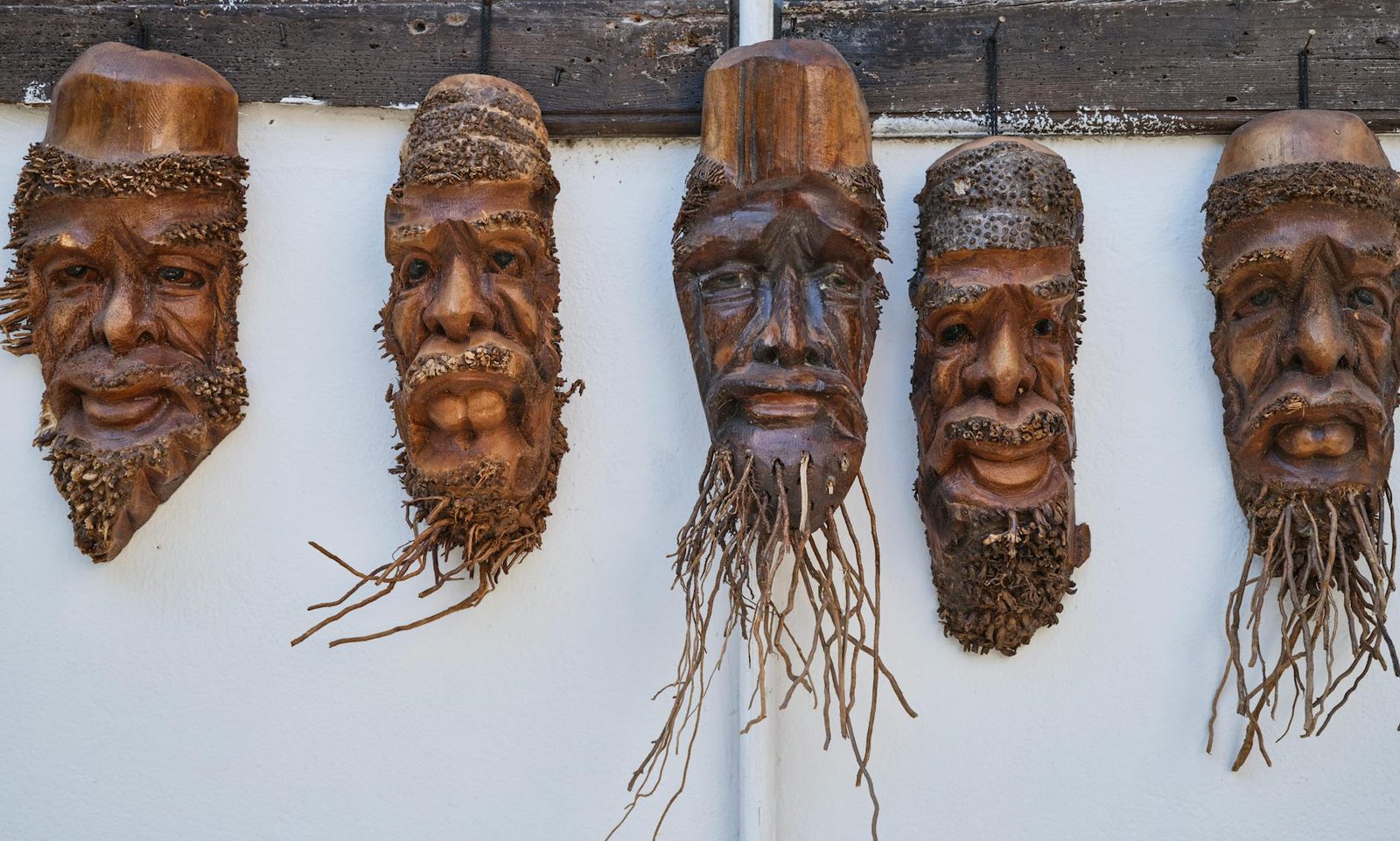
In an unprecedented move, the city of Bordeaux has set a new precedent in the restitution of African cultural heritage. On June 1st, 2026, municipal authorities officially declined a bequest of 53 artworks originally sourced from multiple African nations, currently housed in the reserves and galleries of the Musée d’Aquitaine. Rather than an act of rejection, this decision serves as a critical legal maneuver to facilitate the repatriation of 33 of these pieces to Libreville, Gabon’s capital.
Navigating French law to secure cultural restitution
Bordeaux’s decision highlights the innovative legal strategies French municipalities are adopting to respond to African nations’ restitution demands. Since the 2018 Sarr-Savoy report, the principle of returning colonial-era cultural artifacts has gained significant public traction, though it lacks a unified legislative framework. Each restitution case requires a tailored legal approach, often involving bespoke parliamentary laws. By refusing the bequest before its formal integration into public collections, Bordeaux circumvents France’s strict inaliénabilité principle—preventing objects from entering public museum holdings, which would otherwise make future transfers nearly impossible. This legal maneuver preserves the city’s flexibility to organize a direct transfer to Gabon.
This strategic move reflects Bordeaux’s broader commitment to addressing its colonial legacy. Historically, the city’s 18th-century prosperity was deeply intertwined with the transatlantic slave trade. In recent years, Bordeaux has intensified its memorial initiatives, and this decision marks a shift from symbolic gestures to tangible legal action. The refusal of the bequest is not merely procedural; it is a deliberate step toward correcting historical injustices through institutional means.
Gabon’s cultural sovereignty takes center stage
For Gabon, the return of 33 artifacts from Bordeaux’s collection represents far more than a symbolic gesture. These objects, including masks and reliquaries from the Fang, Punu, Kota, and Tsogho peoples, are not only of immense cultural significance but also hold considerable market value—with some Kota reliquary statuettes fetching hundreds of thousands of euros at auction. Their repatriation would bolster Libreville’s national collections and support ongoing efforts to revitalize Gabon’s cultural identity, particularly among communities whose heritage has been dispersed through colonial expropriation.
Since the political transition in August 2023, Gabon has prioritized cultural sovereignty as a cornerstone of its national narrative. The recovery of these artifacts aligns with this vision, positioning restitution as a key component of the country’s post-colonial identity. However, the path forward remains uncertain. While Bordeaux’s refusal of the bequest initiates the process, it does not finalize it. French authorities must still clarify the transfer framework, while Gabonese officials must demonstrate their capacity to preserve and exhibit these works to international museum standards.
Bordeaux’s model could reshape restitution efforts across France
The Bordeaux precedent may inspire other French cities grappling with similar restitution requests. Municipalities like Marseille, Lyon, Nantes, and La Rochelle hold colonial-era collections with ambiguous legal statuses. The Girondin approach offers a replicable model, provided the bequests in question have not yet been formally integrated into public holdings. For African nations, this method presents a faster alternative to the cumbersome process of securing dedicated parliamentary laws for each restitution case.
The implications of this decision extend beyond Gabon. Countries such as the Sénégal, Bénin, Côte d’Ivoire, and Cameroun are closely monitoring Bordeaux’s strategy. While France’s 2021 restitution of 26 royal treasures to the Bénin required a specific parliamentary law, the Bordeaux method—more discreet yet equally effective—could streamline future repatriations. With thousands of African artifacts still scattered across French museums, this legal innovation may prove pivotal in reshaping the landscape of international cultural diplomacy.