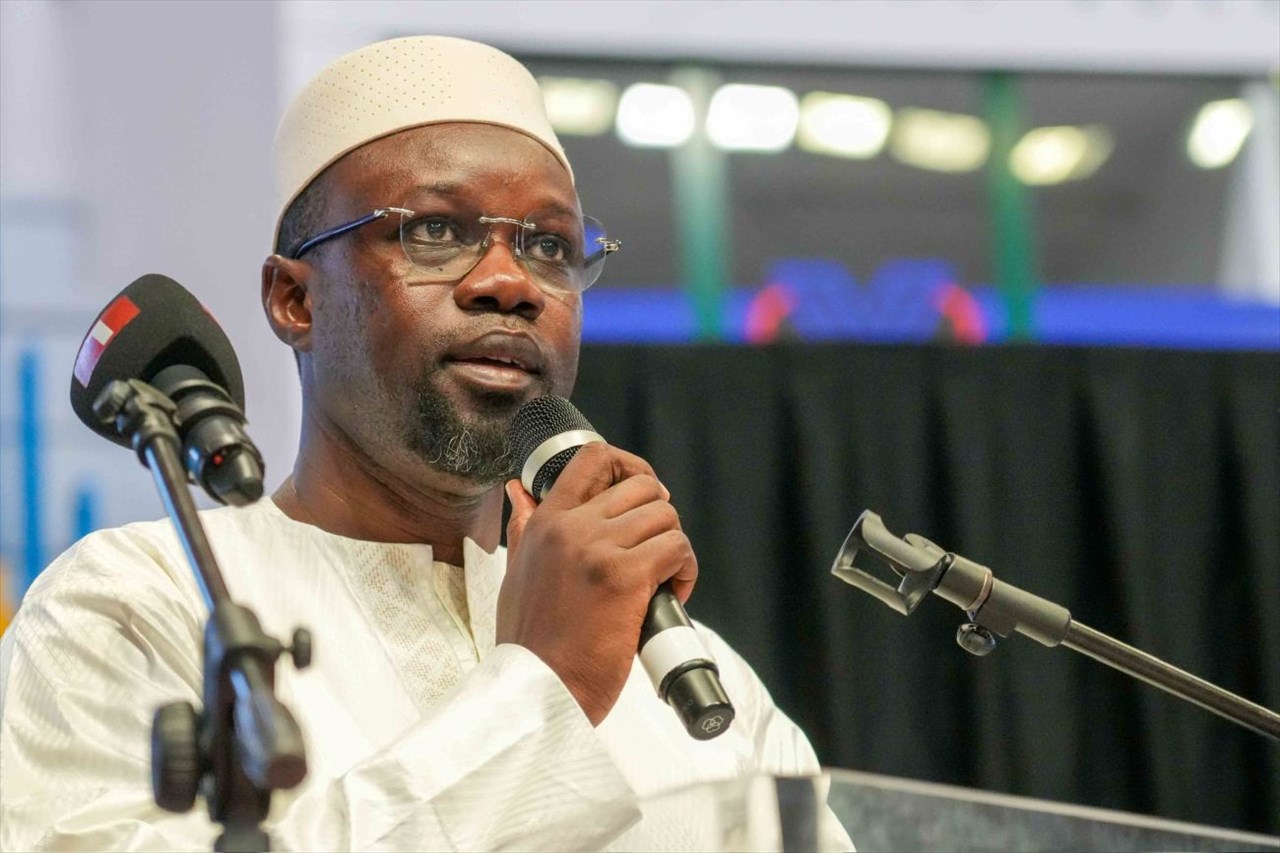

The political landscape in Senegal remains in flux as a dramatic weekend unfolds. Just 48 hours after the dismissal of Prime Minister Ousmane Sonko, the President of the National Assembly, Malick Ndiaye, announced his resignation from the speaker’s position on Sunday, May 25. The decision followed an emergency meeting of his party, Pastef.
In a statement released on social media, Ndiaye explained his choice, stating, “After deep reflection, guided by a sense of duty and the greater good for the nation, I have decided to step down as President of the National Assembly of Senegal. This decision stems from my commitment to institutional integrity, public responsibility, and the supreme interests of the country.”
Since assuming leadership of the Assembly, Ndiaye has worked alongside lawmakers and staff to strengthen parliamentary institutions, enforce transparency, and enhance both national and international visibility of the legislature.
Following his resignation, the Assembly moved swiftly to reinstate Ousmane Sonko as a deputy on the same day. A vote for a new speaker is scheduled for Tuesday, May 26, with strong indications that Sonko, leader of Pastef, is poised to secure the position. His party currently holds a commanding majority in parliament, making his rise from dismissed premier to second-highest state official a rapid and unprecedented shift.
Observers suggest this transition signals a growing political rivalry between Bassirou Diomaye Faye and Ousmane Sonko. With local elections approaching and the 2029 presidential race on the horizon, strategic alliances and power dynamics are expected to dominate Senegal’s political agenda.
Another key question looms: will President Bassirou Diomaye Faye dissolve the National Assembly when the constitutional deadline expires in December? Until then, the nation remains on edge, awaiting the appointment of a new prime minister tasked with forming a government under intense political pressure.