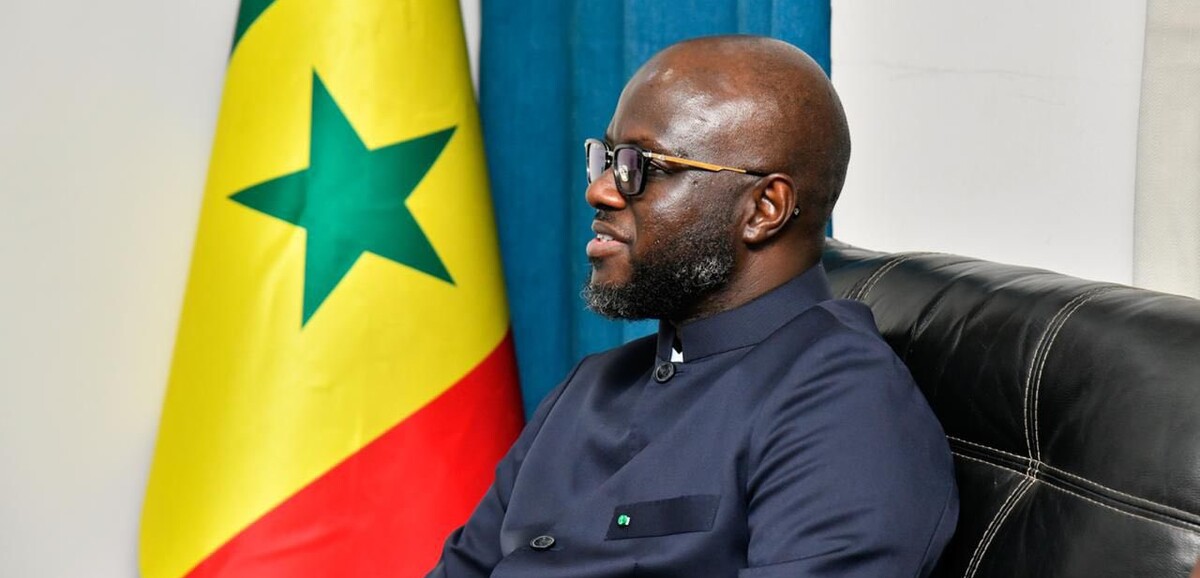
Senegal’s political landscape shaken as Assembly leader steps down
The Senegalese political scene has been jolted by a fresh wave of instability. El Malick Ndiaye, President of the National Assembly, announced his resignation just 48 hours after Prime Minister Ousmane Sonko was removed from office by President Bassirou Diomaye Faye.
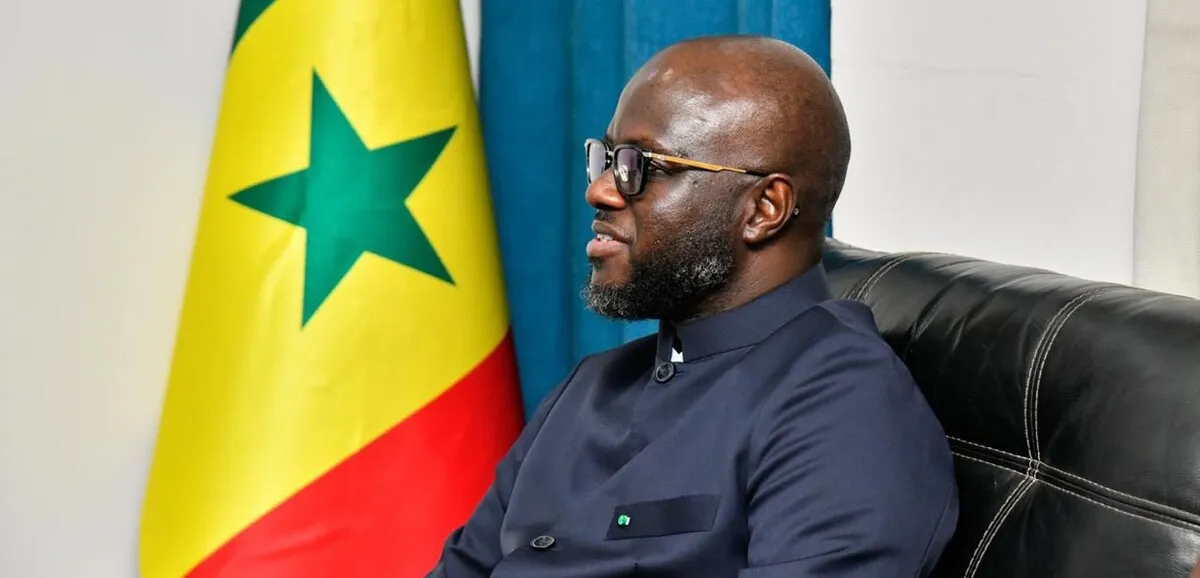
In a statement shared on social media, Ndiaye framed his decision as a personal choice driven by the supreme interests of the nation, though he offered no further clarification on his motives.
A dramatic shift in parliamentary power
The abrupt departure of the Assembly’s leader has created a power vacuum, leaving the door ajar for Ousmane Sonko’s potential ascent to the helm of the legislative body. Sonko, leader of the Pastef party, remains the dominant figure in the parliamentary majority, which secured 130 out of 165 seats in the November 2024 legislative elections.
Despite being barred from running in the 2024 presidential race due to a prior judicial ruling, Sonko played a pivotal role in propelling Bassirou Diomaye Faye to the presidency under the rallying cry of “Diomaye Moy Sonko.”
The widening rift between Faye and Sonko
Tensions between the two key figures have been simmering for months, culminating in an official break following the Prime Minister’s dismissal. This political fracture raises pressing questions about Faye’s ability to govern effectively and push through critical reforms amid Senegal’s already strained economic conditions.
The coming days could determine the future trajectory of the Senegalese government as it grapples with escalating uncertainty.