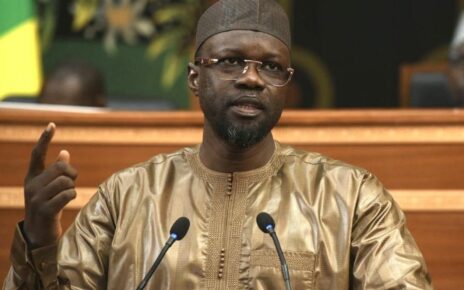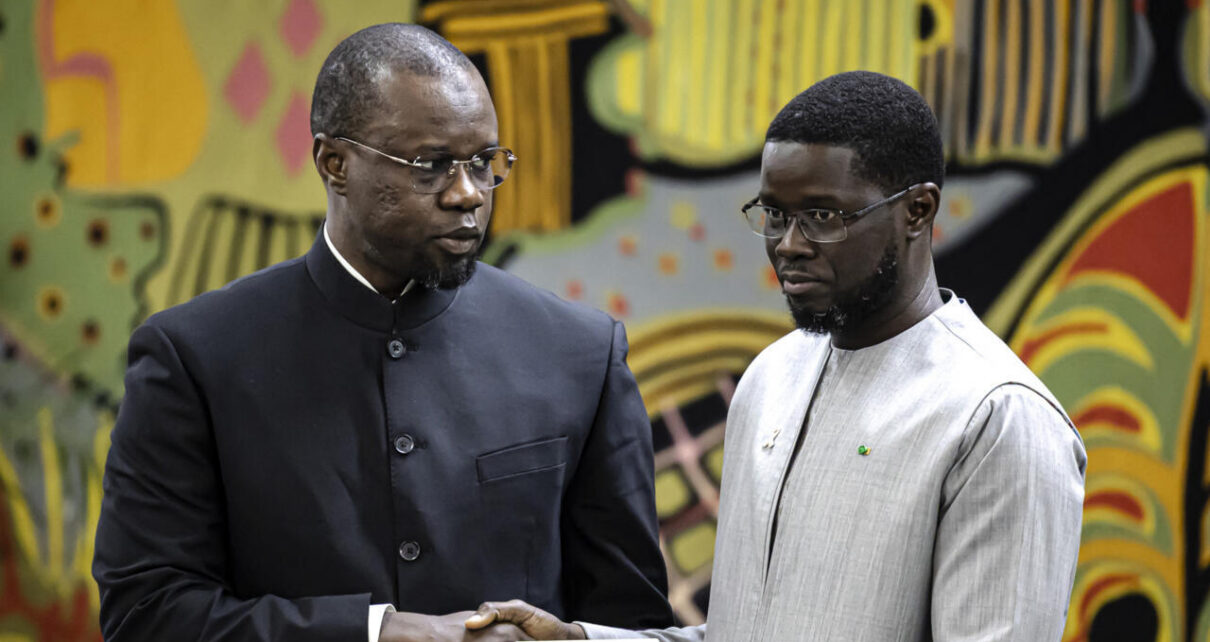
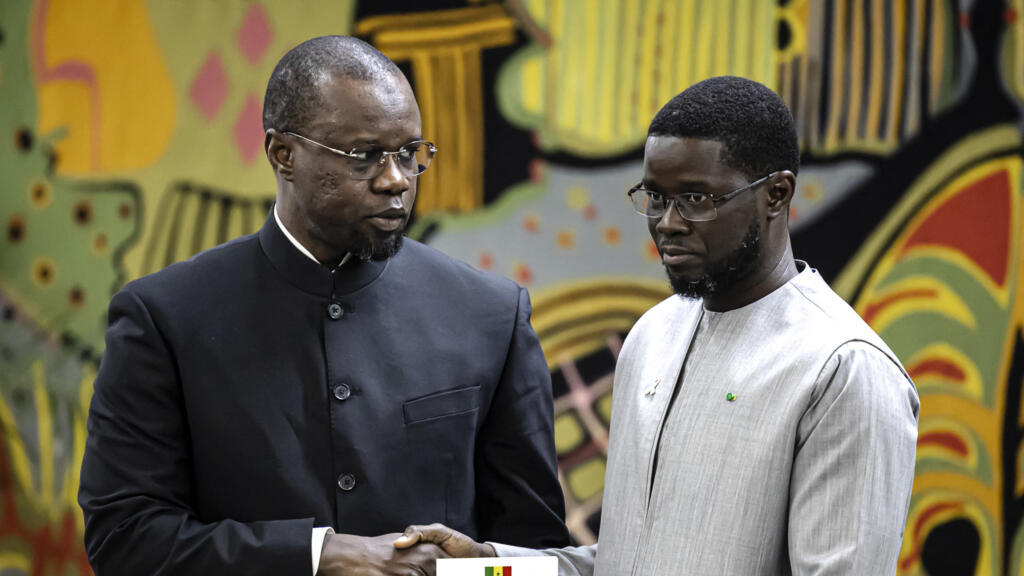
After just two years in office, President Bassirou Diomaye Faye has ended Ousmane Sonko’s premiership, reshuffling the political landscape. Now serving as National Assembly president, Sonko remains a dominant figure as head of the Pastef party, which holds a majority in Parliament despite being excluded from government. How did this rupture unfold? Can a tense cohabitation between the presidency and the legislature endure? And what impact will these divisions have on urgent national priorities?
Panelists:
- Abdoulaye Tine, Presidential Advisor and Spokesperson for the Republic of Senegal.
- Amadou Ba, Former Minister of Culture, Member of Parliament, and National Secretary for Communication of the Pastef party.
- Babacar Ndiaye, Political Analyst and Research Director at the Wathi think tank.
The unexpected political breakup between President Bassirou Diomaye Faye and former Prime Minister Ousmane Sonko has sent shockwaves through Senegal’s political scene. Sonko, now serving as Assembly President, continues to wield significant influence as leader of the Pastef party, which dominates Parliament but remains absent from government. This power shift raises critical questions: What led to this decision? Can the two leaders navigate a strained cohabitation without derailing national priorities? As Senegal faces pressing challenges, the political rift threatens to overshadow urgent socio-economic issues demanding immediate attention.
Understanding the rupture
The decision to remove Ousmane Sonko from the premiership reflects deeper disagreements over governance priorities and policy direction. Sonko, a prominent figure in Senegalese politics, maintains strong support within the Pastef party, which holds a majority in the National Assembly. His continued leadership of the party, despite being excluded from the government, underscores a widening divide between the presidency and the legislature. Analysts suggest that this rift could reshape the political dynamics in Senegal, with potential consequences for stability and policy implementation.
Challenges of cohabitation
A cohabitation between a president and a prime minister from opposing political factions is a delicate balance. In Senegal’s case, the stakes are even higher, given the Pastef party’s majority in Parliament. The absence of the party from the government raises concerns about legislative cooperation and policy alignment. President Faye’s decision to exclude Sonko and his allies from the cabinet could lead to legislative gridlock, complicating efforts to address pressing issues such as economic recovery, social welfare, and national security. As tensions rise, the question remains: Can these leaders find common ground, or will their differences undermine Senegal’s progress?