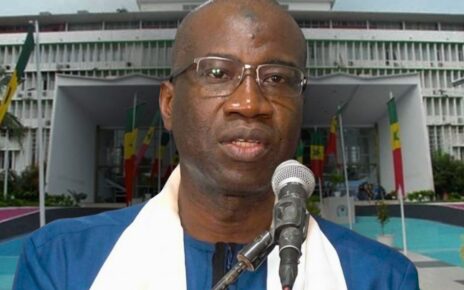
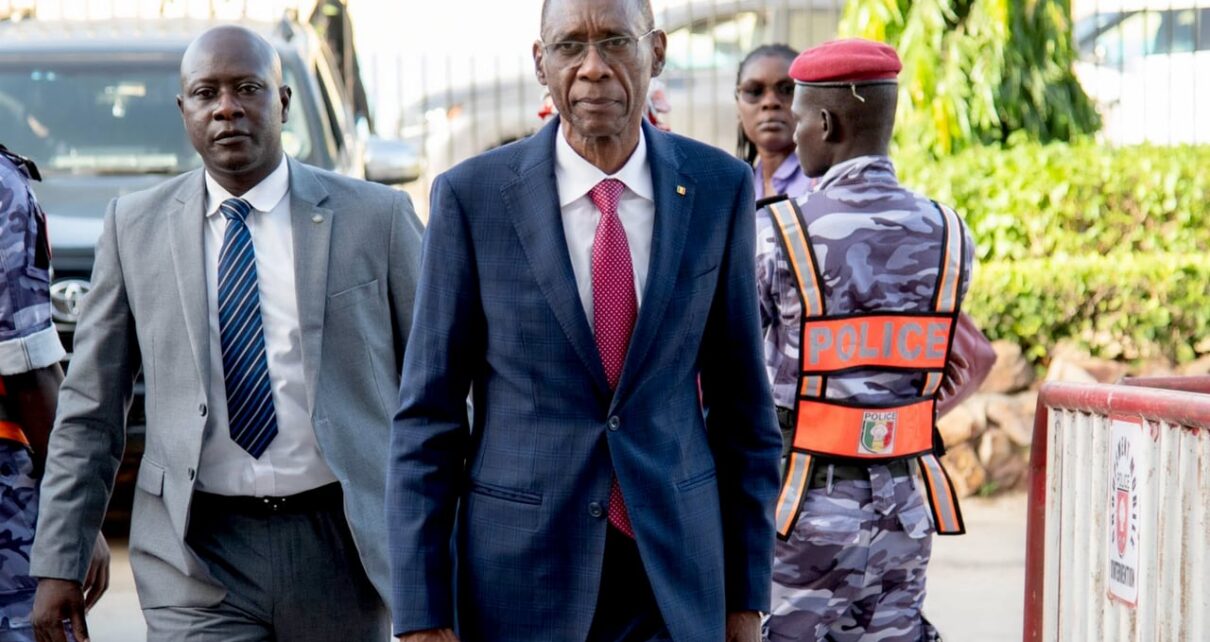

With decades of diplomatic experience under his belt, Senegal’s Foreign Affairs Minister Cheikh Niang is taking bold steps to strengthen relations with the Alliance of Sahel States (AES). His approach combines seasoned negotiation skills with a clear vision for regional cooperation amid evolving geopolitical dynamics.
Building bridges in a shifting regional landscape
The AES, formed by Burkina Faso, Mali, and Niger, has reshaped the Sahel’s diplomatic map. Senegal, traditionally a bridge between West Africa and international partners, now faces the challenge of engaging with this bloc while maintaining its strategic autonomy. Cheikh Niang is positioning Dakar as a key interlocutor in this new configuration.
During recent high-level meetings, he emphasized the need for constructive dialogue to address shared security and economic concerns. His strategy hinges on leveraging Senegal’s diplomatic credibility to foster trust and open channels of communication with AES leaders.
Priorities in Senegal’s foreign policy agenda
The Minister outlined three core objectives for Senegal’s engagement with the AES:
- Security cooperation: Strengthening joint efforts against terrorism and organized crime through coordinated intelligence-sharing and military training programs.
- Economic integration: Exploring trade agreements that benefit all parties, particularly in agriculture, energy, and infrastructure development.
- Humanitarian solidarity: Ensuring that border communities receive consistent support, including access to healthcare and education.
Challenges and opportunities
Engaging with the AES presents both hurdles and advantages. Regional instability and differing political ideologies could complicate negotiations, but Senegal’s stable governance and economic resilience offer a solid foundation for partnership. Cheikh Niang has stressed that Senegal’s role is not to impose solutions but to facilitate mutually beneficial agreements.
As the Sahel’s geopolitical landscape continues to evolve, Senegal’s diplomatic maneuvering under Cheikh Niang could redefine the country’s influence in the region. His efforts reflect a broader commitment to stability and collaboration in West Africa.