Structured party procedures to determine Diomaye Faye’s fate
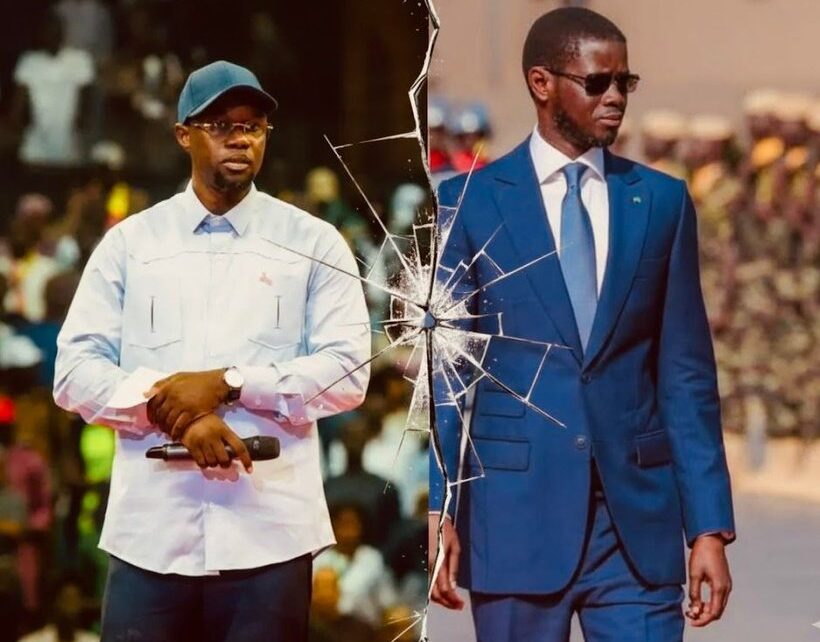
Internal debates within Senegal’s ruling Pastef party continue to intensify as some members push for President Bassirou Diomaye Faye’s potential removal. Party leader Ousmane Sonko has clarified that any such decision will follow the established internal protocols rather than personal considerations.
The Assembly President emphasized that the party operates through clearly defined procedures when addressing membership issues. “The timing and process will be determined by the relevant party structures,” Sonko stated, underscoring that decisions rest with the collective rather than individuals.
“The party isn’t run by me alone. The competent bodies will evaluate this matter when the time comes, following our established rules and examining any grievances before considering exclusion,” he explained.
Political rather than moral disputes dominate the conversation
Addressing accusations of “betrayal” against President Faye, Sonko firmly rejected moral judgments in favor of political analysis. He argued that the current disagreements stem from unfulfilled electoral promises rather than personal failings.
“Betrayal is an emotional concept. I choose to frame this as a political disagreement,” Sonko maintained. He pointed to what he sees as a systematic failure to implement key campaign commitments made to the Senegalese people.
“Today I observe that several promises we made to the Senegalese people remain unfulfilled, and there seems to be no genuine effort to implement them. The term ‘betrayal’ belongs in moral discussions,” the former Prime Minister concluded.
Ongoing power struggles within Senegal’s government
The recent statements come amid escalating tensions between various factions of Senegal’s ruling coalition. For weeks, Pastef members have openly criticized President Faye’s apparent deviation from the party’s original political vision that brought it to power.
Despite these growing concerns, Sonko continues to advocate for resolving the matter through internal party mechanisms rather than through abrupt decisions regarding the head of state.