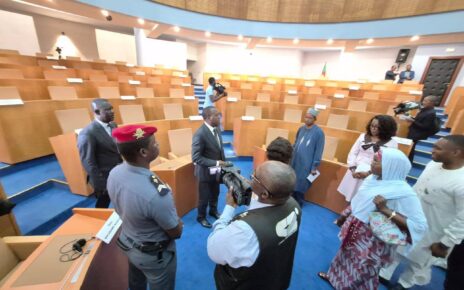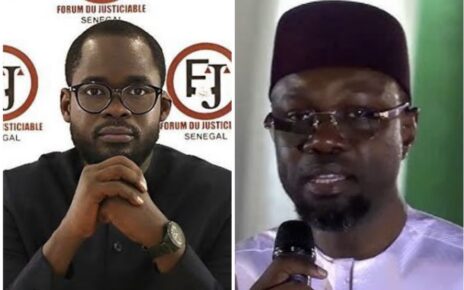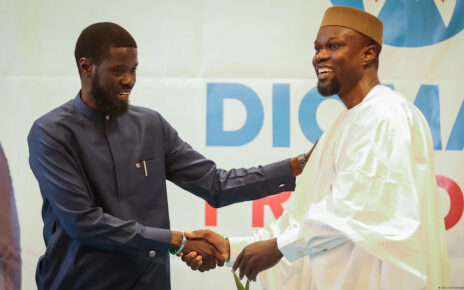
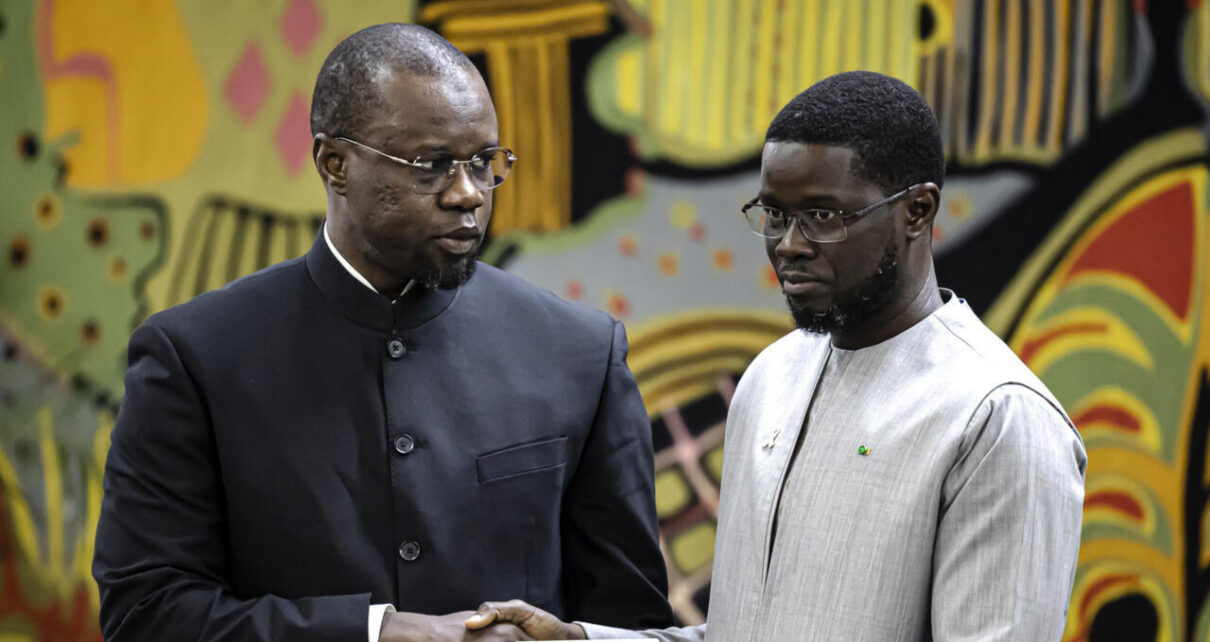
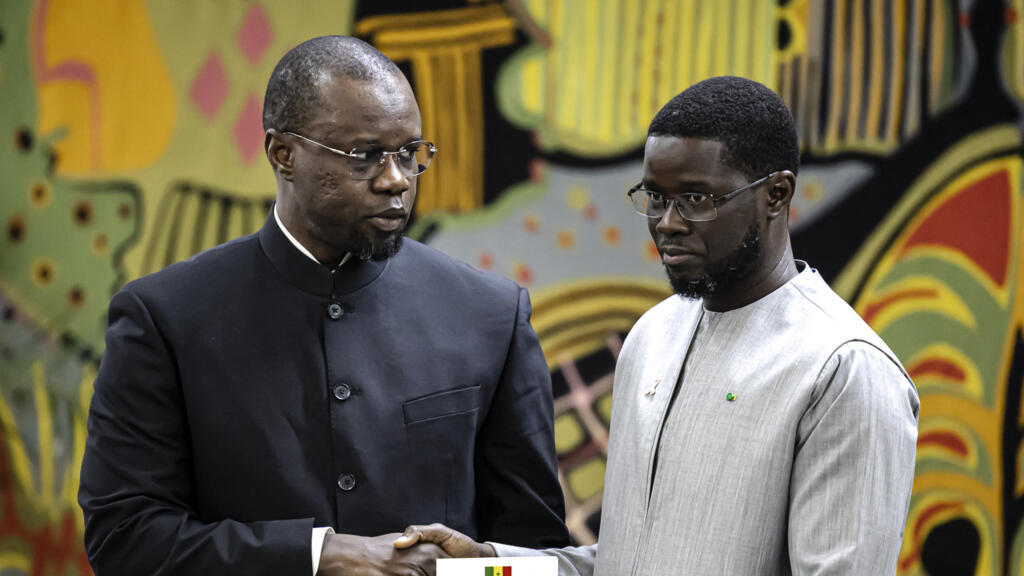
As Senegal navigates a pivotal phase in its political landscape, President Bassirou Diomaye Faye is laying the groundwork for a new chapter in his administration. The recent establishment of a presidential party and the Constitutional Council’s decision to invalidate a constitutional reform passed by the parliamentary majority of Pastef—led by Ousmane Sonko—has set the stage for intense debate across the nation.
Will this strategic maneuver succeed in bridging the divide with the opposition and winning over the Senegalese public? The coming months will be critical in determining the trajectory of the country’s political future.
Beyond Senegal’s borders, global tensions are escalating, particularly in the Middle East. A fresh wave of strikes and counterstrikes has intensified the conflict, with former U.S. President Donald Trump declaring the ceasefire officially “over.” His dismissal of negotiations with Tehran as a “waste of time” signals a potential escalation in military operations. The region now faces the looming threat of further conflict, raising concerns about stability and security.
Each week, African journalists and analysts dissect the most pressing issues shaping the continent and the world. Their insights provide a deeper understanding of the challenges and opportunities unfolding in regions far beyond Senegal’s shores.
This week’s panel features:
- Wuldath Mama, Beninese journalist specializing in international affairs
- Eric Topona, journalist from Chad contributing to Deutsche Welle’s Francophone Africa desk
- François Hiondi Nkam, veteran reporter and Economics Editor at Cameroon’s Le Jour newspaper