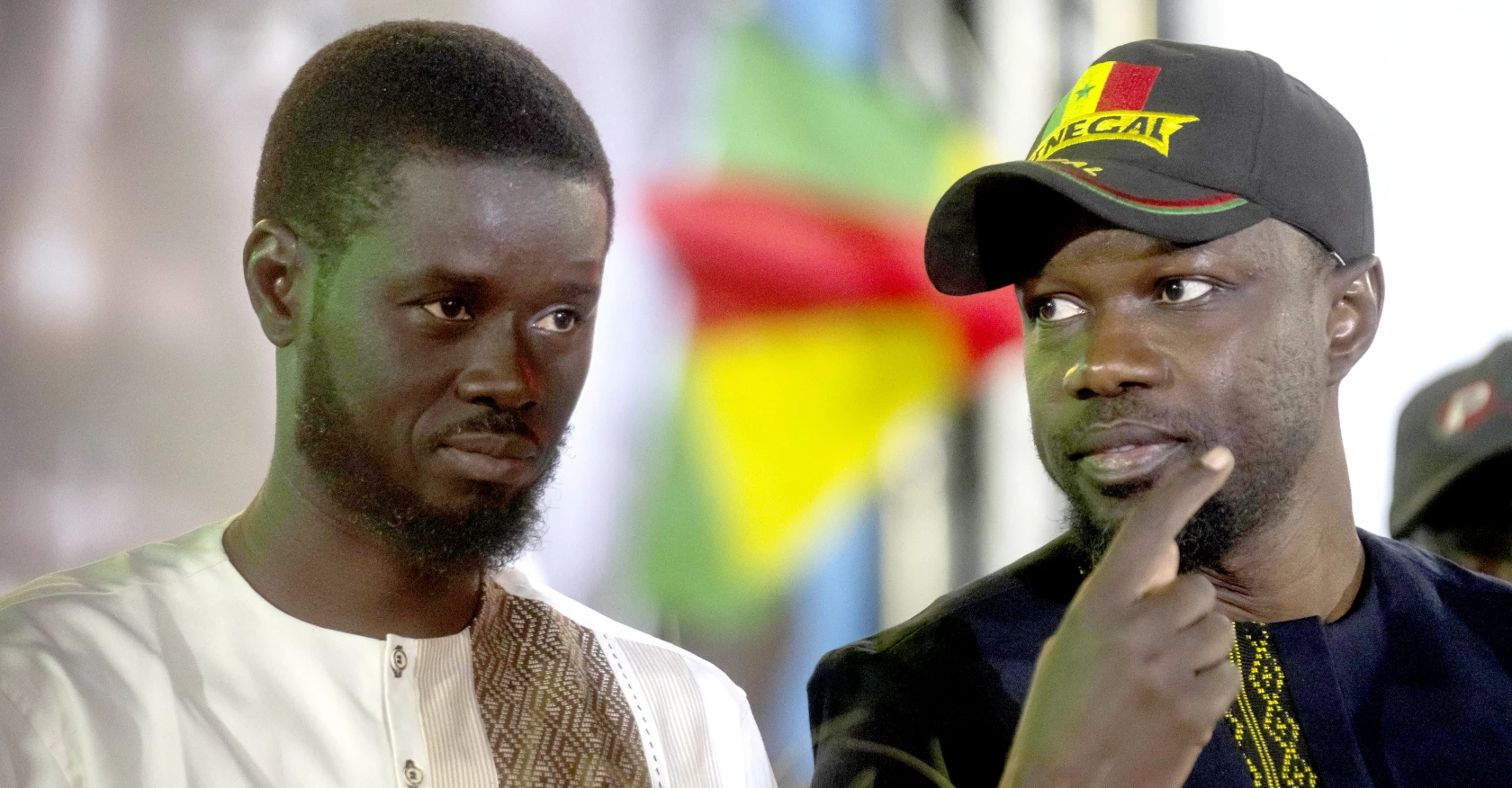
Senegal’s President Bassirou Diomaye Faye has taken a decisive step forward by announcing the creation of a new political party aimed at uniting all forces backing his leadership. The announcement came during a four-hour meeting with 306 mayors from Senegal’s 14 regions, all of whom are members of the Coalition Diomaye Président. This strategic move is designed to formalize and strengthen the president’s political support base as the dynamics of power at the highest levels of government continue to shift.
To implement this initiative, President Faye has tasked Aminata Touré, the General Supervisor of the Coalition Diomaye Président, with establishing a dedicated committee. The committee’s mission is to develop the organizational and statutory foundations of the new party in the shortest possible timeframe. The coalition’s official statement frames this effort as a logical progression in its commitment, emphasizing the need for an “organic unity” centered around the head of state in anticipation of upcoming electoral challenges.
During the gathering, local officials reaffirmed their unwavering support for the president’s agenda, particularly praising his commitment to enhancing territorial equity. They highlighted how he places local governments at the heart of public policy, ensuring that development priorities align with the needs of communities across the country.
The formation of this new political structure arrives at a critical juncture marked by a widening rift between President Faye and his former ally, Ousmane Sonko. Sonko, who stepped down as Prime Minister in May 2026, currently serves as President of the National Assembly, where he maintains significant influence through his parliamentary majority.
Their growing divide has come into sharp focus following the adoption of a constitutional reform bill by lawmakers on June 29. The proposed changes include prohibiting the president from simultaneously leading a political party, transforming the Constitutional Council into a Constitutional Court, and expanding the Parliament’s powers. The disagreement between the two leaders now centers on how the reform should be finalized. While Sonko advocates for direct promulgation by the president, citing legal precedents, Faye insists on holding a referendum to allow citizens to weigh in directly, though no date has been set for such a vote.