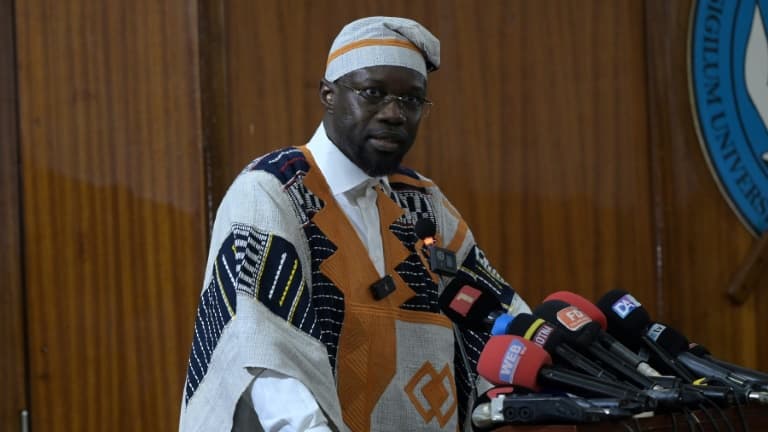
Senegal’s prime minister condemns western ‘imposed’ homosexuality agenda
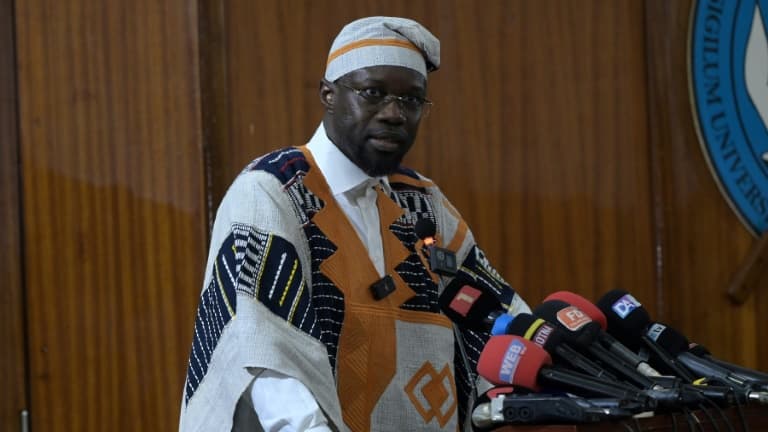
In early March, Senegal passed a sweeping amendment to its penal code, doubling the prison sentences for same-sex relations to five to ten years. The controversial legislation was signed into law by President Bassirou Diomaye Faye on March 31, sparking intense debate both domestically and abroad.
During a heated address to lawmakers on May 22, Prime Minister Ousmane Sonko forcefully rejected Western criticism of the law, labeling it an attempt to “impose homosexuality” on the rest of the world. He described the pressure from Western nations as “a form of tyranny,” asserting that Western countries, despite their internal divisions on the issue, seek to export their values globally through media dominance and financial leverage.
“The West wields outsized influence, despite lacking a unified stance on this matter. They possess the means to shape narratives and control discourse, and they are attempting to impose their will on eight billion people worldwide,” Sonko declared. “On what authority do they believe they can dictate moral standards to the rest of the globe?”
He went on to dismiss international condemnation, particularly from France, where a vocal segment has championed LGBTQ+ rights. “If certain countries have chosen to embrace these practices, that is their sovereign decision. But we categorically refuse to accept their moral lectures,” he stated.
The Prime Minister emphasized that no Asian, African, or Arab nation has publicly criticized Senegal’s stance. “Should the law require further strengthening, it will be strengthened,” he warned. Sonko called on the judiciary to ensure the law is applied “fully, impartially, and flawlessly,” framing its primary objective as curbing the spread of homosexuality in the country.
No room for compromise on the law
Sonko also firmly dismissed calls for a moratorium on the law’s enforcement, a demand made in a mid-May op-ed by a collective of thirty prominent African figures published in a French newspaper. The authors of the piece cited rising homophobia, fear, and violence in Senegal following the law’s passage as justification for their appeal.
“There will be no moratorium. Some of our elites suffer from inferiority complexes,” Sonko retorted. He accused these critics of being swayed by foreign influence rather than representing the will of the Senegalese people.
The new legislation reflects a long-standing pledge by the ruling party, resonating strongly with the country’s predominantly Muslim population where same-sex relations are widely viewed as culturally and religiously unacceptable. The government has framed the law as a necessary measure to preserve Senegalese values and social cohesion.