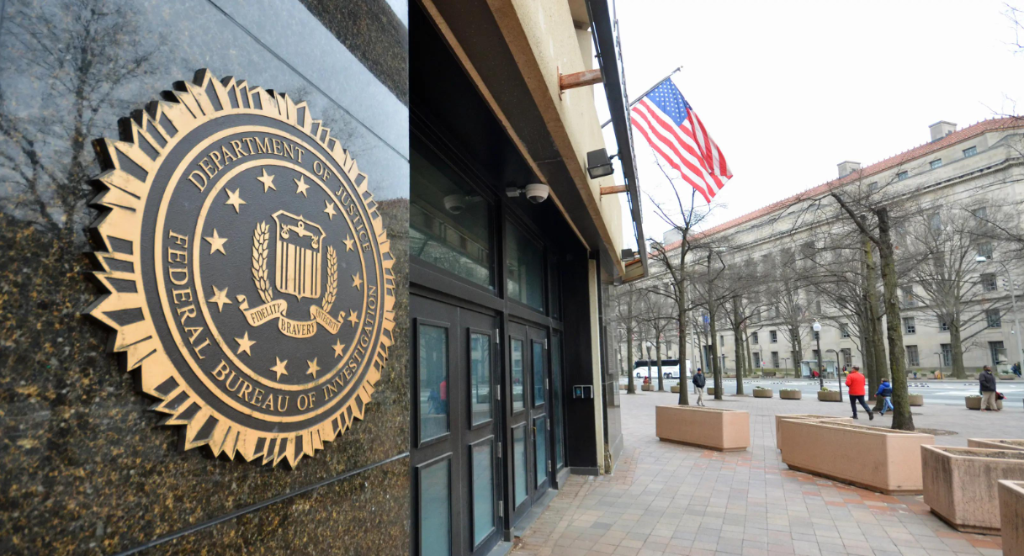
Why Côte d’Ivoire invited the FBI into its financial crime unit
When rumors surfaced in Ivorian media about a potential corruption scandal within the Abidjan-based Pôle pénal économique et financier (PPEF), the country’s justice minister, Jean Sansan Kambilé, stepped forward to clarify the situation. The real reason behind the FBI’s presence in this specialized economic court wasn’t an investigation targeting Ivorian magistrates—but a joint mission to dismantle cybercrime and money laundering networks operating from Ivorian soil. The question now is whether this collaboration outweighs concerns about national judicial sovereignty.
Cybercrime at the heart of the collaboration
The Ivorian-US partnership centers on two major global threats: sextortion and money laundering. Sextortion—blackmailing victims using private or intimate images or videos—has surged with the rise of social media manipulation. Fraudsters create fake profiles, build trust over time, then demand payment under threat of exposing sensitive content. Shockingly, some American victims have reportedly been driven to suicide by the psychological trauma of these crimes.
The FBI’s deployment came after multiple cases surfaced where Ivorian-based operators targeted victims in the United States. According to Minister Kambilé, this cooperation has already proven effective, leading to the arrest and prosecution of nearly a dozen suspects. The question remains: how deep does this foreign involvement go in Côte d’Ivoire’s judicial system?
Inside the Ivorian-American Task Force: what it does and who’s involved
The heart of this cross-border effort is the Ivorian-US Task Force, a collaborative unit that includes magistrates from Côte d’Ivoire’s PPEF, American prosecutors, and FBI agents. While the official narrative focuses on fighting financial crime, it raises a critical strategic question: to what extent can foreign agents operate within a national court system?
The Framework of the collaboration:
- Limited authority: FBI agents do not possess independent judicial powers on Ivorian soil—they support, advise, and assist local authorities during investigations.
- Joint operations: They participate in raids, interrogations, and evidence collection but under the supervision of Ivorian judicial officials.
- Focus of missions: Primary targets include cybercrime syndicates involved in sextortion, human trafficking, and transnational financial fraud.
- Legal transparency: All actions must comply with Ivorian law, with accountability resting with domestic prosecutors.
Minister Kambilé emphasized that this model has already yielded results—with arrests and convictions in multiple cases. The partnership has also contributed to Côte d’Ivoire’s recent removal from the Financial Action Task Force (FATF) grey list, a key milestone in improving the country’s financial compliance standards.
Cybercrime vs. Corruption: clearing the confusion
Public skepticism grew in late 2026 when media reports suggested a corruption network within the PPEF, fueled by FBI intelligence. Authorities quickly dismissed these claims as unfounded, stressing that the FBI’s involvement is strictly related to international cybercrime—not domestic judicial corruption.
The Ministry of Justice issued a categorical denial, stating:
No foreign agency has initiated or directed an investigation into magistrates at the PPEF. The cooperation with the United States remains solely focused on dismantling criminal networks and strengthening financial oversight.
This clarification underlines a deeper question facing many African nations: how to balance international security partnerships with the protection of national sovereignty?
The presence of foreign agents in domestic judicial institutions challenges long-standing principles of judicial independence. Yet, with cybercriminals operating across borders, traditional investigative methods often fall short. The debate now centers on whether this model offers a sustainable solution without compromising sovereignty.
What’s next: sovereignty, trust, and the future of cross-border justice
As Côte d’Ivoire continues to clamp down on financial crime and cyber threats, the long-term implications of this partnership must be carefully considered. Key areas of concern include:
- Judicial oversight: How much autonomy do foreign agents truly have when operating within local courts?
- Public trust: Will citizens accept a system where foreign investigators play a role in domestic prosecutions?
- Legal clarity: What legal frameworks govern the Task Force’s operations, and how are they enforced?
- Regional impact: Could this model inspire similar collaborations in neighboring countries like Burkina Faso or Mali? Or does it risk setting a precedent that compromises regional judicial independence?
For now, the government defends the partnership as a necessary evil—a pragmatic response to a growing global threat. But the debate is far from settled. While arrests and convictions have validated the approach, the broader question lingers: how much foreign influence is too much?
The future of Côte d’Ivoire’s justice system may well depend on finding the right balance between international cooperation and national authority.