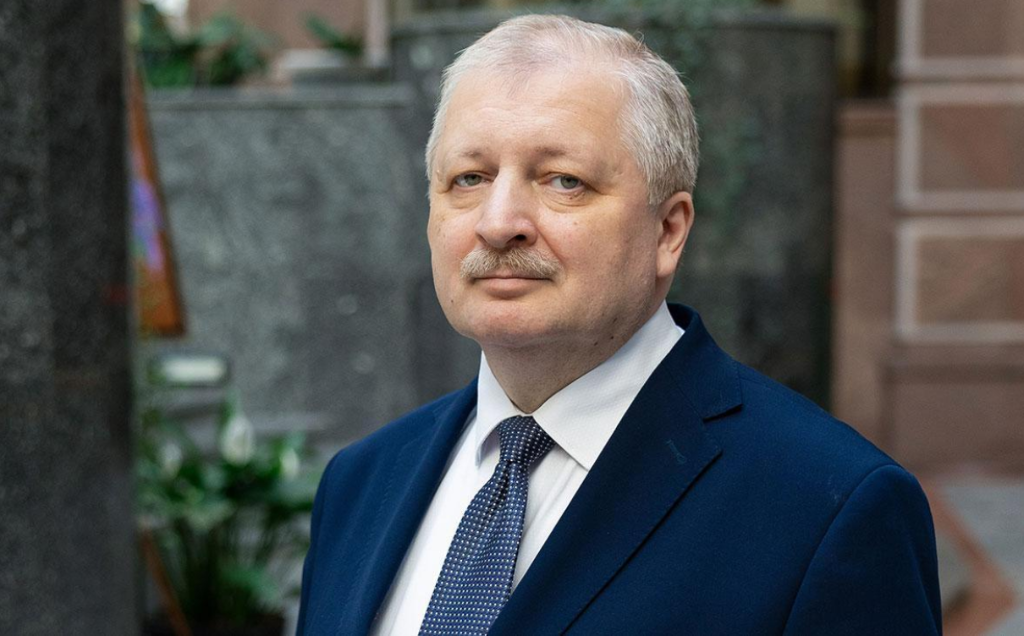
The sudden death of Alexei Dobrynin, Russia’s ambassador to the United States since March 2025, has sent shockwaves through international diplomacy. At 66, the seasoned diplomat left behind a legacy deeply intertwined with Russo-American relations during one of the most volatile periods in decades. His departure raises a pressing question: what comes next for Moscow’s diplomatic mission in Washington?
Who was Alexei Dobrynin, and why did his role matter?
Dobrynin wasn’t just another diplomat—he was a strategic asset with over three decades of experience navigating the complexities of North American politics. Before taking up his post in the U.S., he served as Russia’s ambassador to Canada from 2014 to 2021 and held key roles at the Russian Ministry of Foreign Affairs, specializing in U.S. affairs.
His deep understanding of American political structures made him a crucial figure in the Kremlin’s efforts to maintain—or revive—channels of communication with Washington, even as relations remained strained over the Ukraine conflict, economic sanctions, and broader geopolitical rivalry.
A critical moment for Russo-American relations
When Dobrynin arrived in Washington, the diplomatic landscape was already fraught with tension. The resumption of dialogue between Vladimir Putin and Donald Trump had sparked cautious optimism, but underlying disagreements persisted. The ambassador’s role was to mitigate these frictions while advancing Moscow’s interests in a high-stakes environment.
His sudden death shines a spotlight on the fragility of diplomatic missions, even in times of severe political estrangement. Embassies serve as vital lifelines when direct communication breaks down, offering a platform for negotiation and crisis management. For Russia, the Washington embassy is particularly vital—it’s one of the few conduits through which the Kremlin can shape perceptions in the heart of American decision-making.
Unanswered questions surround his death
The initial announcement from Moscow’s foreign ministry offered little clarity, merely confirming Dobrynin’s death without details on the cause or location. This lack of transparency fueled speculation, a natural consequence in today’s hyper-connected yet often opaque geopolitical climate.
Subsequent statements from Maria Zakharova, Russia’s foreign ministry spokesperson, clarified that Dobrynin had passed away in Moscow due to an unspecified chronic illness. Without further medical disclosure, the official explanation stands, though it leaves room for broader curiosity about the circumstances.
No evidence of foul play, but implications remain
As matters stand, there’s no public indication that his death was anything other than a tragic, health-related event. Yet in an era where espionage suspicions and diplomatic intrigue often dominate headlines, even the most straightforward explanations can feel incomplete. Dobrynin’s absence will inevitably prompt questions about how Moscow adapts to such an abrupt leadership vacuum.
The road ahead for Russia’s diplomatic presence in the U.S.
For now, Russia’s foreign ministry has signaled continuity, with temporary arrangements in place to oversee embassy operations in Washington. The appointment of a successor, however, will be closely watched—not just for who fills the role, but for what it reveals about the Kremlin’s priorities in its dealings with America.
Will Moscow double down on dialogue, or will it recalibrate its approach in light of recent challenges? Dobrynin’s death arrives at a crossroads where every decision carries outsized weight. In an era where global stability hinges on the ability of nations to maintain fragile lines of communication, the loss of a seasoned diplomat is more than a personal tragedy—it’s a strategic setback.
As the world watches, one thing is certain: the absence of Alexei Dobrynin will be felt in corridors of power on both sides of the Atlantic.