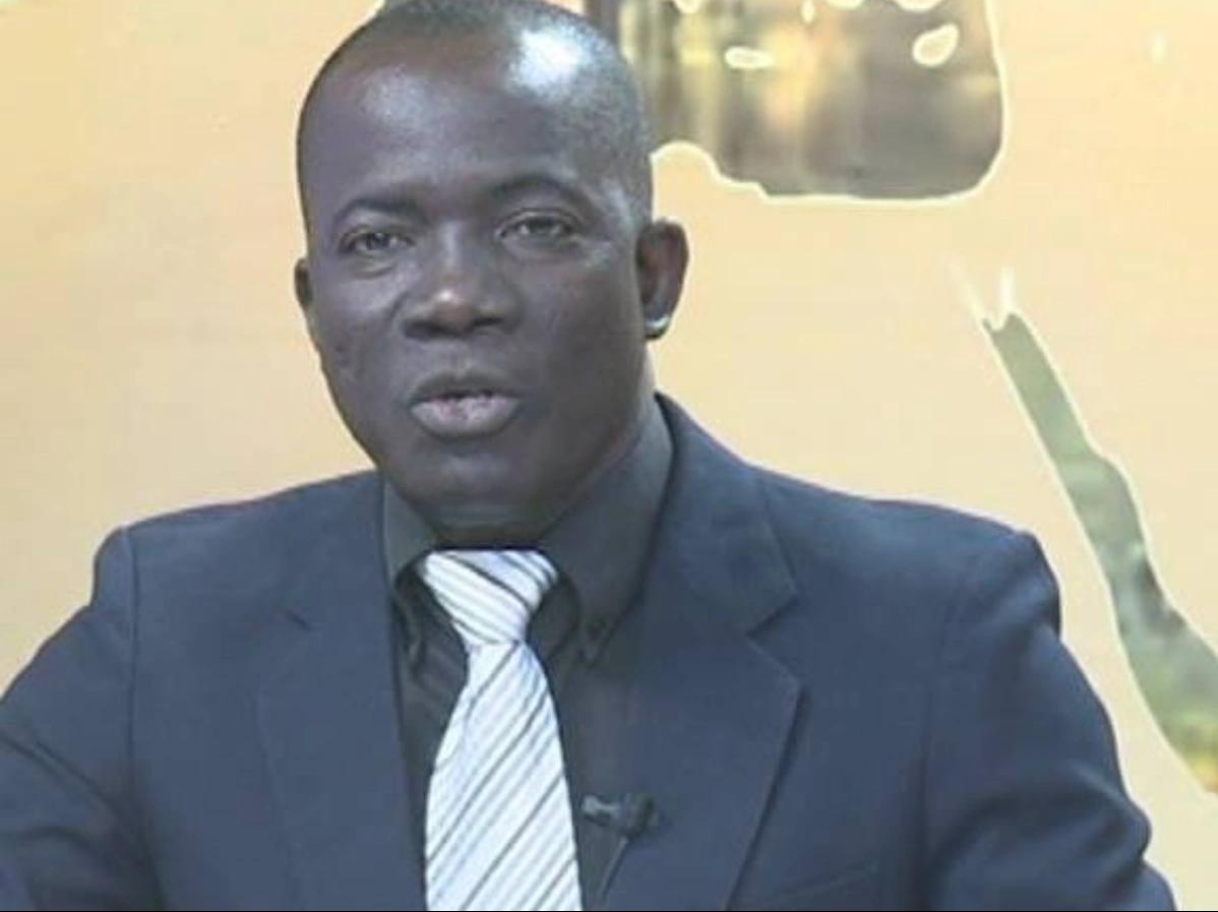
After spending more than two years behind bars in Niger on charges of endangering state security, journalist Serge Mathurin Adou was finally released on November 11, 2026. While his family and colleagues welcome this long-awaited step, it comes at a time when the country’s media freedom is under unprecedented strain following the coup led by General Abdourahamane Tiani on July 26, 2023.
From disappearance to detention: a case shrouded in secrecy
Serge Mathurin Adou, a Niamey-based journalist of Nigerien-Ivorian dual citizenship working for private broadcaster Canal 3 Niger, vanished on September 1, 2024, just hours after telling his wife he had to report to judicial police headquarters. Weeks passed before authorities confirmed his detention. His case then took a surprising turn when, on September 23, 2024, Burkina Faso’s security minister Mahamadou Sana publicly listed him among fifteen individuals allegedly involved in a planned destabilization of Captain Ibrahim Traoré’s government.
Back in Niamey, prosecutors wasted no time. By November 11, 2024, Adou was formally charged with undermining state security. A year later, on November 21, 2025, the Niamey Court of First Instance sentenced him to two years in prison—a sentence far below the twenty-year term prosecutors had demanded.
Legal guarantees or arbitrary justice?
The swiftness of his prosecution and the severity of the initial charge raised immediate concerns about judicial impartiality. Legal experts and defenders of press freedom questioned whether due process was respected, especially in a climate where national security cases are increasingly prioritized over fundamental rights. The case also highlighted how easily a foreign journalist in Niger could become entangled in transnational disputes between regional governments.
Adou’s eventual release does little to dispel the broader anxieties gripping Niger’s media sector. Many professionals now operate under constant suspicion, knowing that a single report or public statement could lead to criminal charges or forced suspension.
Rising tide of media restrictions since the 2023 coup
The military takeover in 2023 marked the beginning of a new era of censorship for Nigerien journalists. Independent investigations into governance, security issues, or human rights violations are increasingly treated as threats to national stability. Since July 2023, numerous journalists have faced arrest, media outlets have been shut down, and self-censorship has become commonplace.
Cases such as those of Samira Sabou, Ousmane Toudou, and Soumana Maïga have become symbols of the shrinking space for critical journalism. These arrests not only silence individual voices but also send a chilling message to entire newsrooms.
The clampdown extends beyond individuals. In early 2024, authorities suspended the Maison de la Presse, a key professional body representing media workers. Several international outlets, including Radio France Internationale and France 24, were also temporarily banned, further isolating Niger’s information landscape from global perspectives.
Niger’s plummeting press freedom ranking
Reporters Without Borders’ 2026 World Press Freedom Index confirms the severity of the situation. Niger dropped 37 places in a single year—from 83rd in 2025 to 120th in 2026—placing it among the most repressive environments for journalism in West Africa. The organization explicitly links this decline to the post-coup environment, citing economic pressure on media organizations, political interference, and heightened legal risks for reporters.
This fall is not just a statistical concern. It reflects a broader struggle for Nigerien citizens to access reliable, pluralistic information—especially on matters of governance, security, and human rights.
Freedom for one, freedom for all?
Adou’s release is a personal relief for his loved ones and a rare win for the embattled media community. Yet it cannot be mistaken for a turning point in Niger’s broader fight for press freedom. With dozens of journalists still facing prosecution and numerous outlets operating under restrictions, the profession remains under siege.
National security cannot justify the abandonment of constitutional rights. In a country facing complex regional challenges, a free press is not an adversary—it is a pillar of democratic resilience. Without it, citizens are left in the dark, and institutions lose a crucial check on power.
Serge Mathurin Adou is finally home. But for Niger’s journalists to truly breathe freely once more, the path forward must prioritize justice, transparency, and the restoration of fundamental liberties.