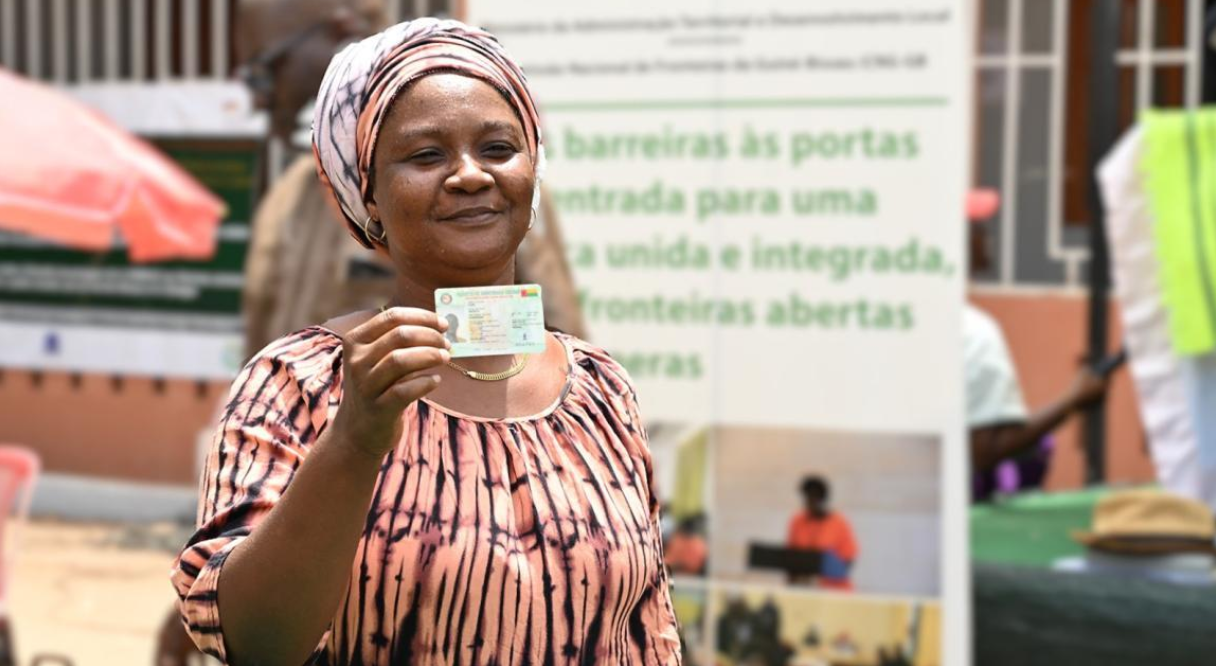
The fate of seamless travel across West Africa hinges on one critical question: starting January 1, 2027, will the ECOWAS biometric ID card truly become the region’s unified passport? This milestone, approved at a high-level immigration summit, promises to simplify borders—but only if national systems are ready.
From proposal to passport: the ENBIC 2.0 transition
During a pivotal gathering in Freetown on November 3–4, 2026, immigration chiefs from ECOWAS member states endorsed the “Freetown Declaration,” elevating the ECOWAS National Biometric Identity Card (ENBIC) to the status of an official regional travel document. Every valid ENBIC issued by a member country will be accepted at official border crossings as proof of identity and citizenship, even if that country has not yet completed full domestic deployment.
Removing the visa wall
The move gives concrete life to the 1979 ECOWAS protocol guaranteeing free movement within the bloc. For decades, citizens have traveled without a visa, yet relied on outdated paper travel certificates. Now, a single smart card promises to replace them all—streamlining checks without sacrificing security.
Can nations close the readiness gap?
Implementation is where the rubber meets the road. Immigration agencies must draft unified procedures, train frontline officers, and install verification terminals capable of authenticating cards issued abroad. The ECOWAS Commission is tasked with fast-tracking common technical standards and a regional verification platform.
Member states must submit detailed national rollout timelines by December 2030. Until then, the risk remains that uneven execution—extra fees, inconsistent checks, or missing equipment—could dilute the promise of simpler journeys.
Who gains the most?
- Cross-border traders shaving hours off border queues;
- Transport operators reducing paperwork delays;
- Families reuniting without six-month embassy waits;
- Students accessing neighboring universities with a single card;
- Informal economies flourishing with faster supply chains.
Security vs. speed: partners, not rivals
Some skeptics fear that faster travel could weaken border safety. Yet ECOWAS leaders insist the two goals are complementary. A standardized biometric chip shared across the region makes it easier to detect fraud while removing bottlenecks. The Freetown Declaration signals that member states see no contradiction between openness and oversight.
Testing the promise
Come January 1, 2027, the true measure of success won’t be official recognition—it will be lived experience. When the first Nigerian trucker crosses into Togo without exchanging cash or waiting for stamps, when the Ghanaian student enters Benin with a single scan, then—and only then—will the card fulfill its mission. Until then, the region holds its breath.