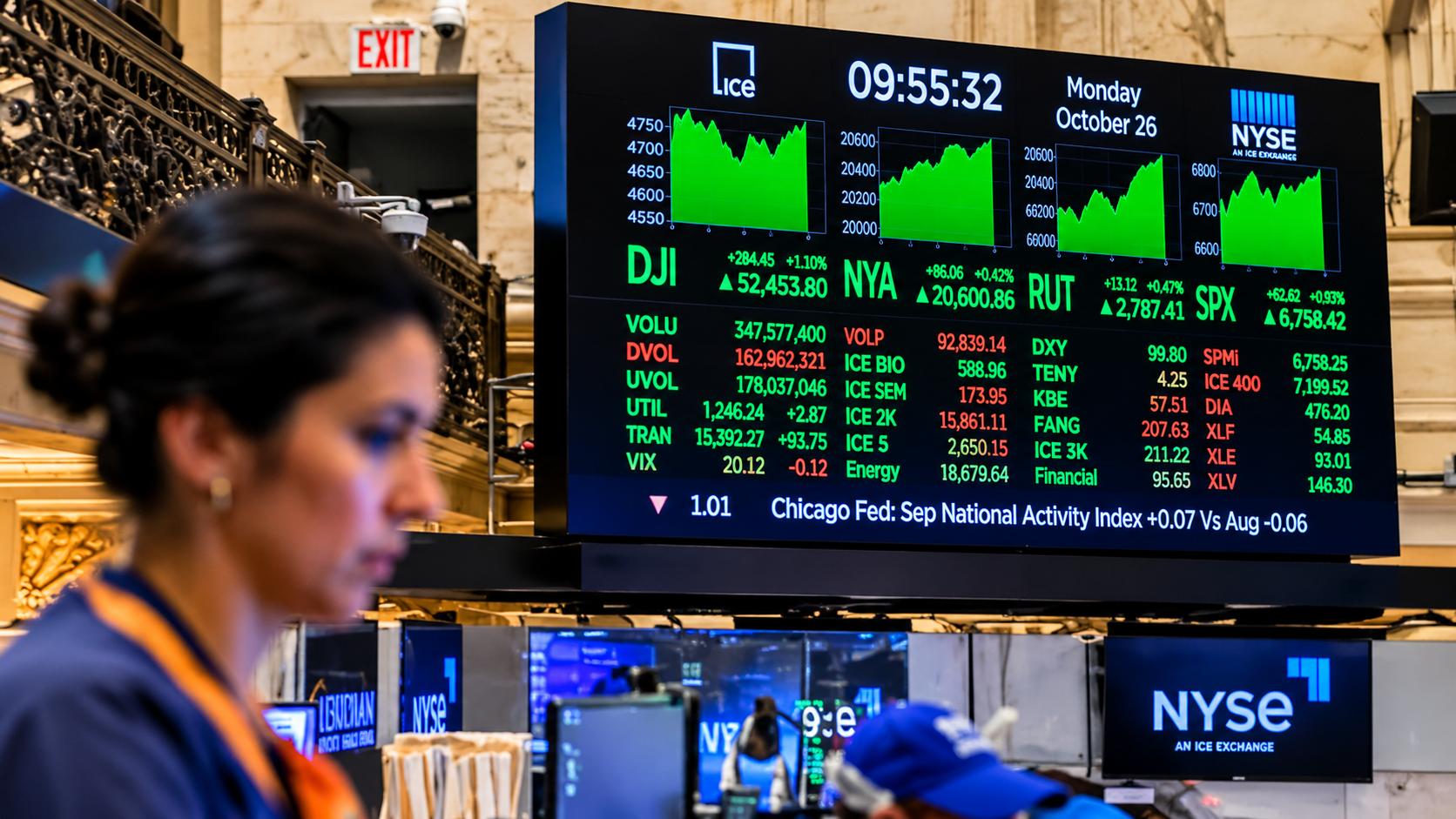
The Nasdaq Composite just experienced one of the most violent sell-offs in nearly two years, with the tech and semiconductor sectors alone losing over $2.5 trillion in market value. This unprecedented wipeout sent tremors across global financial markets, exposing deep vulnerabilities in the pillars that have supported Wall Street’s decade-long growth.
How the Nasdaq’s freefall exposes systemic weaknesses
The Nasdaq’s dive wasn’t a typical market pullback—it was a full-blown collapse fueled by panic. The index, once the crown jewel for growth investors, faced a historic exodus of institutional capital. But what ignited this sudden flight? At the core of the storm lies a single sector: artificial intelligence, the very engine that has fueled Wall Street’s rally for years.
AI sector’s top players bear the brunt of the collapse
The promises of AI-driven profitability are now clashing with market realities. Major players in the sector faced devastating losses:
- Nvidia, the undisputed leader in GPU-based AI, saw its stock plummet between 7 % and 11 % in a single trading session, erasing tens of billions in shareholder wealth.
- AMD and Broadcom also suffered, with declines ranging from 8 % to 19 %, signaling a sharp erosion of investor confidence.
- Memory and storage companies—Micron, Western Digital, SanDisk—experienced even steeper drops, up to 22 %, highlighting a rapid retreat from data center supply chains.
The Philadelphia Semiconductor Index (SOX), a critical barometer for chip demand, nosedived over 12 %, erasing months of gains in a single day.
Global spillover: The domino effect across markets
The sell-off didn’t stop at U.S. borders. Financial markets worldwide unraveled as the crisis cascaded across continents:
- S&P 500: Plunged over 4 %, marking its worst single-day performance of the year.
- Dow Jones Industrial Average: Dropped more than 3.5 %, dragged down by both tech and industrial heavyweights.
- VIX Index: The infamously volatile