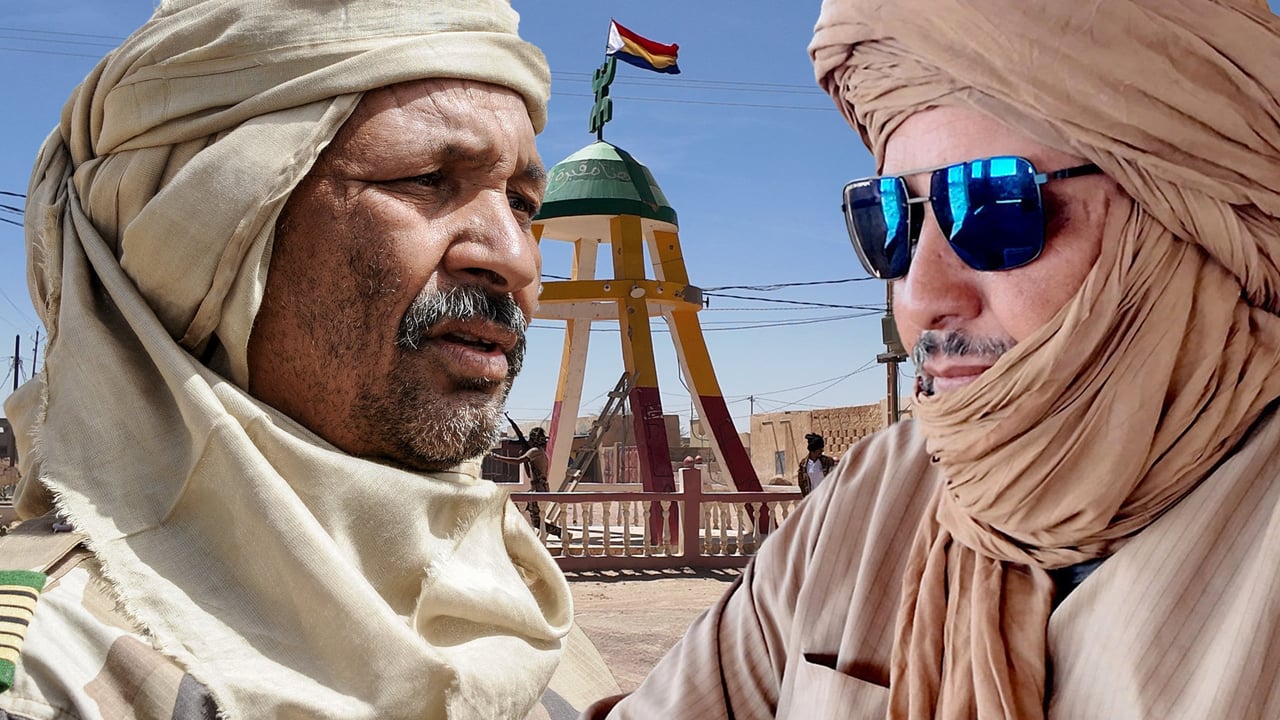

In the heart of Mali’s northern reaches, the strategic city of Kidal remains a focal point of intense power struggles, deeply rooted in Tuareg politics. A palpable tension hung in the air on May 4, 2026, as two prominent figures, El Hadj Ag Gamou and Alghabass Ag Intallah, were observed at a key roundabout in Kidal. Surrounded by combatants from the Forces Libres de l’Azawad (FLA), their presence underscored the complex and often contentious dynamics shaping the region’s future.
The encounter between Gamou and Alghabass, representing distinct factions within the Tuareg community, highlights a long-standing rivalry for influence and control over Kidal. This city, historically significant to the Tuareg people, has frequently been at the center of various uprisings and peace accords in West Africa. The ongoing contest between these leaders is a critical aspect of Sahel politics, reflecting deeper divisions and aspirations within the broader Tuareg movement in Mali.
Observers of the Sahel analysis English scene often point to Kidal as a barometer for stability in northern Mali. The intricate dance of alliances and power plays involving figures like Gamou and Alghabass continues to shape the security landscape, impacting not only local communities but also broader regional efforts towards peace. The moment captured on that May afternoon in Kidal serves as a vivid reminder of the persistent challenges in forging a unified path forward for Mali and the wider Sahel region.