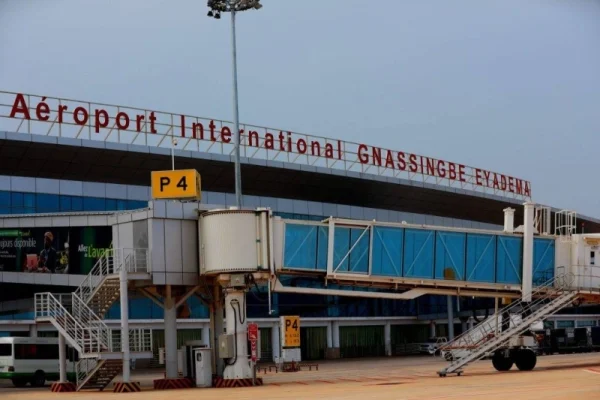
Lomé played host to a striking paradox last week during the third edition of Biashara Afrika, Africa’s premier business forum. While delegates gathered to celebrate the African Continental Free Trade Area (AfCFTA), a glaring contradiction unfolded on the tarmac of Gnassingbé Eyadéma International Airport, exposing the fragile foundations of regional integration.
What was meant to be a showcase of economic unity and borderless commerce turned into a real-time lesson in bureaucratic absurdity. Two high-profile investors—one from Nigeria, the other from Ghana—arrived in Lomé eager to explore new opportunities. Their only mistake? Presenting African passports within the Economic Community of West African States (ECOWAS), a bloc that has championed free movement since the 1970s.
When African passports fail at home
The response from Togolese border officials was swift and uncompromising: entry denied. To step onto Togolese soil, both business leaders were forced to revert to Plan B—producing their European passports and securing a 24-hour visa. The message was clear: within the continent, the African passport does not guarantee passage.
Dr. Jumoke Oduwole, Nigeria’s Minister of Industry, Trade and Investment, who witnessed the episode, delivered a blunt assessment: “One of those investors—a financial services executive—told me he would reconsider investing in Togo. We hadn’t even left the airport, and his decision was already made. Imagine if a European investor were forced to apply for a visa using an African passport within the EU. It simply wouldn’t happen.”
That such a scenario unfolded in 2026 underscores a painful truth: for decades, Africans have accepted visa restrictions as routine, but for foreign investors, the double standard is unacceptable. If the path to economic opportunity in Africa requires a European passport, then the promise of the AfCFTA rings hollow.
Bureaucracy vs. integration: the tipping point
The incident has laid bare a critical flaw in Togo’s ambition to position itself as a regional logistics and financial hub. Visa restrictions on neighboring Africans don’t just inconvenience travelers—they repel investment. The irony was not lost on delegates: a foreign investor gains faster entry with a European passport than with an ECOWAS one. The message to the continent was unmistakable: the AfCFTA’s vision of seamless trade remains trapped in red tape.
Forty-eight hours to salvage credibility
Faced with global scrutiny and the potential reputational damage of Biashara Afrika, Togolese President Faure Gnassingbé took an unprecedented step. Rejecting the usual slow-moving committees and prolonged inquiries, he issued a direct order: his Minister of Security had 48 hours to resolve the border anomaly.
By Wednesday—coinciding with the forum’s closing ceremony—the clock will run out. The challenge is clear: retrain immigration officials, streamline entry procedures, and align national practices with the spirit of ECOWAS and the AfCFTA. The stakes are high. A single misplaced stamp should not derail billions in potential investment.
The AfCFTA’s Achilles’ heel: borders that choke growth
“This incident is a wake-up call,” remarked an Ivorian economist at the forum. “Without free movement of people, the AfCFTA is just a hollow shell.” A Ghanaian entrepreneur added, “If we must wave a European passport to invest in Africa, then integration is nothing but a slogan.”
The affair reveals a deeper contradiction: the AfCFTA promises a single market of 1.4 billion consumers and a combined GDP of $3.4 trillion, yet its credibility is undermined by administrative inertia. The path forward demands harmonized visa policies, digitized border procedures, and above all, political will to turn pledges into practice. At Biashara Afrika, Africa learned that a poorly stamped document can cost millions in lost investment—and that the road to unity begins at home.