urgent diplomatic shifts between AES and ECOWAS in west africa
As West Africa grapples with pressing security threats and shared economic vulnerabilities, fresh diplomatic momentum is building to restore dialogue between the Economic Community of West African States (ECOWAS) and the Alliance of Sahel States (AES). A pragmatic approach is taking shape to bridge divides while addressing the region’s most urgent challenges.
- Politics

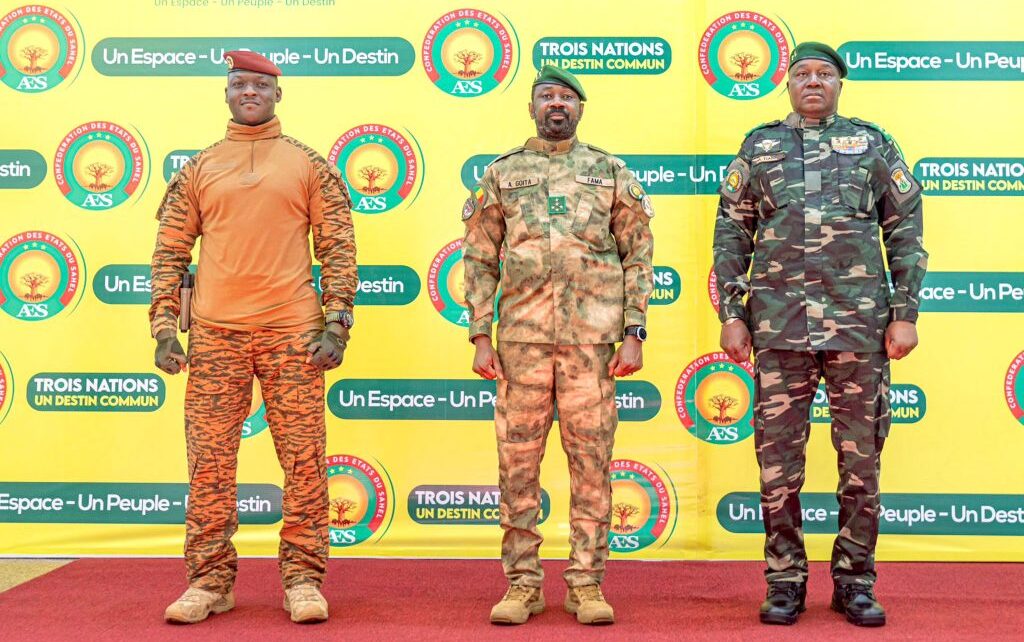
Across West Africa, renewed diplomatic efforts are unfolding to rebuild bridges between ECOWAS nations and members of the AES—comprising Mali, Burkina Faso, and Niger. At the heart of these behind-the-scenes maneuvers lies a shared recognition: the need for coordinated action against escalating security threats while laying groundwork for future collaboration. But achieving this requires navigating complex political sensitivities, including lingering tensions over the AES’s withdrawal from ECOWAS and heated rhetoric that has fueled regional divisions. The goal is clear—set aside grievances and focus on mutual threats before they outpace the region’s capacity to respond.
The Ivorian government signals openness to cooperation
One of the most telling signs of progress comes from Côte d’Ivoire, where Defense Minister Tene Birahima Ouattara recently underscored his country’s readiness to resume security cooperation with Mali and Burkina Faso. Speaking on June 15, he emphasized that defeating terrorism in its current form demands collective action. “Terrorism cannot be defeated by a single state,” he noted, adding that pooling resources is essential to countering the menace. His remarks carry weight at a time when regional observers warn that unchecked insecurity could soon spiral beyond control, threatening stability across the Sahel.
Will Bamako and Ouagadougou respond?
Despite Côte d’Ivoire’s overture, the path forward remains uncertain. While Malian and Burkinabe leaders acknowledge that their break with ECOWAS does not preclude bilateral cooperation, a sudden shift in tone toward Abidjan appears unlikely. Côte d’Ivoire has repeatedly faced accusations—unfounded but persistent—of harboring terrorist elements allegedly backed by external powers. These claims, though never substantiated, have become a cornerstone of the AES narrative since its withdrawal from ECOWAS following coups in each member state. Ironically, despite strained relations, Côte d’Ivoire continues to provide refuge to thousands of Malian and Burkinabe nationals fleeing conflict and instability.
A thaw between Benin and Niger
Benin, too, has found itself entangled in this web of accusations, particularly from Niger’s military leadership. Yet, with President Romuald Wadagni’s recent inauguration on May 24, a fresh effort has emerged to mend fences. The most tangible step so far: reopening the Benin-Niger border, closed since Niamey’s July 2023 coup, which had deepened a personal rift between the two countries’ former leaders.
On June 20 and 21, technical teams from both nations convened in Cotonou to draft frameworks for renewed cooperation, prioritizing security, defense, and border management. Niger’s delegation raised concerns over alleged foreign military presence along the shared frontier—a recurring allegation from Niamey accusing Benin of hosting a “French military base” intended to destabilize Niger or finance terrorism. Such claims defy logic, given Benin’s own status as a victim of insurgent violence. These narratives, now routine in AES discourse, reflect the challenges of restoring trust in a region where governance deficits persist.
For Niger’s Interior Minister Mohamed Toumba, the shift is transformative. “By choosing dialogue over confrontation, we are creating value for our economies and security for our people,” he stated. Both nations recognize that shared destinies demand pragmatic solutions. The Benin-Niger rapprochement may well serve as a model for how West African states can reconcile security imperatives with economic interdependence in an era of renewed realism.
Building endogenous solutions
As momentum grows for restoring regional cohesion, the focus is shifting toward endogenous responses to the Sahel’s crisis. This aligns with calls from international partners, including last year’s appeal by UN Secretary-General António Guterres for inclusive dialogue across West Africa. In December 2025, Russia—an influential ally of AES states—publicly advocated for pragmatic engagement between ECOWAS and the Alliance, urging joint solutions to regional threats, including terrorism. The message is clear: Africans must lead the charge in crafting effective responses to their own challenges.
Bilateral engagements are already underway. Countries like Ghana, Guinea, Togo, and Senegal have maintained channels with AES states despite the formal split. Even after withdrawing from ECOWAS, AES members remain within the West African Economic and Monetary Union (WAEMU) and continue to benefit from free movement within the bloc. This paradox raises a fundamental question: was the rupture from ECOWAS justified, or does it now risk undermining collective progress? The original dispute centered on ECOWAS’s condemnation of coups in AES states and their refusal to restore constitutional order. In many ways, the rift resembles an incomplete or artificial separation—one that may now need reevaluation.