Félix Tshisekedi has now committed to organizing an inclusive national dialogue in the Democratic Republic of Congo (DRC), following a meeting with religious leaders in Kinshasa. The initiative, which has been demanded for over a year, still requires concrete steps to move forward. The President must issue an ordinance to convene the dialogue, appoint facilitators, define their mandates, and establish a clear schedule and framework for discussions.
What drove the Congolese leader’s sudden shift in stance? In this evolving context, the opposition coalition C64 agreed to postpone its planned protest scheduled for July 22 but set an ultimatum: Félix Tshisekedi must convene the dialogue by August 15. Can this deadline be met realistically?
a strategic move in response to pressure
The President’s decision follows intense pressure from both civil society and religious groups, as well as opposition demands for broader political participation. The C64 coalition, representing a broad spectrum of opposition voices, had long insisted on this initiative as a necessary step to address the country’s deepening political and social tensions.
religious leaders’ role in shaping the decision
The meeting with religious leaders—key figures in Congolese society—appears to have played a decisive role. These leaders have increasingly acted as mediators in national crises, leveraging their moral authority to push for peaceful resolutions. Their involvement may have provided Tshisekedi with the political cover needed to reconsider his position.
next steps and challenges ahead
The success of this dialogue will hinge on several critical factors:
- the president’s commitment: will Tshisekedi follow through on his promise with tangible actions, such as issuing the necessary ordinance promptly?
- inclusivity and credibility: can the dialogue genuinely represent all major political and social factions, avoiding the perception of being a government-led initiative to placate opposition demands?
- timing and feasibility: with the opposition’s August 15 deadline looming, the government faces a tight timeline to organize the dialogue and ensure meaningful participation.
As the DRC grapples with ongoing instability and calls for reform, the upcoming days will be crucial in determining whether this dialogue can serve as a turning point or merely another unfulfilled promise in the country’s turbulent political landscape.
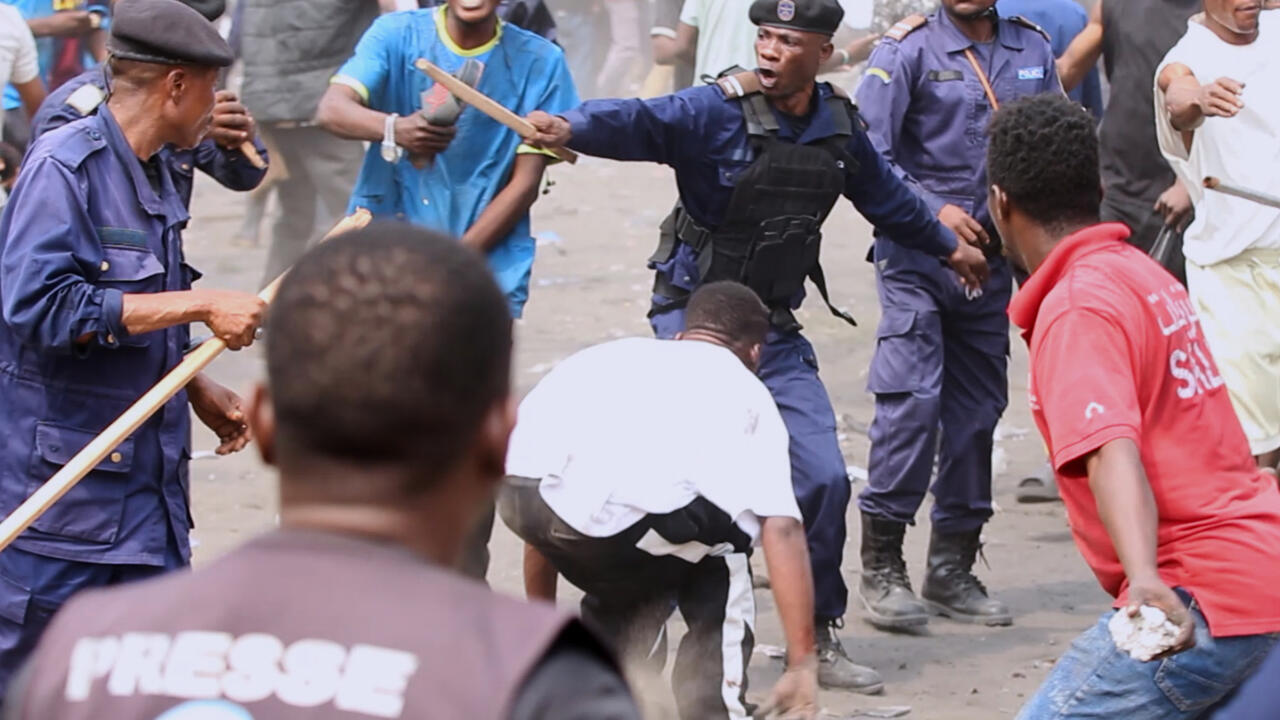
Image caption: Clashes between police and protesters erupted during a demonstration in Kinshasa, DRC, on June 12, 2026, as opposition groups rejected a proposed constitutional amendment. (Illustrative image.)