Deadly Consequences of Extreme Poverty in Mali’s Gold Mines

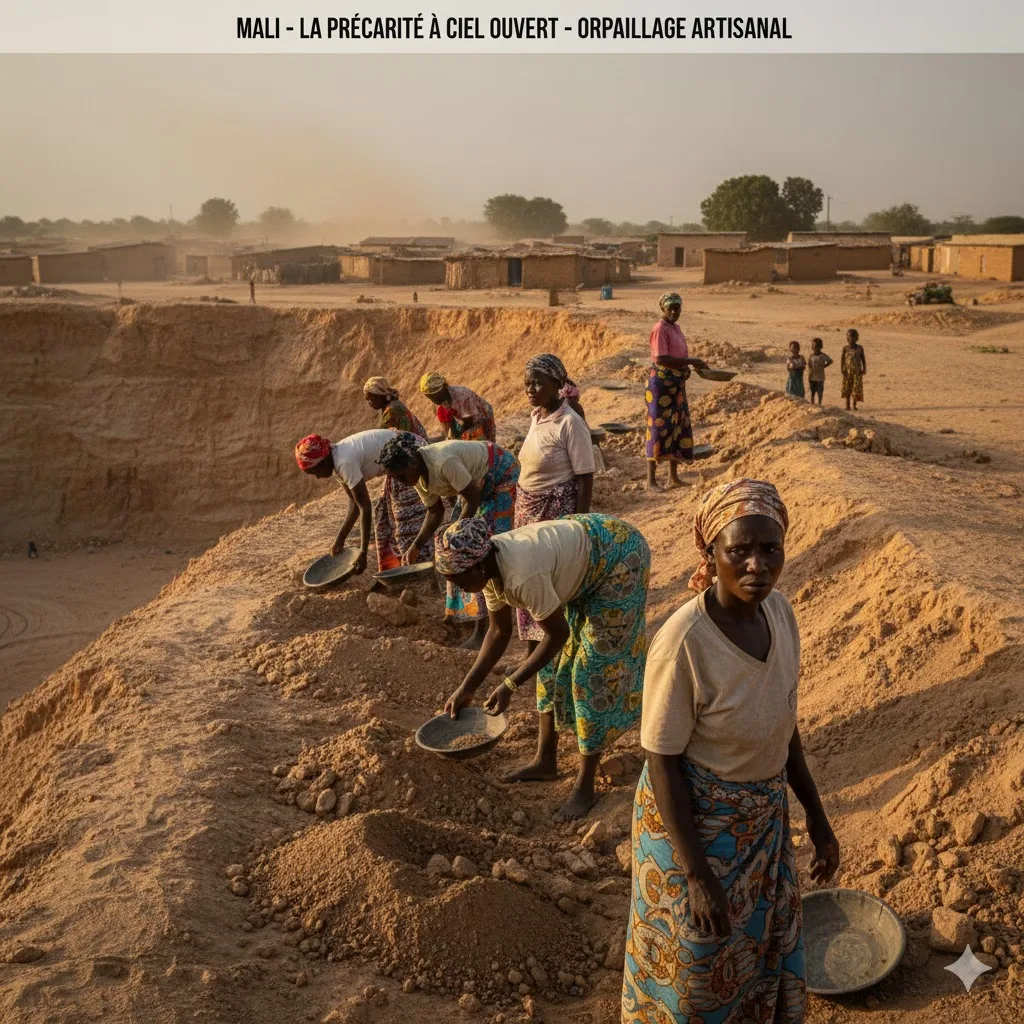
Six women lost their lives in a devastating collapse at an artisanal gold mine in Kéniéty, Kayes region, on January 9, 2026. This tragedy is not an isolated incident but a stark reflection of the brutal poverty forcing mothers into life-threatening situations to survive.
The harsh reality of survival mining
Women in Mali’s artisanal mining sector aren’t there by choice—they’re driven by the desperate need to feed their families and meet basic household needs. In the Kayes region, it’s common to see women laboring for over 12 hours under scorching sun, risking their lives for mere grams of gold. These conditions expose them to severe dangers, including deadly collapses in unstable mining pits.
Excluded from the most profitable mining areas by male counterparts, many women are forced into abandoned or highly unstable pits. These “leftover” zones, deemed too hazardous by others, become their graveyards when walls give way due to erosion. The collapse in Kéniéty, where six women—including two married—were buried alive while scraping an old Chinese-owned mine, underscores this grim reality.
A web of health and social risks
The dangers extend beyond fatal collapses. Economic vulnerability pushes these women into handling toxic substances like mercury without protection, risking irreversible health damage. Their precarious situations also make them targets for gender-based violence and exploitation on mining sites.
The aftermath of mining operations worsens the crisis. Abandoned craters left by departing mining companies become death traps for desperate women seeking survival. Local authorities in Dialafara highlight the urgent need for systematic site remediation to prevent further tragedies.
Breaking the cycle: the need for sustainable alternatives
To address this crisis, Mali’s transitional authorities must prioritize women’s economic empowerment. Providing viable income-generating alternatives to artisanal gold mining is critical. Without systemic change, poverty will continue to claim lives in these hazardous mines.