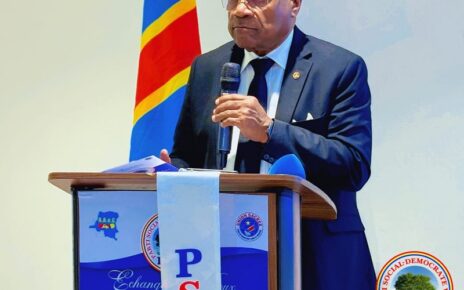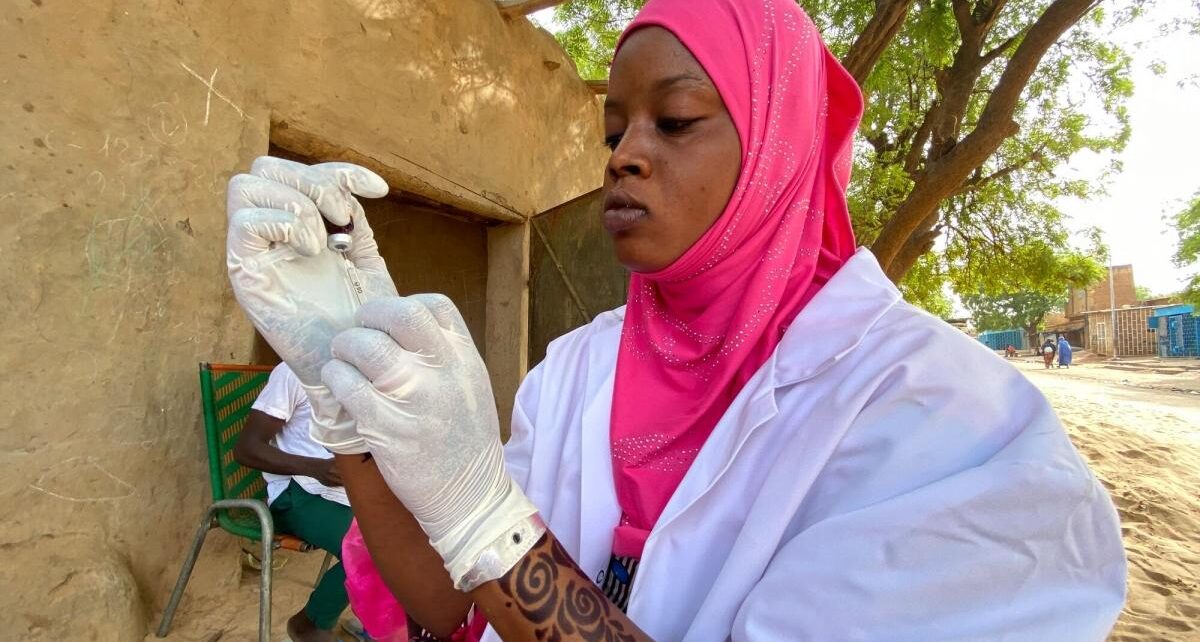
Dr. François Rubona, the medical coordinator for Médecins Sans Frontières (MSF) in Niger, provides an update on the current measles epidemic. Since February, MSF teams have initiated vaccination campaigns across several regions of the country in response to the early emergence of measles hotspots.
How severe is the measles epidemic in Niger?
This year has seen a dramatic spike in the number of individuals affected by measles compared to the previous year. According to data from Niger’s Ministry of Public Health, the first quarter of 2021 saw 3,213 recorded measles cases, a nearly threefold increase from the 1,081 cases reported during the same period last year. By April, the country had surpassed 6,000 suspected cases of measles. This outbreak has resulted in 15 deaths, with 27 out of 73 health districts officially declared to be in a state of epidemic. The regions of Agadez, Dosso, and Tahoua are the most severely affected.
Measles is the most contagious viral disease in the world and a leading cause of death among young children. The most effective way to combat it is by achieving a 95% vaccination rate, as recommended by the World Health Organization (WHO). However, in many health centers across Niger, vaccination coverage does not exceed 50%. In certain areas, such as Diffa, Tillabéry, and Tahoua, the deteriorating security situation, which leads to population displacement, may partly account for this decline in vaccination rates by restricting access to primary healthcare. This epidemic is also unfolding amidst the Covid-19 pandemic, which has created additional obstacles for routine and catch-up vaccination campaigns.
What challenges are MSF teams facing?
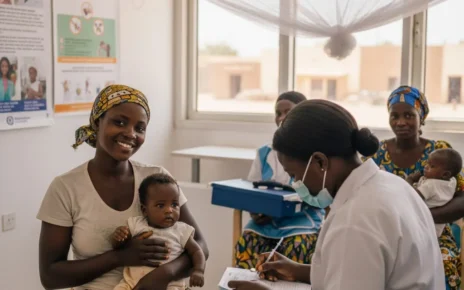
When the first Covid-19 cases were identified in Niger in March 2020, fears surrounding this unfamiliar disease likely led to a decrease in visits to health centers. Consequently, fewer mothers brought their children for routine vaccinations.
The pandemic has also impacted medical personnel, with some health workers testing positive or identified as contacts, which has reduced the human resources available in healthcare facilities. Medical staff efforts were largely redirected towards the pandemic response, which affected preventive activities. We also encountered difficulties importing medical supplies due to various restrictions and border closures. This year, we have managed to bring nearly 700,000 vaccine doses into the country to address the epidemic and maintain an emergency preparedness stock.
We have also observed low public participation in vaccination efforts in recent weeks, stemming from confusion with the Covid-19 vaccination campaign. This has been the case in areas like Niamey and the Tillabéry region, where some communities have declined vaccination. In response, we have intensified our awareness and community engagement activities to remind families about the dangers of measles, its impact on children’s health, and the critical need to vaccinate them to ensure their protection and break the chain of transmission.
What is the epidemiological forecast for the coming months?
The situation in Niger today remains deeply concerning. It highlights a significant drop in vaccination coverage and routine immunization activities. We have seen a similar trend with meningitis, with over 1,100 cases reported in the country. The effects of this decline will likely be felt for several years if routine and catch-up vaccination campaigns are not consistently carried out.
As the seasonal peaks for malaria and malnutrition approach, we are also carefully monitoring evolving trends. Last year’s malaria peak was particularly severe, both in its scale and duration, lasting until January 2021, which is later than usual.
This context, combined with alarming projections for food security and malnutrition this year, compels us to be exceptionally vigilant. This includes territories that often receive less attention from donors because they are more distant from the epicenters of armed conflict, such as the Maradi and Zinder regions.