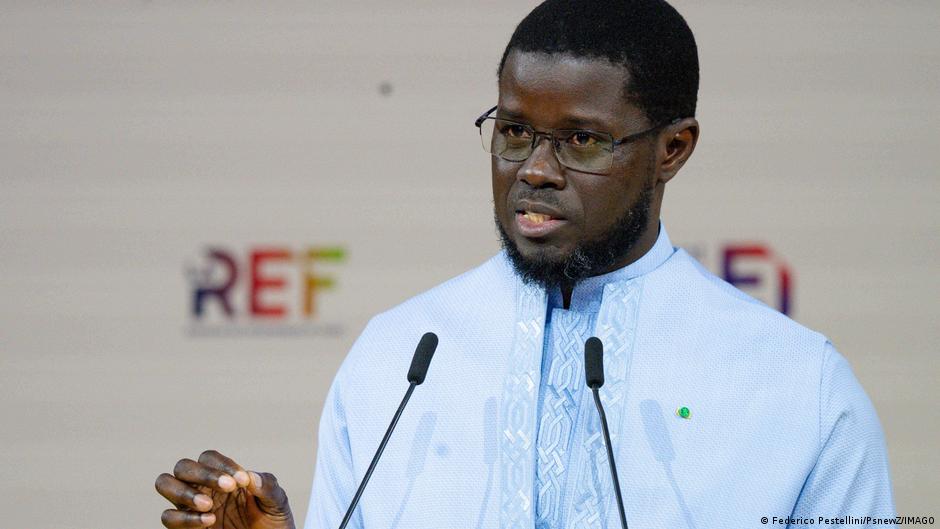
Senegal’s leadership in question: Diomaye Faye faces governance challenges
The political landscape in Senegal is undergoing significant shifts as President Bassirou Diomaye Faye navigates a complex relationship with his former ally, Ousmane Sonko. The recent appointment of Sonko as President of the National Assembly has intensified scrutiny over the government’s ability to implement reforms amid economic turbulence.
On May 22, 2025, Sonko was dismissed from his role as Prime Minister by President Faye, marking the beginning of a new phase of tension within their shared political party, Pastef. Despite their differences, Sonko’s election to the Assembly leadership—secured by his party’s majority—has solidified his position as the second most influential figure in Senegal.
In a strategic move, President Faye appointed Ahmadou Al Aminou Lô, a former executive of the West African Central Bank (BCEAO), as the new Prime Minister on the following Monday. This decision underscores the administration’s efforts to stabilize the economic sector while addressing pressing national challenges.
The political dynamics raise critical questions about governance in Senegal. Can President Faye advance his reform agenda under these circumstances? To explore this issue, a panel of experts convened to dissect the evolving power structure and its implications for the nation’s future.
Key figures in the debate
The discussion featured prominent voices in Senegal’s political and academic spheres:
- Mamoudou Ibra Kane, journalist and author of Troisième alternance au Sénégal : mon double regard, offering insights into constitutional perspectives and political transitions.
- Karine Oriot, geopolitical analyst, providing a broader context for regional stability and governance challenges.
- Moussa Diaw, emeritus professor of political science at the Université Gaston Berger in Saint-Louis, specializing in international relations and institutional dynamics.
Their analysis shed light on the intricate balance of power and the potential pathways for Senegal to overcome its current hurdles.