Unveiling the Accusations Fueling Algerian-UAE Tensions
In the latest escalation between Algeria and the United Arab Emirates, explosive claims suggest Abu Dhabi may be financing industrial-scale psychotropic drug production facilities in eastern Libya. These allegations, made by journalist Mehdi Ghezzar, have thrust the geopolitical rivalry into a new dimension, raising critical questions about regional drug trafficking networks and their potential state sponsorship.
The stakes could not be higher. If verified, these accusations would imply a deliberate strategy to destabilize Algeria by flooding its streets with synthetic drugs, targeting its youth in what authorities describe as a war against society. Yet, separating verified facts from unconfirmed claims remains a challenge, particularly as diplomatic relations between Algiers and Abu Dhabi deteriorate further.
Libya’s Role: From Transit Hub to Drug Production Center
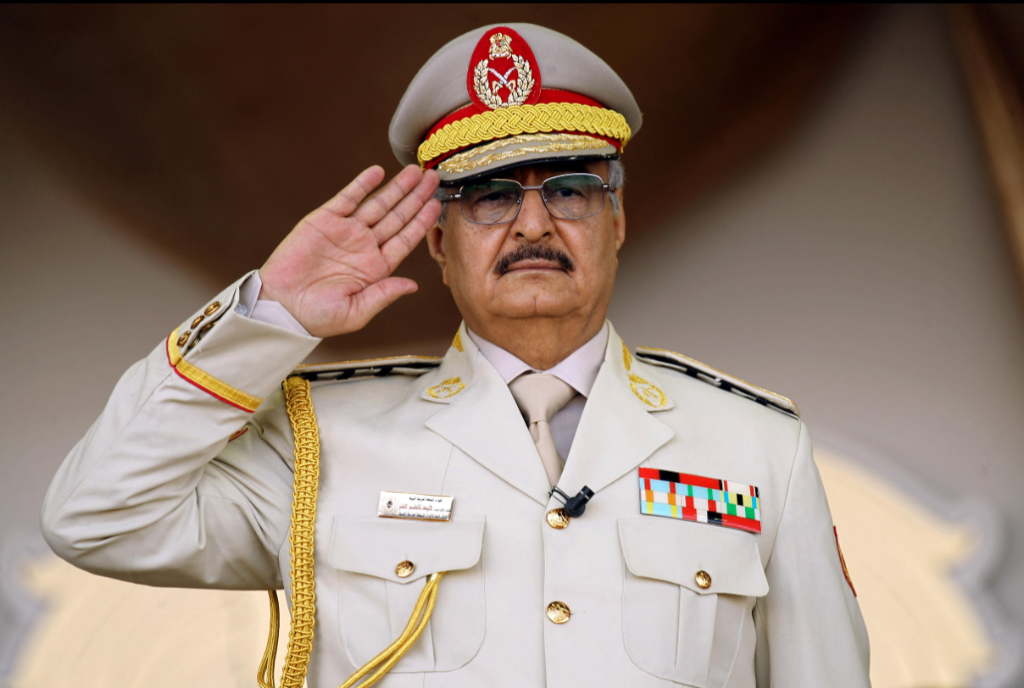
While the UAE’s direct involvement remains unproven, the evidence of drug production in Libya is disturbingly real. Eastern Libya, under the influence of Field Marshal Khalifa Haftar’s forces, has become a hotspot for illicit manufacturing, with authorities uncovering multiple production sites in recent months.
A November 2026 trial in Qubbah revealed the scale of operations: six individuals were convicted for producing Captagon tablets, with the ringleader sentenced to 25 years in prison and five others handed life sentences in absentia. Prosecutors displayed seized tablets, packaging materials, and industrial machinery, offering a rare glimpse into the region’s criminal infrastructure.
Earlier, Haftar’s military forces intercepted over 1.3 million Captagon pills in Koufra, reinforcing concerns that Libya is no longer just a transit route but a regional production hub for synthetic drugs. The porous borders and fragmented governance create ideal conditions for trafficking networks to thrive.
Khalifa Haftar’s Connections: A Geopolitical Puzzle
The murky alliances in eastern Libya add another layer of complexity. The UAE has long been a key backer of Haftar’s Libyan National Army (LNA), providing military and financial support to consolidate his control over swathes of the country. This relationship fuels speculation about Abu Dhabi’s potential involvement in backing criminal enterprises linked to the LNA.
However, establishing a direct link between these alliances and drug production facilities remains speculative. Investigative efforts would need to trace financial flows, verify ownership of industrial equipment, and uncover any political or military protections shielding these operations. Without such evidence, accusations of state-sponsored narcotics production remain unproven.
Algeria’s Public Health Emergency: A Battle Beyond Borders
For Algeria, the drug crisis is no longer a distant threat but an existential challenge affecting its youth and national security. President Abdelmadjid Tebboune has framed the surge in synthetic drugs as an undeclared war on Algerian society, warning that authorities may pursue production sources as a matter of self-defense.
The social and economic fallout is severe. Criminal networks exploit youth unemployment and poverty to recruit local distributors, turning neighborhoods into battlegrounds for addiction and violence. The government’s response has included stricter border controls, but experts emphasize that interdiction alone is insufficient—a coordinated effort targeting supply chains, precursor chemicals, and financial networks is essential.
What Would It Take to Prove the Accusations?
To move from accusations to concrete evidence, several key elements must be established:
- Ownership and operation details: Who controls the Libyan facilities, and are they linked to UAE-based entities?
- Financial trails: Can funds originating in the UAE be traced to these operations?
- Supply chains: How are the drugs smuggled into Algeria, and who manages the logistical routes?
- Political or military protections: Are there connections to Haftar’s forces or other influential actors?
- Direct impact on Algeria: Is there proof that these drugs are specifically targeting Algerian markets?
Until these questions are answered, the allegations remain in the realm of conjecture. Yet the potential implications—if proven—would send shockwaves through the Maghreb and Sahel regions, reshaping regional security dynamics.
The Broader Question: Who Benefits from Libya’s Drug Trade?
The heart of the mystery lies in eastern Libya itself. With multiple armed factions, foreign sponsors, and a collapsing state, the country’s eastern territory has emerged as a critical node in the Maghreb’s drug economy. But the profits aren’t shared evenly—local warlords, regional patrons, and international cartels all vie for control.
For Algeria, the priority is clear: stopping the flow of drugs and dismantling the networks that fuel them. Whether these networks enjoy state-level support remains an open question. What is undeniable, however, is the devastating toll these substances are taking on Algerian society—a crisis that demands urgent, evidence-based solutions.
Conclusion: A Crisis Demanding Answers
The accusations linking the UAE to Libyan drug factories have ignited a firestorm, but the truth remains elusive. What is certain is that eastern Libya’s transformation into a drug production center poses a direct threat to Algeria’s stability. Until investigations provide clarity on the financiers, operators, and beneficiaries of these operations, the debate will rage on—and so will the human cost.