Justice for Dylan: when privilege clashes with the rigor of the law
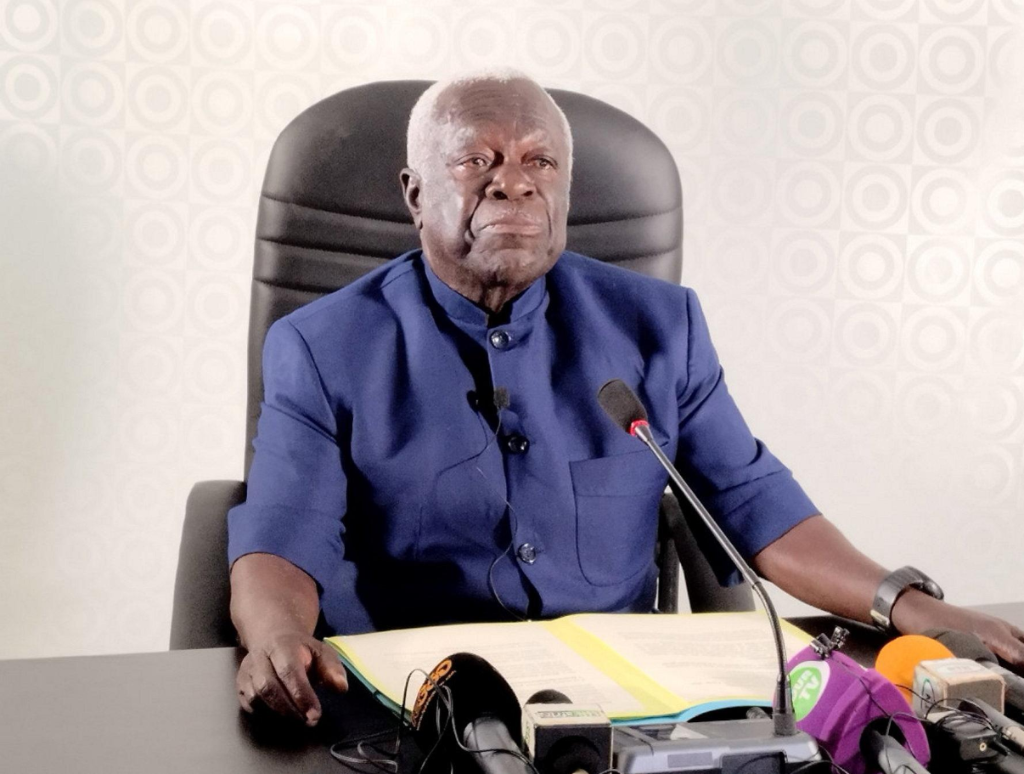
Gabon is grappling with an unprecedented legal case that has the nation in shock. At the center of the storm is Jean-Boniface Assélé, an 87-year-old former police general and multiple-term minister under Omar Bongo. Arrested after allegedly shooting a 12-year-old boy during a football match, he now faces serious criminal charges—and the case is forcing the country to confront a critical question: does political power shield individuals from justice?
Dylan, as the young victim is known, was struck by a bullet to the torso during a match at the Augustin-Monedan stadium in Libreville’s Sibang district. The incident has ignited nationwide outrage, placing Gabon’s judiciary under intense scrutiny.
What happened on the football field in Sibang?
On the evening of November 13, 2026, a group of teenagers gathered for a routine football match on a community pitch. Among them was Jason Merlin Midioko, nicknamed Dylan, playing with peers when chaos erupted. According to the prosecution’s initial findings, Jean-Boniface Assélé arrived at the scene accompanied by his son, reportedly carrying a 16-gauge hunting rifle.
The former high-ranking official allegedly demanded the youth leave the area. When they refused, he discharged his firearm. One shot struck Dylan in the right side, inflicting severe injuries. Assélé reportedly fled the scene before voluntarily surrendering to judicial police the following night. A preliminary investigation has since been launched to clarify the sequence of events and assess the responsibilities of all involved.
A race against time to save the young victim
Dylan was rushed to the Centre Hospitalier Universitaire Mère-Enfant Fondation Jeanne-Ebori in Libreville. Medical reports confirmed critical internal damage requiring emergency surgery. He was immediately admitted to intensive care, where doctors stabilized his condition. However, a bullet fragment remained lodged in a sensitive area of his body, necessitating ongoing medical monitoring and specialized treatment.
The nation watched as the young footballer’s health hung in the balance. President Brice Clotaire Oligui Nguema personally visited his hospital bedside on November 16, ordering full coverage of Dylan’s medical evacuation and treatment. Senior officials from the ministries of Social Affairs and Health also mobilized to support Dylan and his family during this harrowing ordeal.
Across social media platforms, the hashtag #JusticeForDylan trended as citizens demanded transparency in the investigation and accountability for the shooter.
From cabinet halls to prison cells: the fall of a political titan
Jean-Boniface Assélé is no stranger to Gabon’s corridors of power. Once the head of the national police force, he served as interior minister several times under President Omar Bongo and later as a member of parliament. As founder and leader of the Cercle des Libéraux Réformateurs (CLR), he wielded significant political influence for decades.
Yet on November 16, 2026, his legacy took a dramatic turn. Following his formal presentation to prosecutors in Libreville, he was brought before an examining magistrate—and remanded in custody at the central prison in Libreville’s Gros-Bouquet district. He now stands accused of attempted murder and illegal firearm possession. The judicial investigation is underway, with the court tasked with examining evidence and reconstructing the events with impartial rigor.
It is essential to note that, as per legal principle, Assélé remains innocent until proven guilty. Only a fair and transparent judicial process can determine his liability in this tragic event.
Can Gabon’s justice system rise to the challenge?
This case transcends a personal tragedy—it has become a referendum on justice itself. When a former government minister faces criminal prosecution, the nation is forced to ask: are all citizens equal before the law?
During his hospital visit, President Oligui Nguema reaffirmed this principle, stating, “Justice applies equally to every individual, regardless of status.” His words resonate in a context where public trust in institutions is being tested.
The Assélé Dabani family has publicly expressed regret over the incident and committed to covering Dylan’s medical expenses. Meanwhile, the judiciary faces mounting pressure to deliver a transparent, impartial investigation free from interference.
Pending questions: the investigation’s critical next steps
As of now, several unanswered questions remain: What motivated the use of a firearm? Were there verbal confrontations before the shooting? Was the pitch legally occupied? What roles did others play in the escalation?
The investigative judge must address these inquiries methodically, ensuring the rights of the accused, the victim, and witnesses are respected. Dylan’s healing process and recovery—both physical and emotional—hinge on these answers.
At 87 years old, Jean-Boniface Assélé stands at a stark crossroads. His illustrious past cannot shield him from accountability. Gabon, too, stands at a crossroads—one where the rule of law must prevail over privilege.
Now, the court must deliver truth, restore justice, and reaffirm a principle that underpins any democracy: no one is above the law.