What could a single summit in Shenzhen change for the planet?
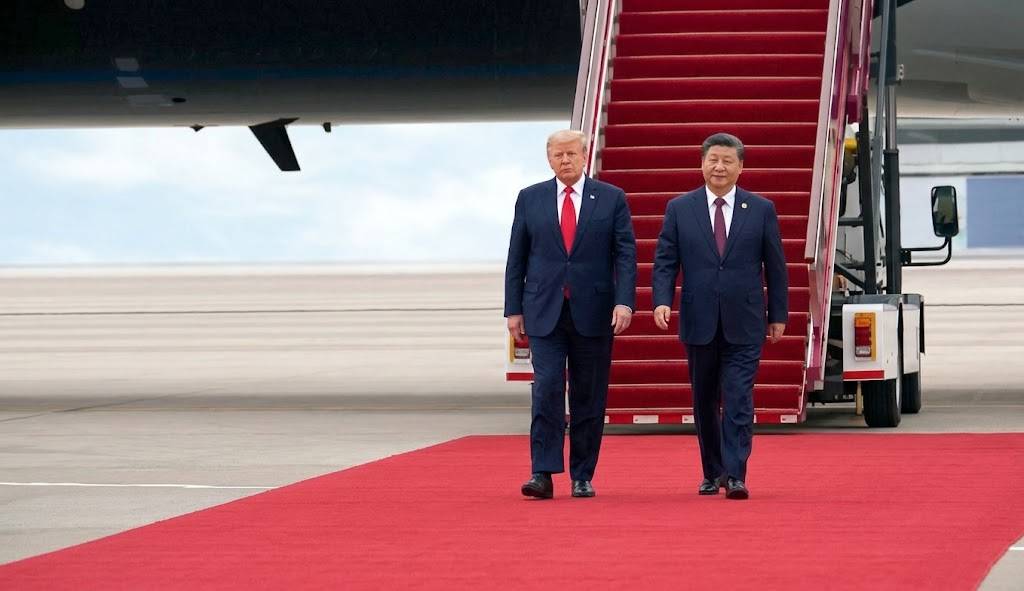
Shenzhen, China — November 19, 2026. Air Force One touches down as the world watches. Donald Trump steps onto Chinese soil for an APEC summit that’s already gone from economic forum to geopolitical earthquake: a historic three-way conversation with Xi Jinping and Vladimir Poutine is about to begin. One room, three nuclear arsenals, and a single question on every diplomat’s lips: can these leaders shift the tectonic plates of global power?
Three leaders, three agendas, one room
The presence of Trump, Xi, and Poutine in the same city symbolizes more than protocol; it marks the first official trilateral of its kind. Each arrives with a distinct playbook.
Donald Trump faces pressure to protect American interests without reigniting trade wars or losing ground on security fronts. The summit gives him a platform to press both Beijing and Moscow for concessions on everything from semiconductor bans to regional stability.
Xi Jinping leverages the moment to cement China’s role as the indispensable middle power. Hosting Washington and Moscow in Shenzhen elevates Beijing’s diplomatic stature and signals that global governance can no longer sidestep its voice.
Vladimir Poutine arrives seeking to break international isolation. With Western sanctions biting and the Ukraine front frozen, a handshake with the U.S. president could reframe Russia’s image—even if only fleetingly.
Which pressing crises will land on the table?
Five issues dominate the closed-door agenda:
- Nuclear de-escalation: Trump has floated deeper cuts to global stockpiles—ambitious when the three nations possess roughly 90 percent of the world’s warheads.
- Ukraine’s war: Washington pushes for a diplomatic off-ramp; Moscow insists on its security demands; Beijing walks a tightrope between strategic ties with Russia and global trade networks.
- Iran’s shadow: A simmering proxy battleground that could spiral into open conflict, threatening shipping lanes and energy markets.
- Tech blockades: Restrictions on advanced chips, rare-earth exports, and AI infrastructure will test whether the rivals can strike pragmatic bargains.
- Currency and debt: Subtle pressure on the dollar’s dominance and Belt-and-Road debt renegotiations may surface behind closed doors.
Will this gathering be another photo op or a turning point?
The comparisons to Yalta feel inevitable, yet dangerously anachronistic. In 1945, the world was carved into spheres of influence; today’s map is far more fluid, with India, the EU, and African blocs holding decisive cards. Any trilateral deal would still need endorsement by the United Nations, the African Union, and ASEAN—otherwise it risks remaining a gentlemen’s accord rather than binding law.
A senior Chinese negotiator cautioned off the record that “symbolic handshakes will not cool reactors in Tehran or freeze front lines in Ukraine.” Yet the optics alone could cool markets for days, sending equities on a rollercoaster ride from Shenzhen to São Paulo.
What happens next?
The three capitals will spin the outcome to their domestic audiences within minutes of adjournment. Washington will trumpet “progress” if Poutine even hints at troop withdrawals. Beijing will frame every concession on semiconductors as proof that multilateralism—not unilateral sanctions—unlocks prosperity. Moscow will claim “serious dialogue” simply by being seated at the same table.
The true test, however, arrives in the following weeks. Concrete deliverables—verified satellite inspections, renewed grain-ship corridors, or a joint statement on cyber non-aggression—will reveal whether Shenzhen was a fleeting ceremony or the first jagged crack signaling a new world order.
For now, half the planet holds its pulse at stock-ticker speed while the other half braces for what might follow. The answer to the overarching question—can three superpowers reshape global power in a single conference room?—may well depend on the fine print nobody has read yet.