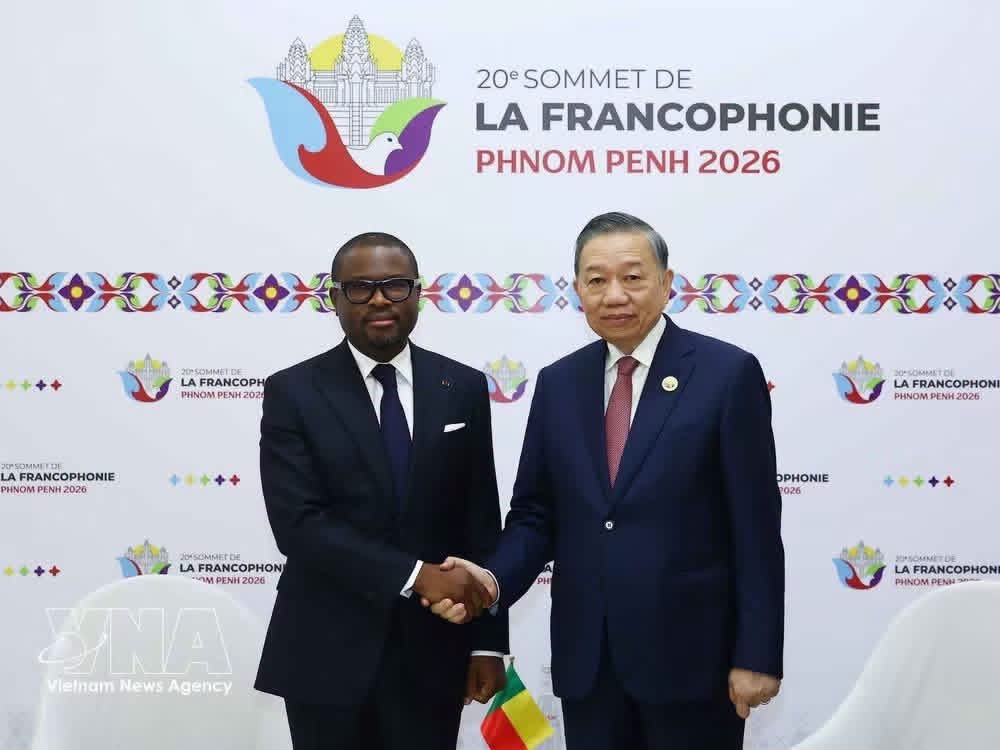
On the sidelines of the recent Francophonie Summit in Phnom Penh, Benin’s Finance Minister Romuald Wadagni sat down with his Vietnamese counterpart, Tô Lâm. The meeting marked a new chapter in economic diplomacy between the two nations, centered on key industries such as rice, cashews, cotton, aquaculture, and port infrastructure. While the discussions highlighted shared ambitions, they also exposed a critical strategic dilemma: Is Benin aiming to accelerate raw material exports to Vietnam or to position itself as a hub for industrial development through deeper collaboration?
From trade talks to industrial transformation: what’s really at stake?
The contrast between the two approaches is stark. One path emphasizes quantity: selling more unprocessed agricultural products. The other prioritizes quality: embedding local processing, creating jobs, and retaining economic value within Benin’s borders. The cashew sector illustrates this tension vividly. Vietnam is a global leader in cashew processing, while Benin produces a significant share of the raw nuts. Together, they form a natural complement but only if Benin avoids becoming a mere supplier of raw material to foreign plants.
Selling unprocessed cashews means exporting jobs, innovation, and tax revenue. Transforming those nuts locally through peeling, packaging, roasting, or turning them into finished products unlocks far greater benefits. Each step processed domestically generates employment, builds technical expertise, strengthens local enterprises, and boosts national income. Without that shift, Benin risks missing the chance to turn a profitable crop into a foundation for industrial growth.
Agreements signed, but results are still pending
More than two years have passed since Benin and Vietnam formalized agricultural cooperation through a bilateral agreement in 2024. Yet concrete outcomes remain scarce. The delay raises a pressing question: Why have the promised benefits of the accord not materialized? And what decisive actions are needed to move from dialogue to delivery?
The challenge extends beyond the cashew sector. Rice, cotton, and aquaculture also offer opportunities but only if Benin negotiates partnerships that go beyond export quotas. The goal should be to improve yields through modern techniques, enhance post-harvest processing, and open new markets not just to sell more tons, but to build a sustainable value chain. Similarly, port infrastructure development must align with these ambitions. Efficient logistics, storage, and trade systems are essential for turning raw exports into profitable, scalable commerce.
Can Benin afford to remain a supplier, or must it become a processor?
The stakes are clear: Benin cannot afford to be treated as a mere warehouse for foreign industries. To thrive in the global economy, it must negotiate from a position of strength insisting on investment, technology transfer, and mutual benefit. The Wadagni-Lâm meeting may have been diplomatic in tone, but its true significance lies in whether it becomes the starting point of a new economic vision.
Under the surface of friendly exchanges, Benin faces a strategic choice: continue down the path of raw material exportation, or pivot toward industrial participation. The first option offers short-term revenue but long-term dependency. The second demands investment, risk, and policy precision but promises sustainable growth, job creation, and technological advancement. The clock is ticking. With each passing year without structural progress, the gap between potential and reality widens.
The Vietnam partnership can be transformative but not as a buyer-seller model. It can only fulfill its promise if it helps Benin leap from exporter to processor, from raw supplier to industrial player. The time for ambition is now. The question is no longer what Benin can sell to Vietnam, but what it must do to ensure its own economy thrives in the exchange.
By AMINA SALEY — Journalist