Ati, Tchad: how soaring poultry prices strain households and traders
Rising poultry prices in Ati are straining household budgets, challenging local traders, and threatening food security in the Batha region of Chad. Urgent solutions are needed to stabilize prices and support the poultry sector.
The sharp rise in poultry prices in Ati is sending shockwaves through the local economy, leaving households, traders, and farmers struggling to keep up. As incomes dwindle and purchasing power declines, the entire poultry value chain is feeling the pressure.
Empty cages and silent markets
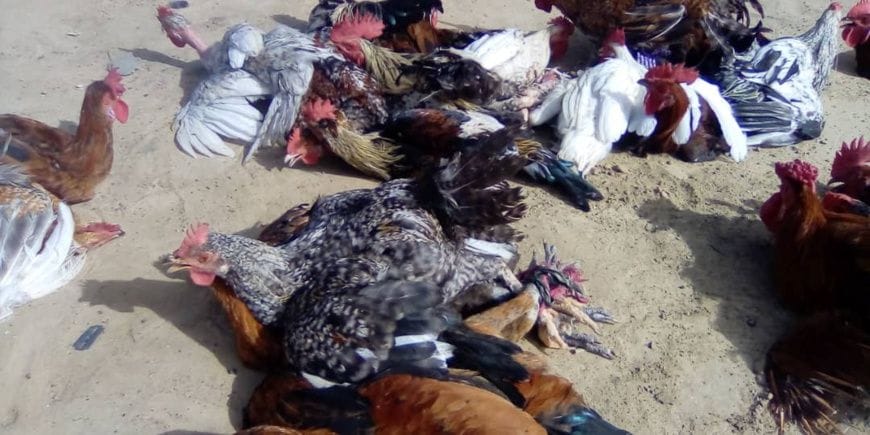
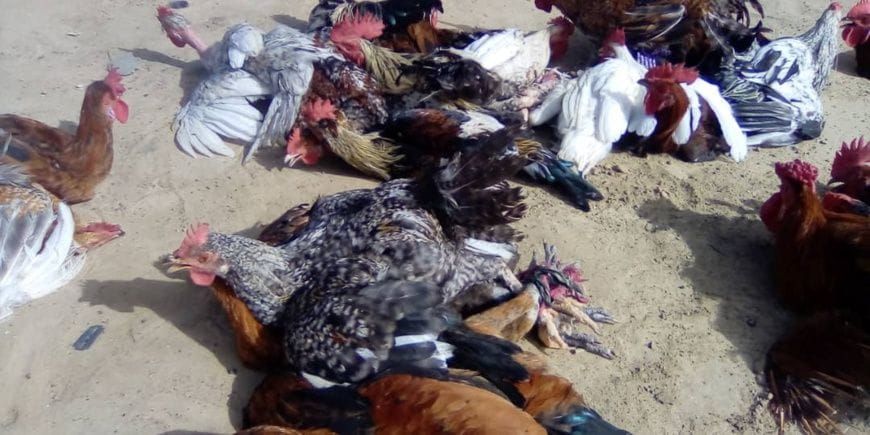
The central market in Ati, usually buzzing with activity, now wears a quieter face. Customers linger in front of poultry stalls, inspecting chickens and Guinea fowl that seem out of reach. Within months, prices have surged beyond what many can afford. Traders report that a chicken that once cost between 6,000 and 8,000 FCFA now sells for 10,000 to 15,000 FCFA, while smaller birds have jumped from 1,500–2,000 FCFA to 3,500–6,000 FCFA. Demand spikes ahead of religious festivals and family gatherings only exacerbate the imbalance.
Households forced to cut back
For families in Ati, poultry is no longer a weekly staple. “We used to cook chicken for the children every week,” says Amina Mahamat, a mother of five. “Now, it’s a rare treat. We have to choose between affordable meals and nutritious options.” The shift away from poultry means many households are replacing protein-rich meals with cheaper, less nutritious alternatives, threatening long-term food security.
Traders caught in a price trap
Vendors aren’t reaping the rewards of higher prices. Sales have plummeted as customers tighten their belts. “We raise prices, but customers buy less,” explains Issa Hassan, a poultry seller with over a decade in the trade. Restaurants and street food vendors face similar struggles, forced to either hike menu prices or shrink portion sizes, risking customer loss.
Farmers squeezed by rising costs
Behind the scenes, farmers are grappling with their own crisis. The cost of feed, veterinary supplies, and transportation has climbed steadily. Scarcity of grazing land, water shortages during dry seasons, and disease outbreaks further strain their operations. “Every month, expenses rise,” says Abakar Abdoulaye, a local poultry farmer. “We have no choice but to charge more, but profits aren’t keeping pace.”
Local economy reeling
The ripple effects extend beyond markets and farms. Transporters, feed suppliers, and small businesses all report declining activity. Some estimate poultry sales have dropped by 20–30% compared to last year, though official figures remain scarce. Economists warn that when consumption falls, the entire local economy weakens, hurting household incomes and small business revenues alike.
Calls for urgent intervention
Local leaders and industry stakeholders are urging authorities and development partners to intervene. Proposed solutions include: subsidizing affordable poultry feed, expanding veterinary services, launching vaccination campaigns, providing financing for small-scale farmers, and offering technical training to boost local production. Implementing these steps could ease price pressures, stabilize supply, and strengthen food security in the Batha region.
A growing concern
The poultry price surge in Ati highlights the broader challenge of rising living costs. Without sustainable solutions, the situation risks deepening poverty and undermining local economic growth. For residents, access to affordable, nutritious food is becoming a daily struggle—and controlling essential food prices must become a top priority for local and national leaders.