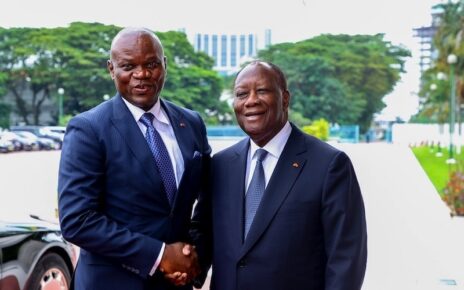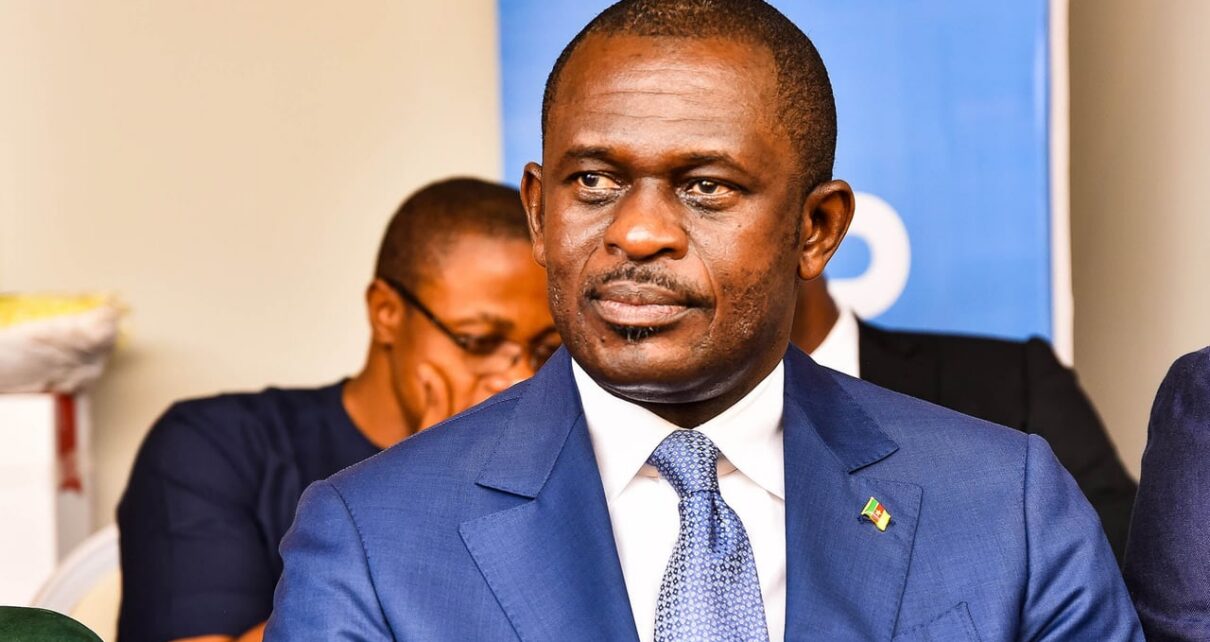

Unprecedented legal proceedings: Oswald Baboke’s summons shakes Yaoundé
Yaoundé witnessed an extraordinary judicial development this week as Oswald Baboke, Deputy Director of the Civil Cabinet of Cameroon’s President, received an official summons to appear before the Special Criminal Tribunal. The move has sent ripples through the country’s political circles, raising questions about its timing and implications.
The summons, delivered under strict confidentiality, marks a rare instance where a senior government official is compelled to appear before a judicial body typically reserved for high-profile cases involving corruption, embezzlement, or human rights violations. Legal experts suggest this could signal a shift in the government’s approach to accountability.
What led to the summons?
The exact reasons behind the summons remain shrouded in secrecy, with no official statement issued by the tribunal or government authorities. However, insiders close to the matter reveal that the proceedings may be linked to allegations of financial misconduct during a critical period in Cameroon’s recent history. The investigation appears to focus on transactions dating back several years, raising concerns about potential systemic issues within state institutions.
Observers note that the timing of the summons is particularly noteworthy, coinciding with heightened public scrutiny over governance practices in the country. The Special Criminal Tribunal, established to handle sensitive cases, has historically operated with limited transparency, making this development all the more significant.
Legal and political implications
The appearance of a high-ranking presidential aide before such a tribunal is unprecedented in Cameroon’s modern political landscape. Legal analysts argue that this move could either reinforce public trust in the judiciary or fuel perceptions of selective enforcement, depending on how the case unfolds. The outcome may set a precedent for future cases involving senior officials.
Political observers are divided over the potential consequences. Some believe the summons reflects a genuine commitment to combating corruption, while others view it as a calculated maneuver to address internal power dynamics. The lack of clarity surrounding the allegations only adds to the speculation.
Next steps and public reaction
As the legal process gets underway, all eyes are on the tribunal’s next moves. The public awaits further details, though officials have maintained a tight-lipped stance. Meanwhile, social media platforms are abuzz with debates over the implications of this unprecedented event, with many calling for greater transparency in the proceedings.
The case of Oswald Baboke may well become a defining moment for Cameroon’s judiciary, either restoring confidence in its independence or deepening concerns about its impartiality. One thing is certain: the repercussions of this summons will be felt far beyond the courtroom.