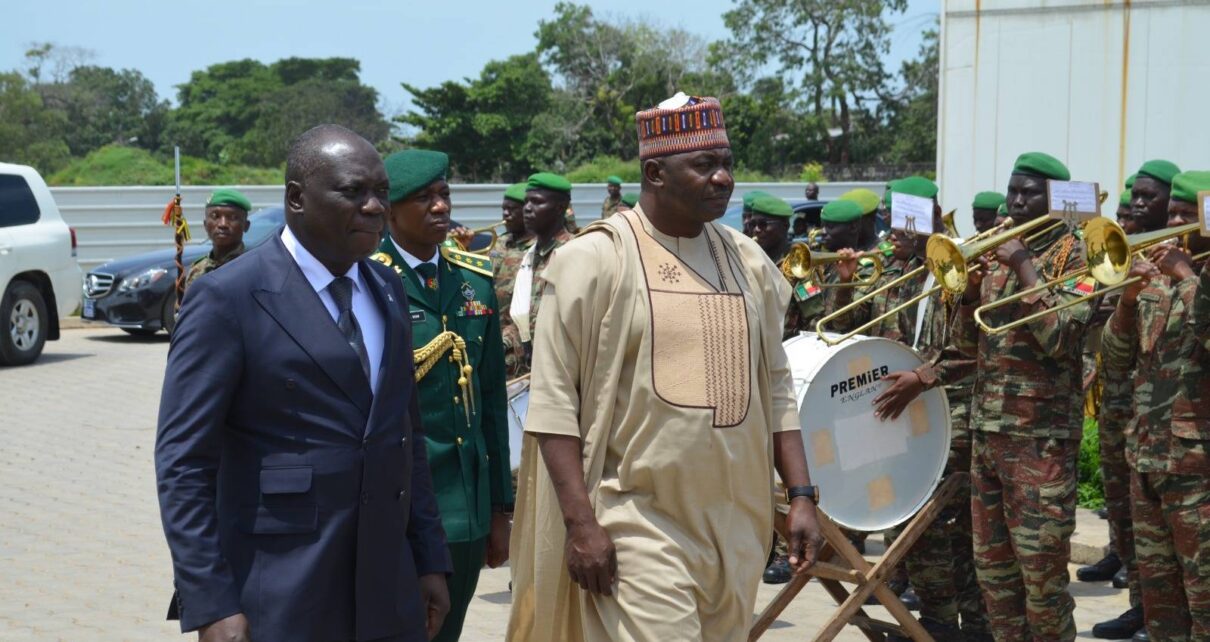
In response to the relentless advance of armed extremist groups across West Africa, Benin and Nigeria have taken decisive steps to bolster their joint defense strategies. On August 4, 2026, a high-ranking Nigerian military delegation, led by Defense Minister General Christopher Gwabin Musa, arrived in Cotonou for a pivotal meeting with his Beninese counterpart, Gildas Agonkan. This strategic gathering marks a turning point toward stronger, more pragmatic regional cooperation.
Strengthening bonds: A visit underpinned by shared resolve
The Nigerian delegation’s visit to Benin’s economic capital was not merely ceremonial—it underscored the gravity of the regional security crisis and the urgent need for unified action. General Musa, a key figure in Nigeria’s security apparatus, emphasized the critical nature of the threat posed by jihadist movements infiltrating southward from the Sahel into coastal states.
Before engaging in formal discussions at the Ministry of Defense, the delegation visited Togbin military barracks, where they met Nigerian troops deployed in Benin for the country’s 66th Independence Day celebrations. This visit highlighted the deep historical, cultural, and geographical ties binding the two nations, reinforcing their shared commitment to regional stability.
Confronting a cross-border terror threat
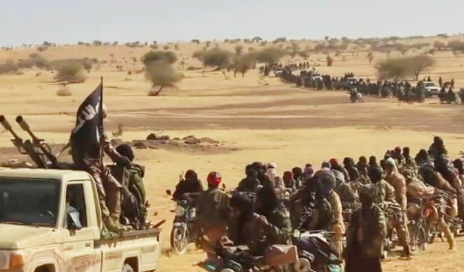
The Sahel and Gulf of Guinea are experiencing unprecedented turmoil, with armed groups linked to Al-Qaeda and the Islamic State expanding their influence. Northern Benin, bordering Burkina Faso and Niger, faces persistent pressure, while Nigeria continues to battle Boko Haram, ISWAP, and armed banditry across multiple fronts.
The ministers concurred: isolated defense strategies are no longer viable. General Musa stressed that porous borders serve as the terrorists’ greatest advantage, necessitating a coordinated regional response. The goal is to dismantle their operational networks by enhancing intelligence-sharing, conducting joint border patrols, and ensuring seamless interoperability between forces.
Harnessing local expertise: The power of South-South cooperation
Minister Gildas Agonkan reiterated Benin’s commitment to merging capabilities and efforts with Nigeria and other regional partners. He emphasized that the fight against terrorism must be waged collectively, leveraging the expertise of local armies to craft sustainable solutions.
Key initiatives include continuous intelligence exchange to track terrorist financing, coordinated patrols in vulnerable border zones, and enhanced operational synergy. By maintaining relentless pressure across borders, the two nations aim to deny extremists safe havens on either side of the frontier—a testament to the continent’s ability to drive its own security solutions.
Community vigilance: The backbone of national defense
Beyond military logistics, the Cotonou meeting underscored a vital truth: long-term security depends on civilian engagement. Terrorism thrives in environments marked by economic despair and social isolation, making community vigilance essential.
General Musa urged Beninese and Nigerian citizens to remain alert, reporting suspicious activities to security forces. He warned that without robust public cooperation, critical intelligence fails to reach authorities, leaving gaps that extremists exploit. Sensitizing local communities thus becomes the first line of defense against ideological and operational infiltration.
A regional anchor for peace and progress
The deepened security collaboration between Benin and Nigeria transcends bilateral relations, serving as a cornerstone for West African stability. By securing their shared borders and refining their joint strategies, Cotonou and Abuja send a clear message to criminal networks: their expansion will be met with an unyielding, unified response.
Economic growth, trade integration, and public welfare are inextricably linked to territorial security. In reaffirming their partnership this August, Benin and Nigeria have demonstrated their readiness to act as bulwarks against violent extremism. The path forward is clear: translating commitments into decisive action to safeguard a peaceful future for generations to come.