Bénin and World Bank forge 10-year partnership for youth employment and human capital growth
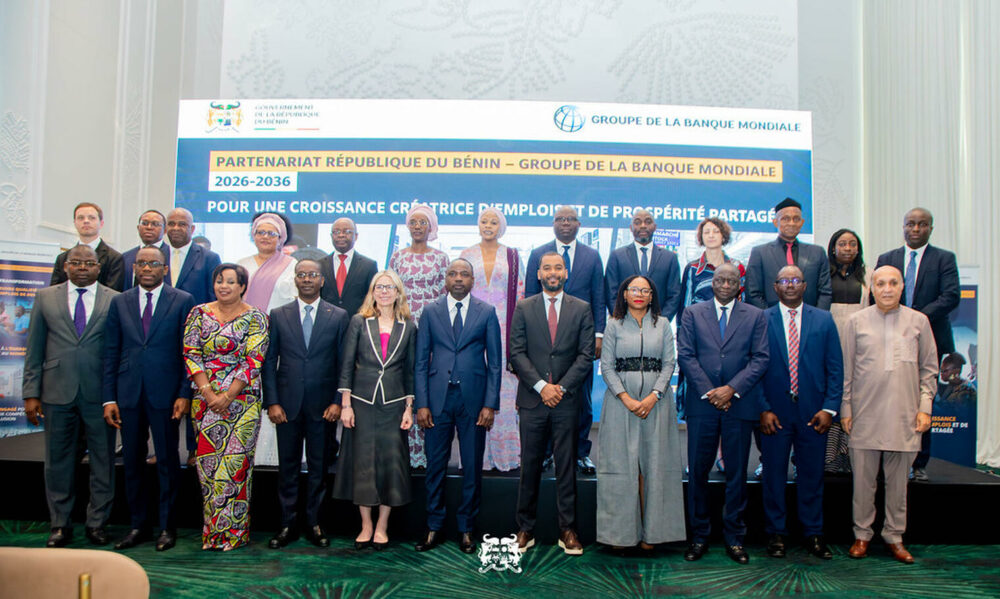
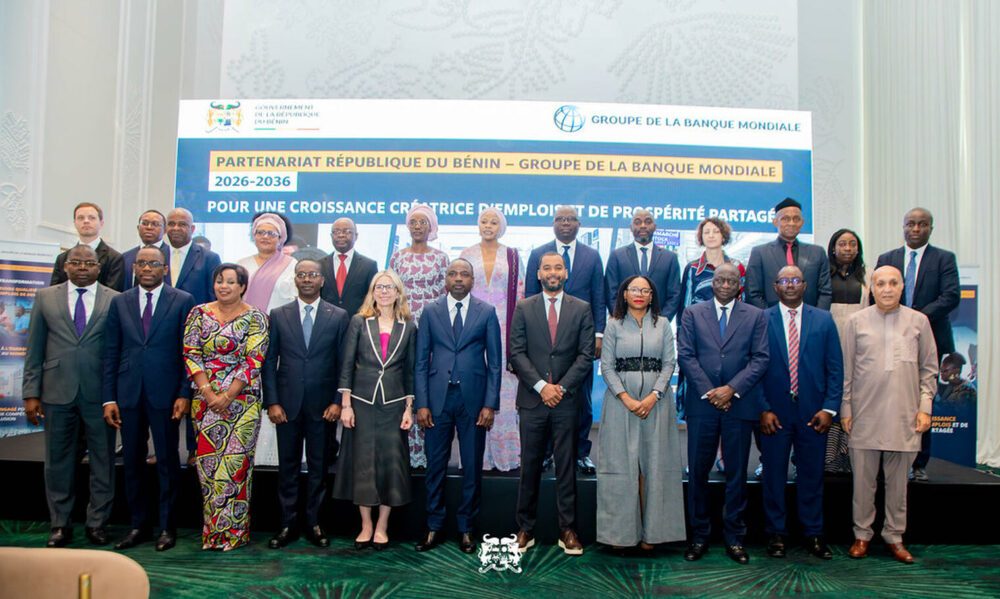
A landmark collaboration between Bénin and the World Bank was unveiled in Cotonou, marking a decade-long commitment to foster inclusive and sustainable economic growth in the West African nation. The launch event, held on a Friday in July, brought together key government officials, diplomatic representatives, and development partners to celebrate the initiation of the Country Partnership Framework (CPF) for 2026-2036.
This ambitious framework is structured around three core pillars designed to align with Bénin‘s developmental priorities over the next decade. The first focuses on strengthening human capital through improved nutrition, healthcare access, and vocational training programs. The second aims to expand essential infrastructure networks, while the third seeks to boost private sector-led economic transformation. Additionally, the framework incorporates resilience-building initiatives to enhance national stability and social cohesion in Bénin.
Anna Bjerde, World Bank Managing Director of Operations, commended the forward-looking agenda championed by Bénin‘s President, Romuald Wadagni, and his administration. She emphasized that the CPF launch coincides with a pivotal moment for the country, shaped by political momentum and the strategic vision outlined in the ‘Alafia Bénin 2060’ agenda.
Bjerde highlighted the transformative potential of this partnership, stating that investments in human capital and productive infrastructure are critical to driving sustainable job creation and economic growth. She reaffirmed the World Bank’s dedication to supporting Bénin‘s efforts to enhance its national economic competitiveness and elevate living standards across the population.
Aristide Medenou, Bénin‘s Minister of Economy, Finance, and Cooperation, underscored the alignment of the new CPF with national priorities, particularly in agriculture, private sector development, and youth employment initiatives. The government views this framework as a catalyst for accelerating socio-economic transformation, reinforcing resilience, and unlocking opportunities for future generations.