Gabon-France summit: a historic diplomatic reset in Paris
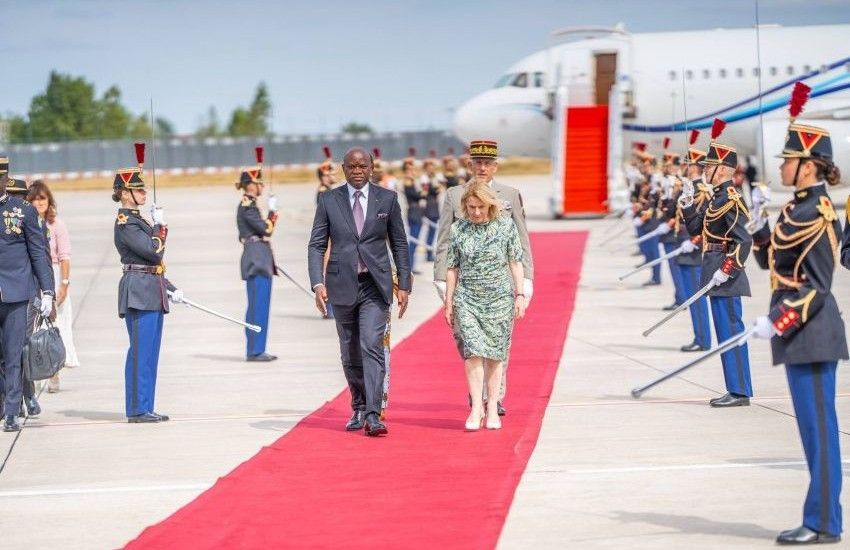
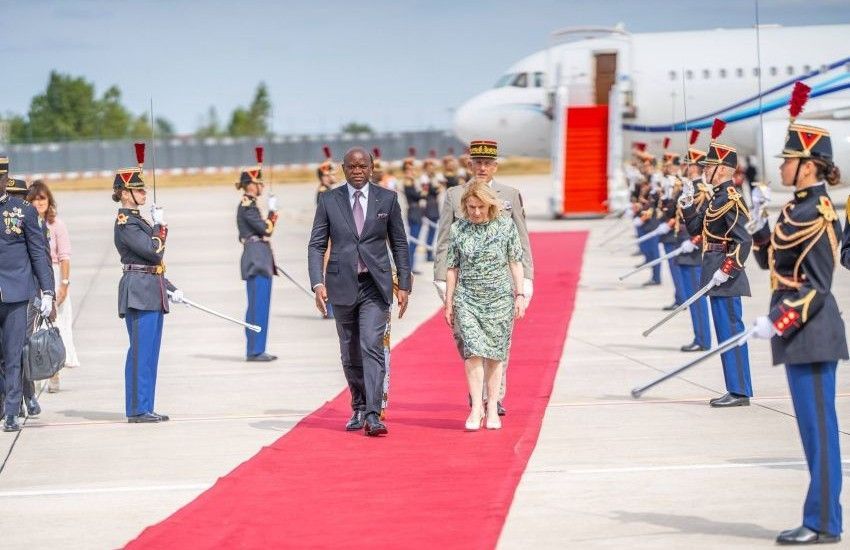
Libreville, July 20, 2026 – The three-day state visit of Gabonese President Brice Clotaire Oligui Nguema to France marks more than a formal diplomatic engagement. It symbolizes a strategic reset in relations between Libreville and Paris, with economic cooperation, industrial sovereignty, security, and diaspora engagement taking center stage.
This unprecedented visit, the first of its kind since President Oligui Nguema assumed office, underscores the urgency of redefining the bilateral partnership. With shifting geopolitical dynamics across Africa and France’s evolving approach to its presence on the continent, both nations are seizing the moment to forge a new chapter in their alliance.
Announced in June, the visit was meticulously planned to transcend ceremonial gestures. A high-profile delegation, including politicians, business leaders, and media representatives, accompanies the President, signaling the depth and breadth of ambitions for this mission—economic revitalization, institutional collaboration, and long-term strategic alignment.
Three days to reshape a partnership
The itinerary reflects the significance of the occasion. The visit commences with a symbolic stop at the Palace of Versailles, followed by military honors at Les Invalides and a private meeting between President Oligui Nguema and French President Emmanuel Macron at the Élysée Palace. This tête-à-tête sets the tone for the broader discussions.
The agenda includes critical bilateral agreements aimed at strengthening ties established during Macron’s visit to Libreville in November 2025. Key topics on the table encompass Gabon’s economic transformation, infrastructure modernization, industrial growth, investment enhancement, and defense cooperation. Notably, Libreville seeks the transfer of ownership of the De Gaulle military camp to develop a national training center for Gabonese defense and security forces.
The second day of the visit is dedicated to historical reflection, with a wreath-laying ceremony at the Arc de Triomphe and a visit to the Mont-Valérien memorial, a site commemorating French Resistance fighters—many of African descent—executed during World War II. This gesture highlights the shared history that binds the two nations.
Diplomacy beyond borders: economy and people
Institutional engagements extend beyond presidential talks. Meetings are scheduled with French Senate President Gérard Larcher and Paris Mayor Emmanuel Grégoire, alongside a tour of the restored Notre-Dame Cathedral, underscoring the cultural dimension of the visit.
Yet, the most anticipated moment arrives with the President’s address to the Gabonese diaspora in France. Authorities aim to foster an open dialogue, embracing even critical voices within the community. With recent policies sparking debate among expatriates, this interaction tests the resilience of institutional engagement with citizens abroad.
This approach reflects a modernized vision of diplomacy, where diaspora communities are integral to shaping bilateral relations.
The moment of action
The true measure of success for this visit lies not in its pageantry but in the tangible outcomes of the agreements inked. The ceremonies and speeches will resonate only if the signed accords translate into measurable progress for both nations’ citizens.
For Gabon, the visit presents an opportunity to accelerate its Fifth Republic vision, securing partnerships that drive industrialization, infrastructure development, human capital enhancement, and economic diversification.
For France, the visit serves as a statement to Africa at large—a commitment to a partnership rooted in dialogue, mutual investment, and shared interests.
As the 72-hour visit in Paris draws to a close, the legacy of this summit will hinge on the ability of both leaders to cement a renewed trust and a shared vision for the future of Gabon-France relations.