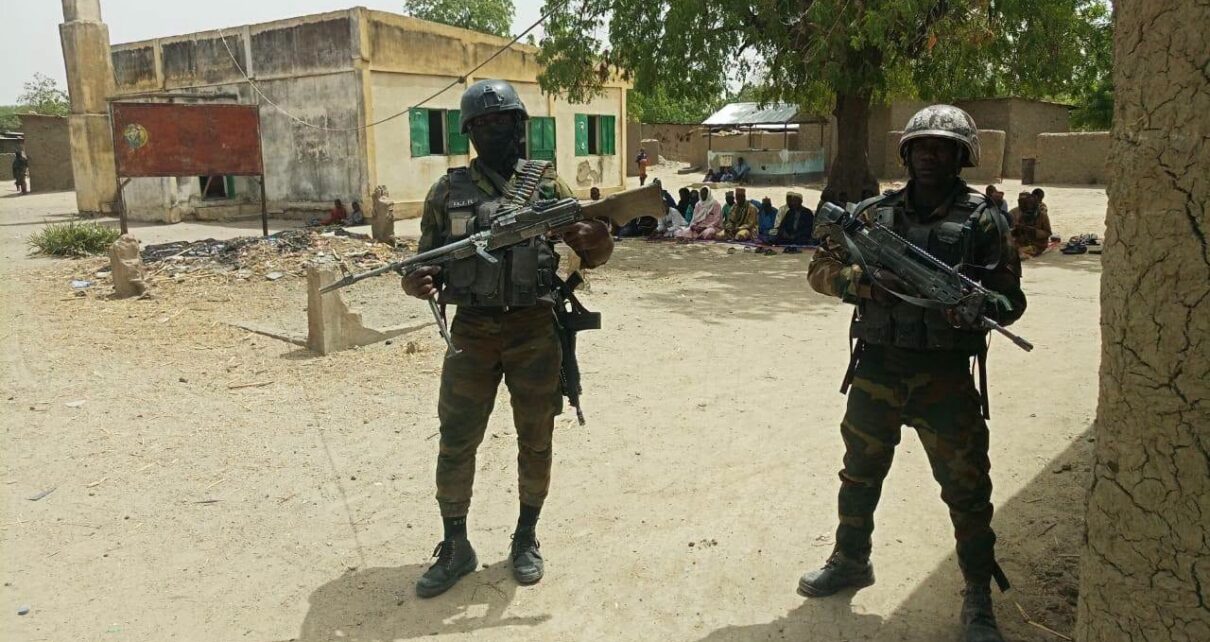
BIR steps up protection of worship places amid Boko Haram threats
In response to rising terrorism threats from Boko Haram, the Rapid Intervention Battalions (BIR) have intensified security measures around places of worship.
In the ongoing battle against terrorism, particularly against Boko Haram’s persistent threats, the Rapid Intervention Battalions (BIR) through Operation Alpha have prioritized the security of worship centers.
Places of worship, frequently targeted by terrorist groups aiming to spread fear and undermine social cohesion, now benefit from enhanced surveillance and tailored protective measures.
Through regular patrols, visible deterrence, and heightened vigilance during religious gatherings, Operation Alpha works to prevent attacks and ensure worshippers can practice their faith safely. This initiative underscores the BIR’s unwavering commitment to safeguarding communities, upholding religious freedom, and fostering lasting peace and stability.
Key insight: The Rapid Intervention Battalion (BIR) is Cameroon’s elite military unit, reporting directly to the President. Backed by the United States, the BIR combats Boko Haram insurgents in northern Cameroon and separatist factions in western regions.
The BIR’s budget operates outside the Defense Ministry’s allocations, and its exact funding remains undisclosed. Reports suggest financing is channeled through the national hydrocarbons company (SNH). Recognizable by its lion emblem flag, the BIR’s headquarters in Yaoundé is colloquially known as Bastos, named after the neighborhood where it resides.
Established in 2001 and expanded in 2008, the BIR initially comprised three battalions, one per inter-arms military region. Each battalion reportedly included an intervention unit of 145 personnel, a 37-member command and special support section, a 37-member special intervention unit, a 97-member command and support group, and a light intervention squad.
Be the first to comment




Comments