Understanding the Ndiaga Seck controversy as Senegal’s political landscape heats up
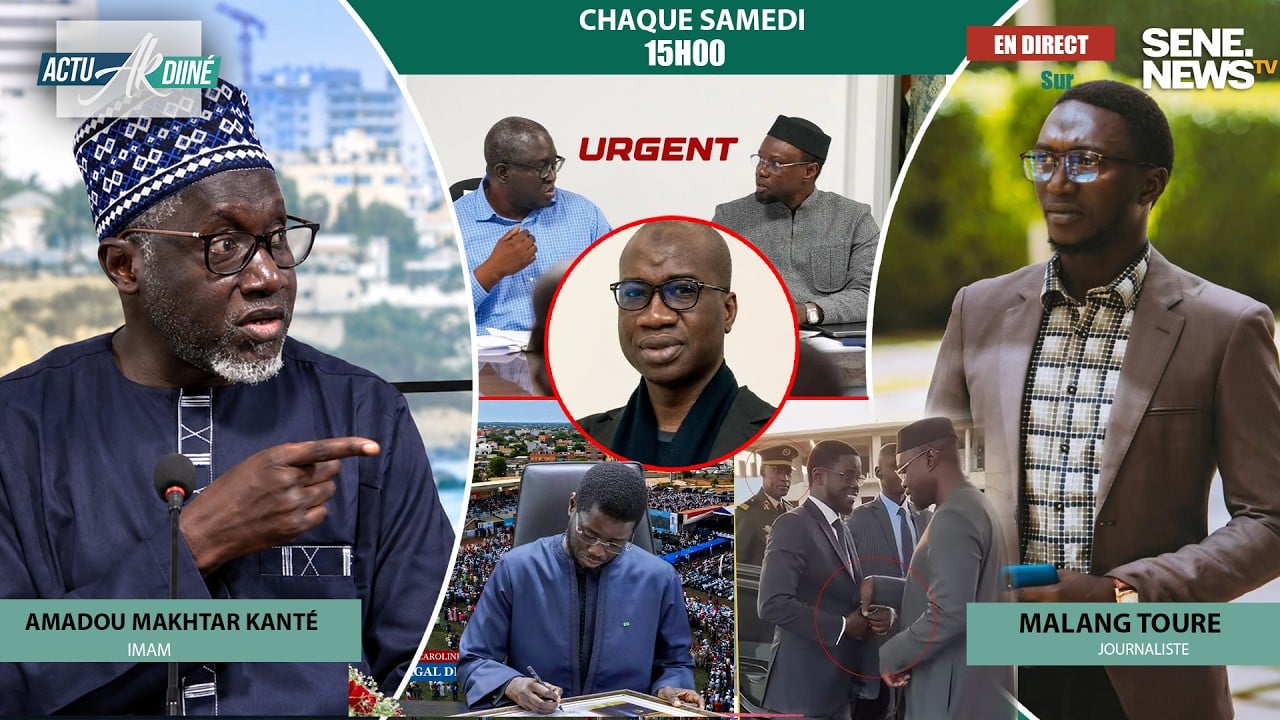
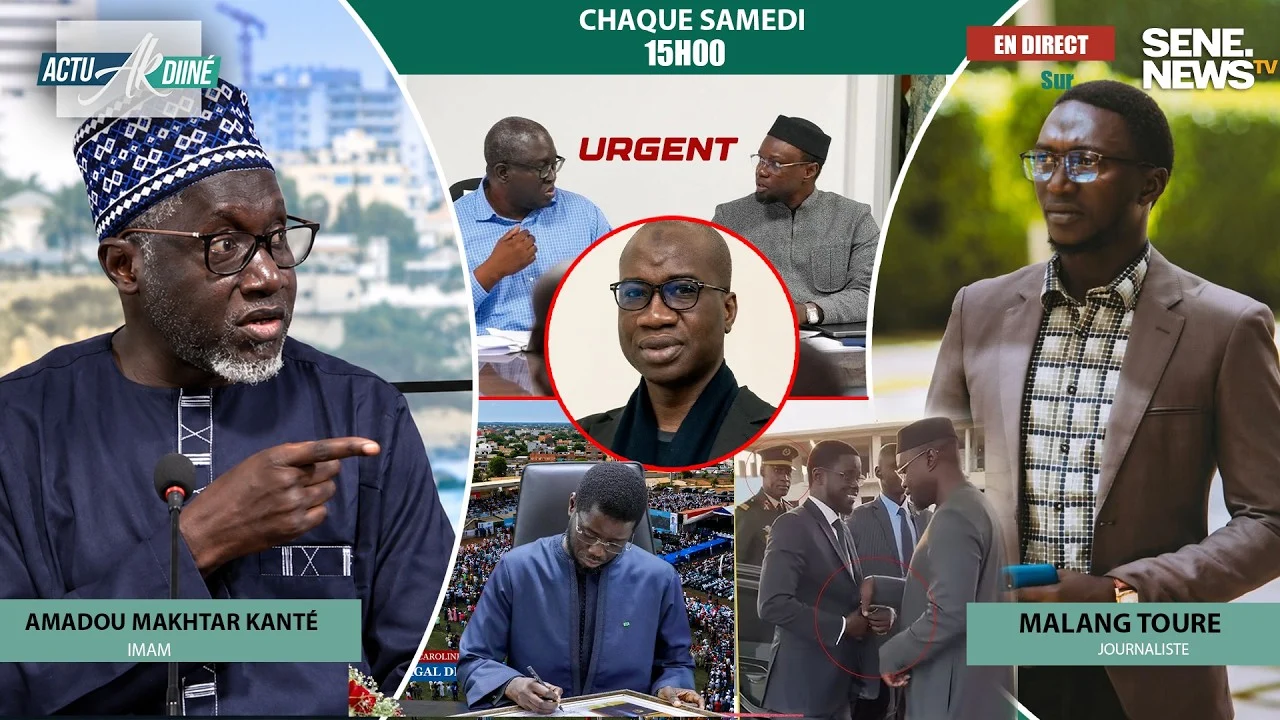
As the nation braces for pivotal elections, the unfolding Ndiaga Seck scandal has become a focal point of national debate. In a recent televised analysis, political commentator Imam Kanté dissected the implications of this high-stakes affair and its potential impact on Senegal’s electoral dynamics.
Key developments in the Ndiaga Seck case
The scandal surrounding Ndiaga Seck has intensified, with multiple high-profile figures now entangled in the controversy. Recent revelations have exposed Amadou Lamine Dia’s controversial statements, which have sent shockwaves through political circles. As legal proceedings advance, the nation watches closely to see how this case will shape the electoral narrative.
The political chessboard: Ousmane Sonko’s strategic moves
With elections on the horizon, Ousmane Sonko, a prominent opposition leader, is making calculated moves to strengthen his position. Reports indicate a high-level meeting with the Pastef military leadership, signaling a potential alliance aimed at consolidating support. Meanwhile, the newly elected president, Bassirou Diomaye Faye, has taken decisive action by signing the electoral code into law, setting the stage for a transparent voting process.
Public reactions and societal impact
The Ndiaga Seck affair has ignited widespread discussions, with citizens and analysts weighing in on its broader consequences. Questions arise about governance, accountability, and the integrity of the electoral process. As the nation grapples with these challenges, the timing of these developments—amidst preparations for Tabaski—adds another layer of complexity to the public discourse.
What’s next for Senegal’s political future?
The coming weeks will be critical as stakeholders navigate the fallout from the Ndiaga Seck scandal. With legal, political, and social dimensions at play, the outcome could redefine Senegal’s trajectory. Stay tuned for further updates as this story continues to unfold.