Burkina Faso severs diplomatic relations with France amid escalating tensions
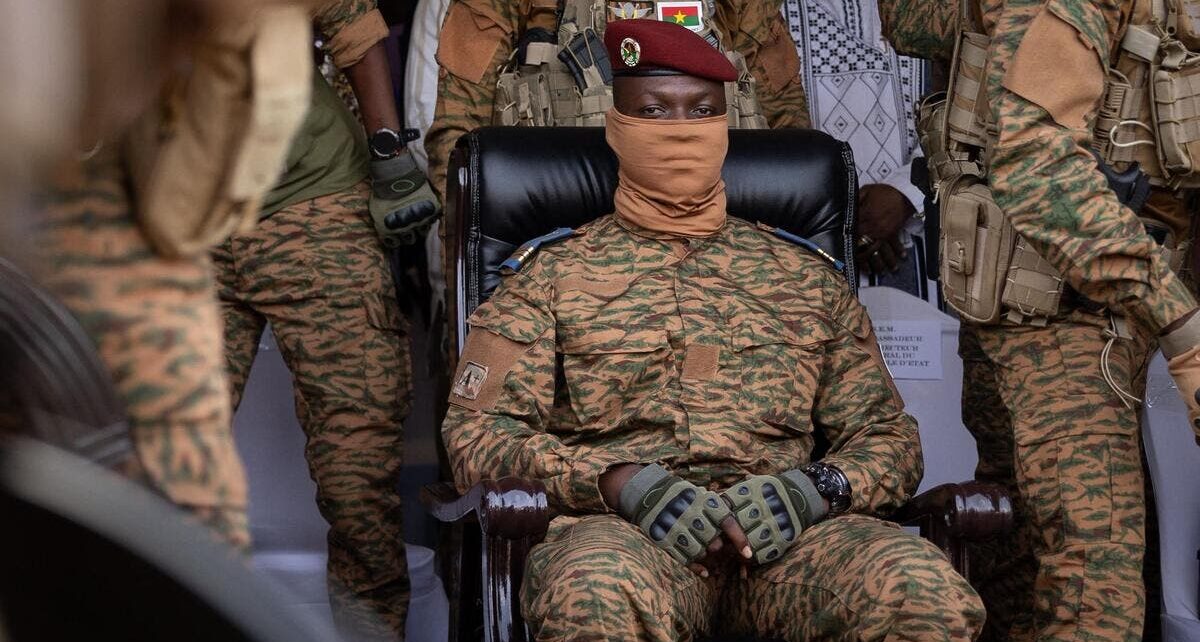
A dramatic shift in Sahel politics. Burkina Faso’s military regime, led by Captain Ibrahim Traoré, has officially severed diplomatic ties with France, accusing Paris of persistent interference in its affairs. This decisive move marks a definitive break from the post-coup political trajectory initiated in 2022.
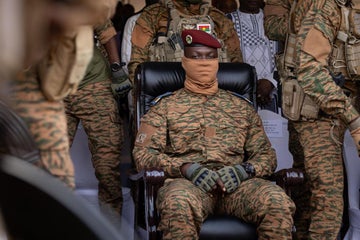
Following years of strained relations, Burkina Faso’s military regime has formally severed diplomatic ties with France, accusing Paris of « relentless interference » in its sovereign affairs.
Relations between Ouagadougou and Paris have deteriorated sharply since Captain Ibrahim Traoré seized power in a coup in September 2022.
Since then, the military government has pursued a distinctly anti-Western course, cracking down on dissent and distancing itself from traditional partners, especially France.
Ouagadougou denounces France’s « relentless interference »
« The Government of Burkina Faso notifies the national and international community of its decision to sever diplomatic relations with the French Republic, effective from 26 June 2026 », a government communiqué announced on national television.
The military junta condemned « France’s unrelenting interference in Burkina Faso’s national interests, its openly neocolonial ambitions, and its active support for subversive networks and terrorist groups that continue to destabilize the country and the wider Sahel region ».
The official statement clarified that this decision « solely targets the formal diplomatic framework between the two states » and « does not affect the deep historical, cultural, and social bonds uniting the Burkinabè and French peoples ». The government also pledged to « ensure the safety of all foreign nationals » within its territory.
Paris responds with regret and firmness
France swiftly expressed its « regret » over what it called a « hostile and baseless » decision by the Burkinabè authorities. The statement described this move as « evidence of the alarming drift of Burkina Faso’s military leadership », adding that « reciprocal measures are under consideration ».
According to French authorities, over 2,000 French citizens are registered with the consulate in Burkina Faso, while more than 6,000 Burkinabè nationals reside in France.
This announcement coincides with Burkina Faso’s decade-long struggle against deadly jihadist violence, fueled by armed groups linked to Al-Qaeda and the Islamic State organization.
Earlier this week, the European Union’s ambassador to Burkina Faso, Philippe Bronchain, was summoned to Ouagadougou following the adoption of a critical resolution by the European Parliament.
A hardening political stance and new alliances
As early as 2023, Burkina Faso demanded the recall of France’s ambassador, Luc Hallade, rejected defense agreements, and secured the withdrawal of French special forces deployed in counter-jihadist operations.
Several foreign media outlets, predominantly French (Jeune Afrique, LCI, France 24, TV5 Monde, RFI), have faced temporary or permanent suspensions.
In response, France suspended its development aid, budgetary support, and student visa issuance for Burkinabè, Malian, and Nigerien nationals.
These three Sahelian nations, now led by military juntas, have left ECOWAS to form the Alliance of Sahel States (AES) and are pivoting toward new military partners, primarily Russia, Turkey, and Iran.
Domestically, Traoré’s junta has tightened its authoritarian grip. Journalists, judges, and critical civil society members have faced abductions or forced conscription into the war effort.
On Thursday, the government imposed a new restriction: Burkinabè students seeking to study abroad must now obtain prior approval from the relevant ministry.