Burkina Faso ends diplomatic ties with France under Ibrahim Traoré
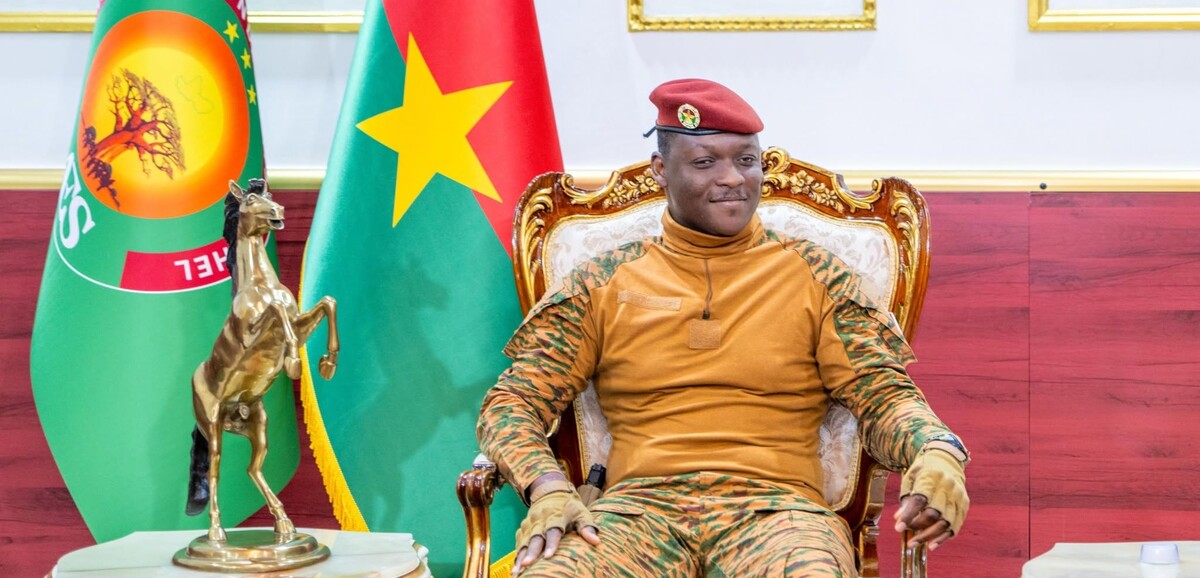
Ouagadougou — The Government of Burkina Faso has officially announced the immediate termination of its diplomatic relations with France, marking a decisive shift in the country’s foreign policy under Captain Ibrahim Traoré’s leadership.
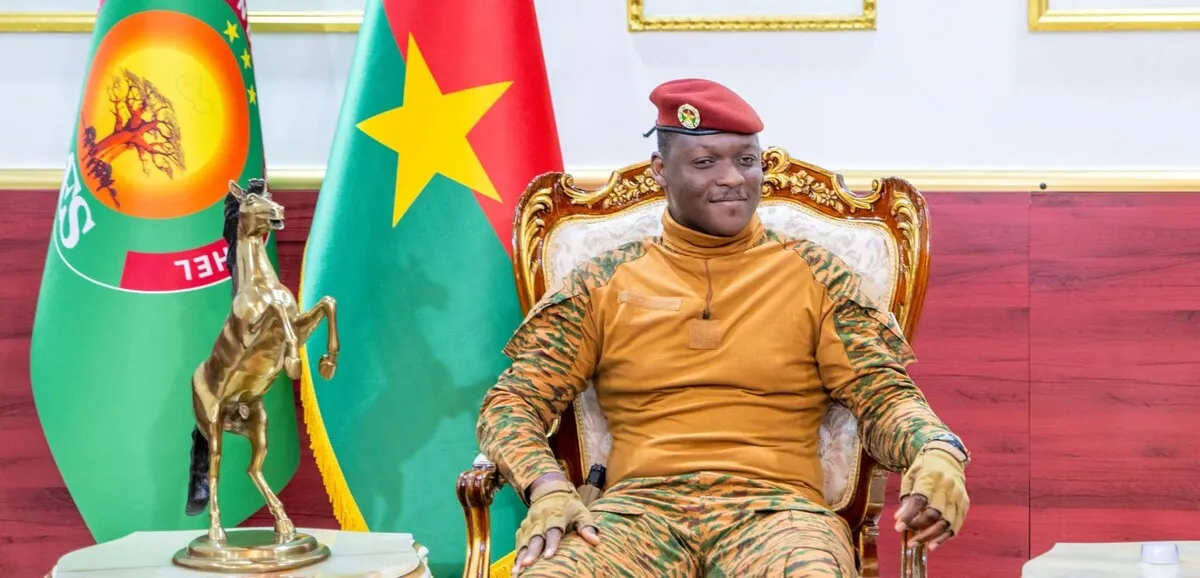
The decision, disclosed through a televised address, underscores Burkina Faso’s commitment to sovereign autonomy and redefines the nation’s diplomatic landscape. Authorities in Ouagadougou accused France of pursuing persistent interference in the country’s internal affairs, branding the actions as neo-colonial ambitions.
Tensions between the two nations have escalated since the military takeover in September 2022, culminating in today’s decisive break. The Burkinabè government clarified that the rupture applies solely to state-level diplomatic relations, leaving intact the historic and cultural bonds between the peoples of Burkina Faso and France.
Paris responds with sharp criticism
French authorities swiftly condemned the move, labeling the decision unfounded and hostile. The French Foreign Ministry expressed regret over the termination, which it deemed incompatible with regional stability.
Traoré’s sovereignty-driven foreign policy
Since seizing power, Captain Ibrahim Traoré has systematically restructured Burkina Faso’s international alliances. Key measures included:
- The expulsion of French military forces from Burkinabè territory in 2023;
- The denunciation of military cooperation agreements with Paris;
- The recall of France’s ambassador to Burkina Faso.
Parallel to these actions, several international media outlets, primarily French, have faced suspension or outright bans. Foreign journalists have also been compelled to leave the country, reflecting the regime’s tightening control over information flows.
A regional domino effect
The rupture is not an isolated incident but part of a broader geopolitical realignment across the Sahel. Burkina Faso, alongside Mali and Niger—all governed by military juntas—has withdrawn from the Economic Community of West African States (ECOWAS) to form the Alliance of Sahel States (AES). This bloc seeks to foster independent regional cooperation devoid of external influence.
Domestically, Ibrahim Traoré’s administration has further consolidated power, imposing restrictive measures on journalists, civil society leaders, religious figures, and student organizations. Human rights advocates have repeatedly denounced these crackdowns as violations of fundamental freedoms.
The severance of diplomatic ties with France represents a landmark moment in Burkina Faso’s foreign policy. Analysts anticipate far-reaching consequences for diplomatic and security dynamics across West Africa, reshaping alliances and power balances in the region.
- Burkina Faso
- France
- West Africa
- Sahel
- Ibrahim Traoré
- Alliance of Sahel States (AES)