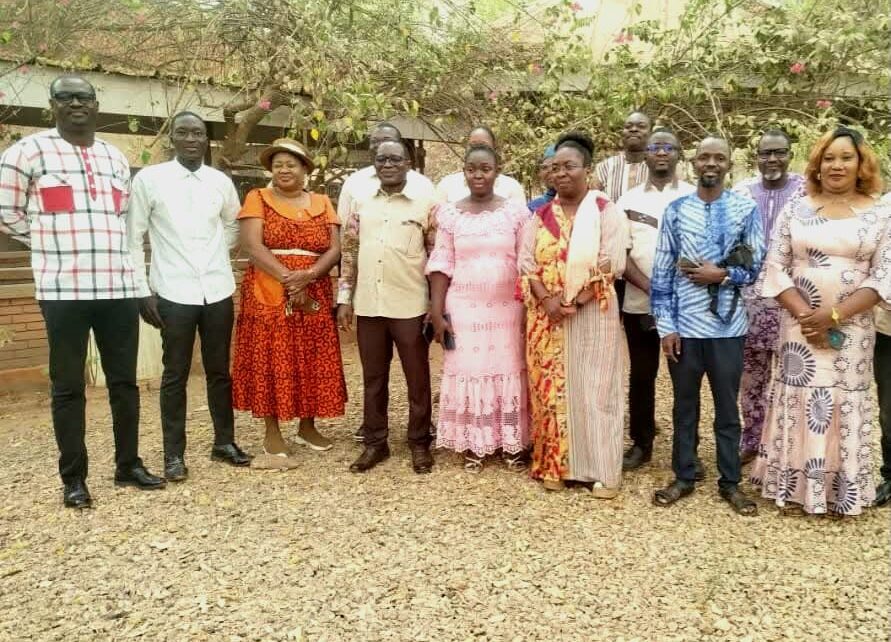
The African Media Network for Health and Environment Promotion (REMAPSEN) recently hosted a pivotal discussion in Burkina Faso, addressing a pressing concern: « How can local financing sustain sexual and reproductive health (SRH) services amid shrinking international aid and growing security challenges? »
With external funding for SRH plummeting, Burkina Faso faces a critical hurdle—maintaining essential health services for its population. Official records reveal that up to 81% of SRH funding previously came from international partners, a figure that has since dwindled, leaving local stakeholders scrambling for alternative solutions.
Community-led funding: the way forward
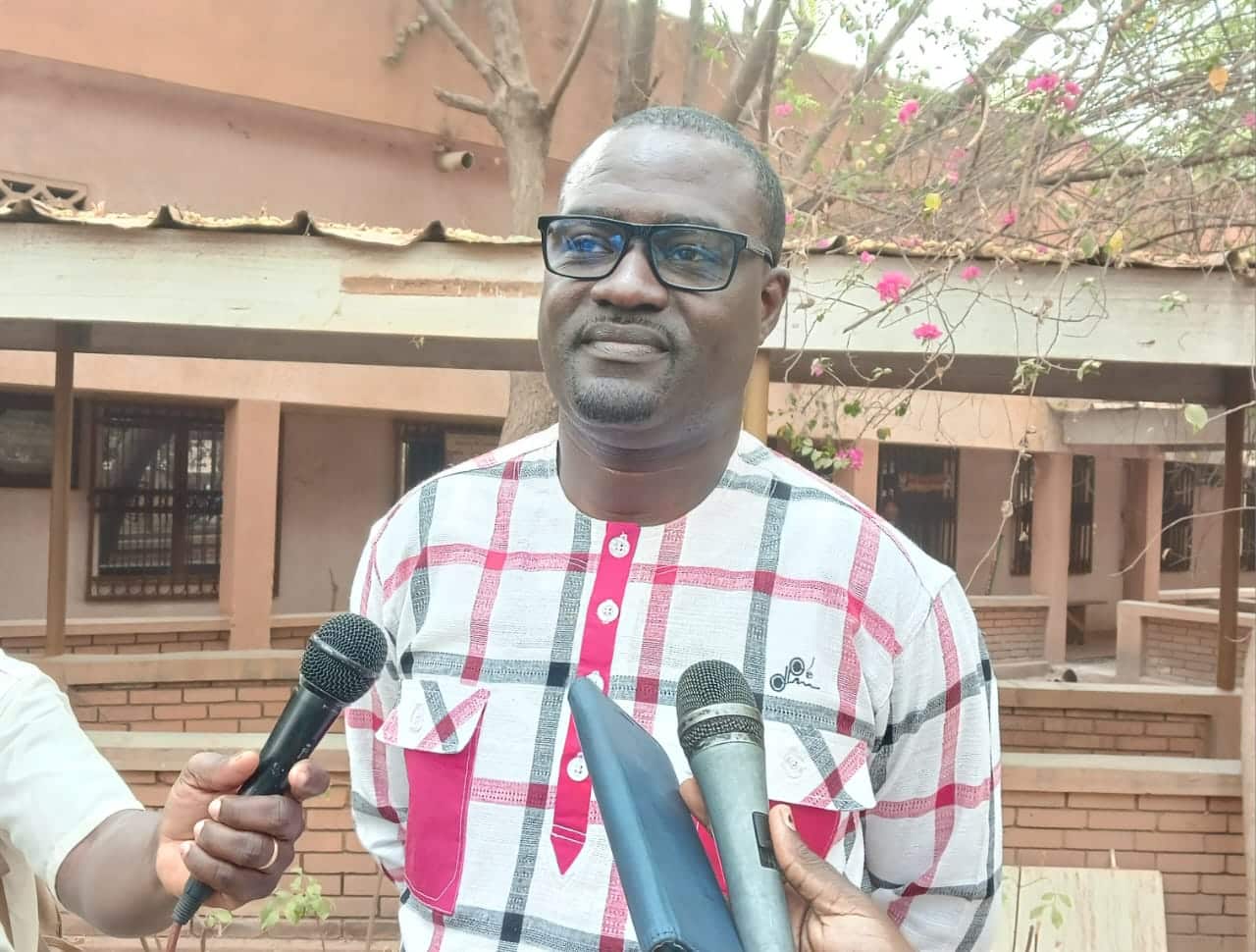
Désiré Thiombiano, Executive Director of AMS Synergie Burkina Faso, emphasized the urgent need for grassroots involvement. « Waiting for international partners to step in is no longer an option. Communities must take charge of their sexual health to prevent early pregnancies, child marriages, and maternal deaths, » he urged.
Thiombiano outlined a three-pronged strategy to mobilize local resources:
- Community awareness: educating populations on the importance of self-funding for SRH services.
- Positive masculinity: engaging religious and opinion leaders to champion SRH advocacy.
- Institutionalized local collection: establishing transparent, community-managed funds through local governments for sustainable financing.
Dr. Clarisse Bougma, representing the Director of Family Health, highlighted government efforts to bridge the gap. Between 2020 and 2025, the state invested nearly 3.9 billion CFA francs in contraceptive supplies, despite reduced external support. She stressed the need for continued investment, particularly in hard-to-reach areas.
You may also like
👉 Sexual and Reproductive Health: Enhancing Skills of Journalists and Communicators in Burkina Faso
« Prioritizing endogenous resource mobilization is vital. It ensures long-term sustainability and accelerates progress toward global health targets, » she noted.
Boureima Sanga, REMAPSEN Coordinator in Burkina Faso, framed the event as part of a broader advocacy and capacity-building initiative for journalists. « In times of multiple crises, media professionals must understand local financing mechanisms to raise public awareness and bolster health sovereignty, » he asserted.
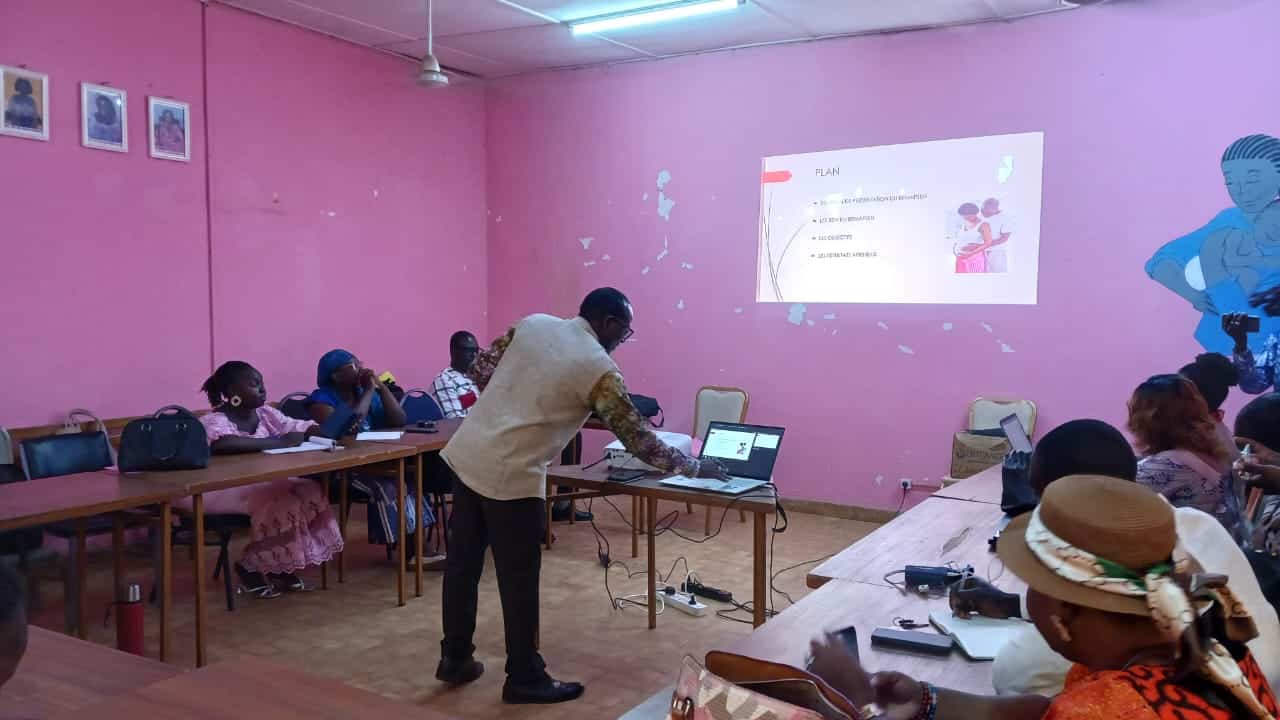
Founded in June 2020, REMAPSEN regularly organizes national forums in collaboration with the Ouagadougou Partnership, advocating for homegrown, resilient health solutions.