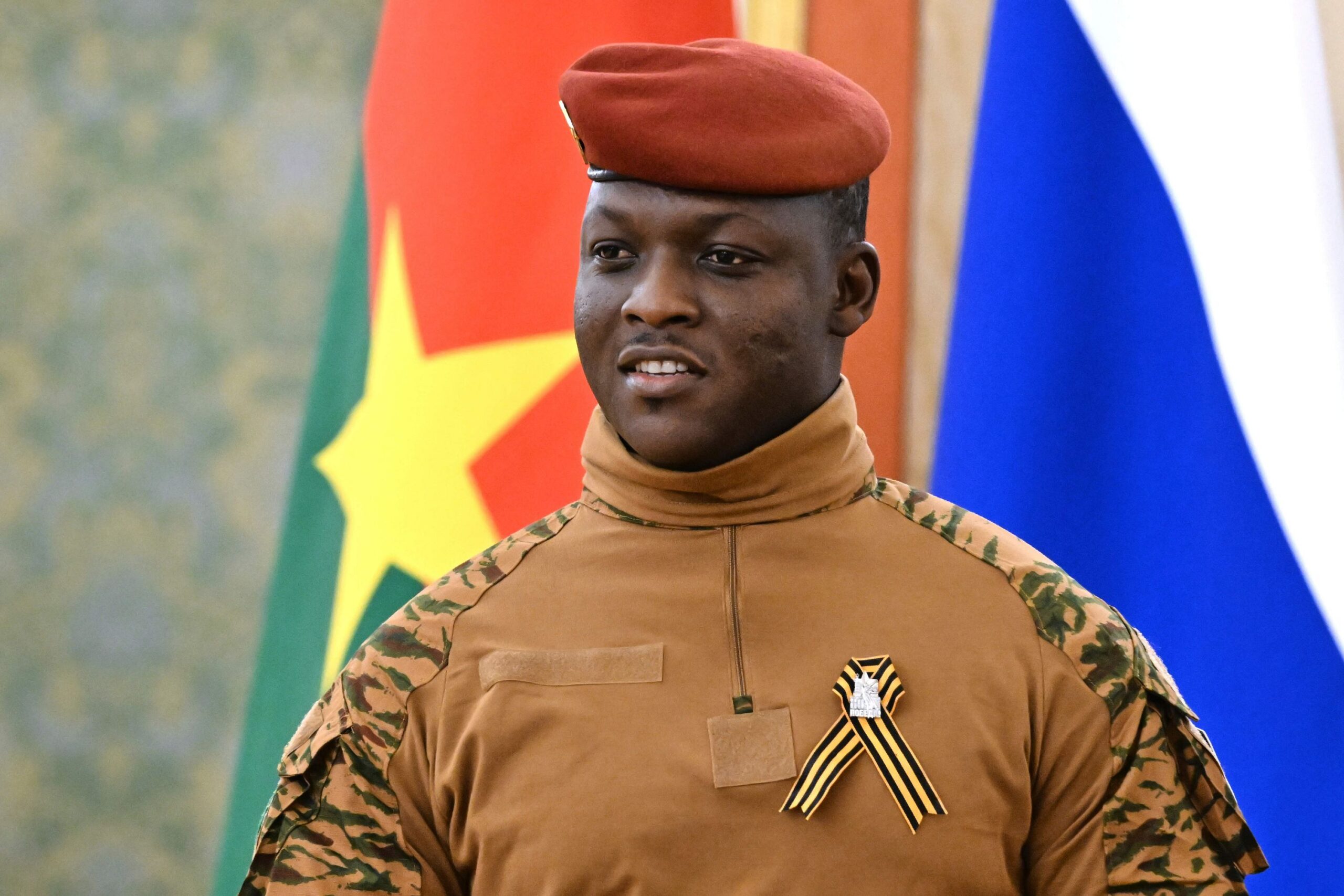
Burkina Faso leader challenges historical arab slavery and radical islam
In a televised address, Burkina Faso’s head of state, Ibrahim Traoré, publicly addressed centuries of Arab-led slavery imposed on African populations. His remarks have sparked significant debate across the Muslim world.
The speech delivered by Captain Ibrahim Traoré, who has led Burkina Faso since September 2022, marks a rare moment of reckoning with a painful historical chapter that has long remained unspoken in many African and Muslim circles. He directly confronted the legacy of trans-Saharan slave trades orchestrated by Arab powers between the 7th and 20th centuries, during which millions of Africans were forcibly taken from their homelands.
Traoré framed his intervention not merely as historical reflection but as a deliberate challenge to what he described as the “ideological foundations” of radical Islam operating in the Sahel today. He argued that certain interpretations of Islamic doctrine have been weaponized to justify modern forms of oppression, including extremist violence and systemic marginalization of African Muslim communities.
Reactions across the Muslim world
His statements have triggered a wave of reactions, particularly among conservative Islamic scholars and organizations. Critics argue that Traoré’s remarks risk fueling sectarian tensions and undermine efforts toward regional stability. Others, however, praise his courage in addressing a long-avoided historical injustice, seeing it as a necessary step toward decolonizing narratives about Islam in Africa.
The Burkinabè president did not limit his critique to the past. He linked historical slavery to contemporary issues, asserting that radical Islamic movements in the Sahel region—such as those affiliated with Al-Qaeda and the Islamic State—are rooted in the same exploitative worldview that once sanctioned the trans-Saharan slave trade. He called for a theological and educational reformation within African Muslim communities to counter extremist ideologies.
Regional implications
Traoré’s speech has resonated beyond Burkina Faso’s borders, drawing attention from neighboring countries like Mali and Niger, where similar debates over identity, religion, and governance are unfolding. While some governments have distanced themselves from his comments, civil society groups and intellectuals have begun revisiting long-held assumptions about Islam’s role in African history.
The Burkinabè leader’s bold stance underscores a growing trend among younger African leaders who are challenging both colonial legacies and post-colonial religious narratives. His words have not only reignited discussions about reparative justice but also highlighted how historical grievances continue to shape modern political and security landscapes in the Sahel.