Published today at 9:16 PM, updated at 9:27 PM Reading time: 1 minute.
File generated on
Burkina Faso takes bold step by cutting ties with France
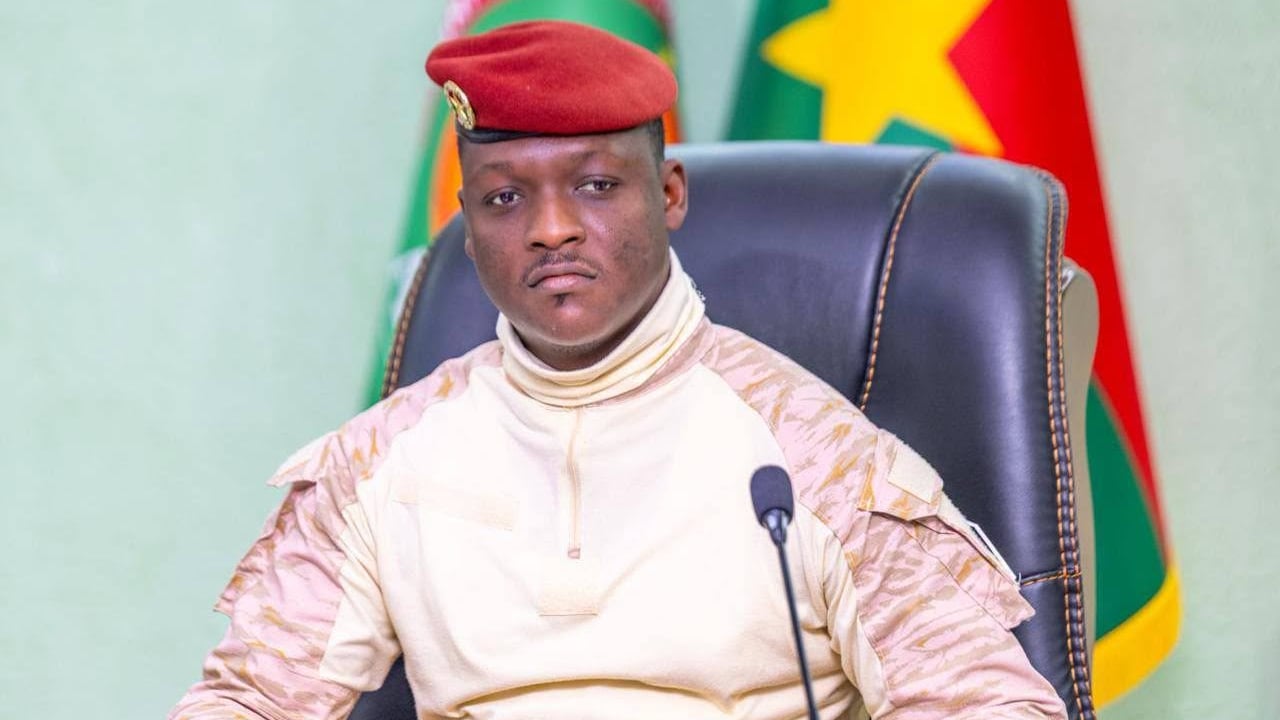
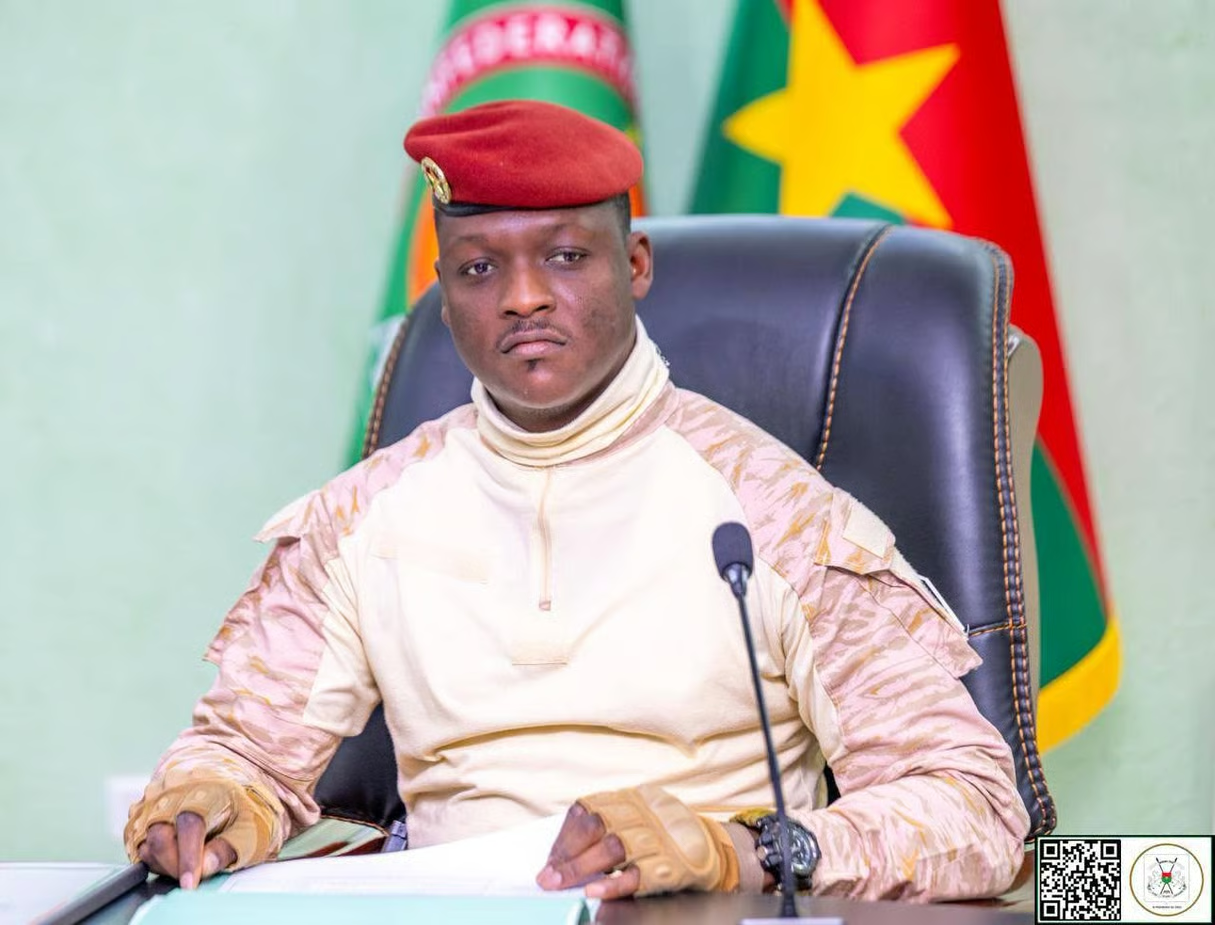
The government of Burkina Faso has officially declared the suspension of all diplomatic relations with France, marking a dramatic escalation in the ongoing tensions between the two nations. This unprecedented decision, announced by President Ibrahim Traoré, reflects growing frustrations over France’s military, political, and economic influence in the region.
In a televised address from Ouagadougou, President Traoré stated that the move was necessary to reclaim Burkina Faso’s sovereignty and protect its national interests. The announcement comes after months of strained relations, fueled by disagreements over security cooperation, resource management, and perceived interference in domestic affairs.
What led to this decision?
The break in diplomatic ties follows a series of contentious issues that have strained Burkina Faso’s relationship with its former colonial power. Key factors include:
- Military cooperation disputes: Burkina Faso has increasingly criticized France’s role in regional security operations, accusing it of failing to deliver on promises of support while maintaining a dominant presence.
- Economic grievances: The government has highlighted unfair trade practices and exploitative economic agreements that it claims have hindered Burkina Faso’s development.
- Political tensions: Burkina Faso’s leadership has accused France of undermining its political autonomy, particularly through perceived support for opposition groups and interference in internal governance.
Implications for the region
The severing of ties with France is expected to have far-reaching consequences for both countries and the broader West African region. For Burkina Faso, the decision signals a strategic pivot toward alternative allies, including Russia and neighboring African nations. Meanwhile, France faces the challenge of recalibrating its influence in a region where anti-colonial sentiment is on the rise.
Analysts warn that this move could further destabilize the Sahel, where security challenges are already mounting. The decision may also encourage other countries in the region to reassess their relationships with former colonial powers.
Next steps for Burkina Faso
With diplomatic channels now closed, Burkina Faso is expected to expedite efforts to strengthen ties with non-Western partners. The government has indicated plans to renegotiate trade agreements and seek alternative security partnerships to fill the void left by France.
President Traoré emphasized that Burkina Faso remains committed to regional stability but will no longer tolerate foreign interference. “Our priority is the well-being of the Burkinabe people, and we will pursue policies that serve our national interests without compromise.”
As the situation develops, the international community will closely monitor the implications of this historic diplomatic rupture.