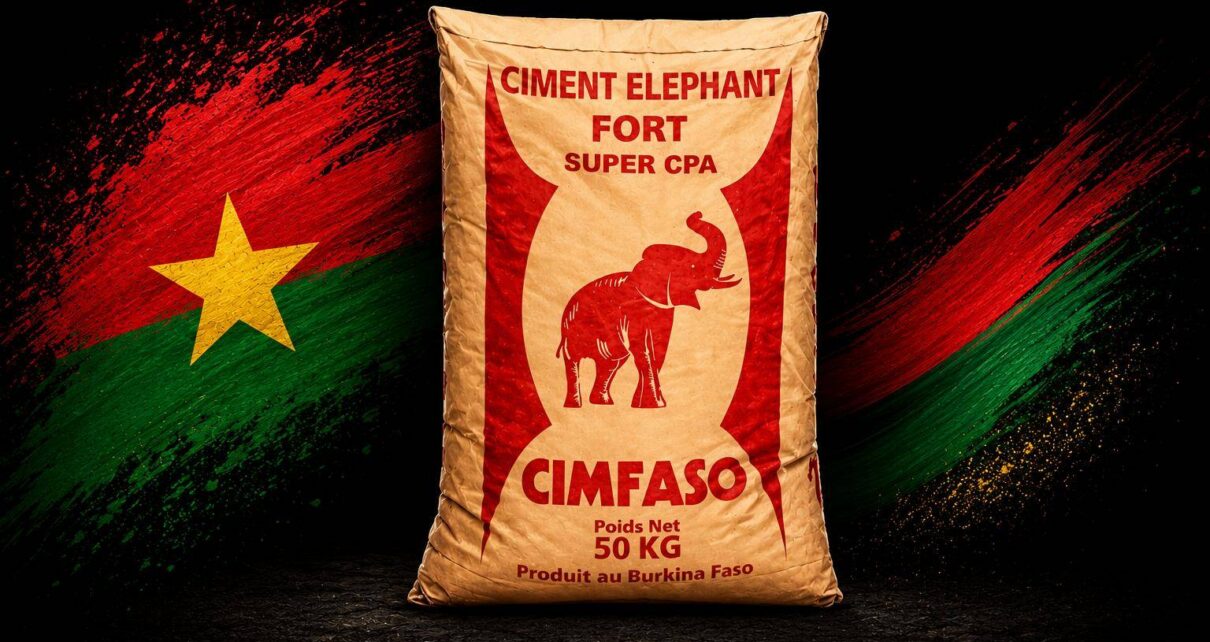
Understanding Burkina Faso’s cement price surge and its real causes
The soaring cost of cement in Burkina Faso has become a major economic burden for households and businesses alike. With prices reaching record highs, the construction sector is grinding to a halt, stifling national development. While authorities point to the Faso Mêbo community initiative as the main culprit, this explanation fails to address the deeper structural issues plaguing the country’s cement supply chain.
Faso Mêbo: A symbolic initiative with questionable economic impact
The Faso Mêbo program, framed as a grassroots development effort, relies heavily on voluntary labor, local donations, and community-led construction projects. While its intent—to mobilize citizens in nation-building—is commendable, the practical challenges undermine its long-term viability. Many of these projects, ranging from road paving to public buildings, are executed without adherence to engineering standards or sustainable maintenance plans. Without proper oversight and guaranteed upkeep, there is a real risk that these infrastructures will deteriorate prematurely, wasting valuable resources.
Furthermore, by prioritizing community-driven projects over private sector engagement, the initiative inadvertently undermines local small and medium-sized construction enterprises. These businesses not only create stable employment but also contribute to the national tax base. Shifting focus away from them risks weakening the very pillars of Burkina Faso’s economic resilience.
Why blaming Faso Mêbo for cement shortages misses the mark
Even if we accept that Faso Mêbo consumes significant cement supplies, attributing the entire price hike to this program is both illogical and economically unsound. In a well-functioning state, large-scale initiatives are planned with industrial capacity in mind. The fact that cement prices have surged suggests a failure in strategic foresight—one that cannot be excused by pointing fingers at community projects.
The root causes of Burkina Faso’s cement crisis run far deeper than any single program:
- Energy shortages crippling production: Local cement plants struggle to operate at full capacity due to chronic electricity shortages and frequent power cuts. Without a reliable energy supply, production slows, and supply dwindles.
- Self-inflicted trade barriers: Strict import restrictions on cement, intended to protect domestic producers, have backfired. Many local factories lack the energy or infrastructure to meet demand, creating artificial scarcity.
- Systemic black-market profiteering: The resulting shortages have fueled a thriving black market for cement, where speculators exploit the situation. Despite efforts by the Ministry of Trade to regulate prices, enforcement remains weak, allowing profiteers to dictate terms.
The government’s flawed narrative
The official stance—that Faso Mêbo is solely responsible for the cement crisis—reveals a troubling disconnect between policy and reality. If the program’s impact on the cement market is minimal, then it cannot justify the price surge. Conversely, if it is as large-scale as claimed, then the government’s failure to anticipate and plan for such demand highlights a critical lapse in economic governance.
Rather than deflecting blame, authorities must confront the systemic inefficiencies that have led to this crisis. The cement shortage is not a byproduct of patriotism or community spirit. It is the direct result of poor strategic planning, energy mismanagement, and protectionist policies that have crippled the very industries they were meant to support.
For Burkina Faso to overcome this challenge, a shift toward sustainable, market-driven solutions is essential. That means investing in energy infrastructure, fostering private sector growth, and abandoning protectionist measures that do more harm than good. Until then, the cement crisis will continue to cast a long shadow over the country’s economic recovery.