From family ties to political influence
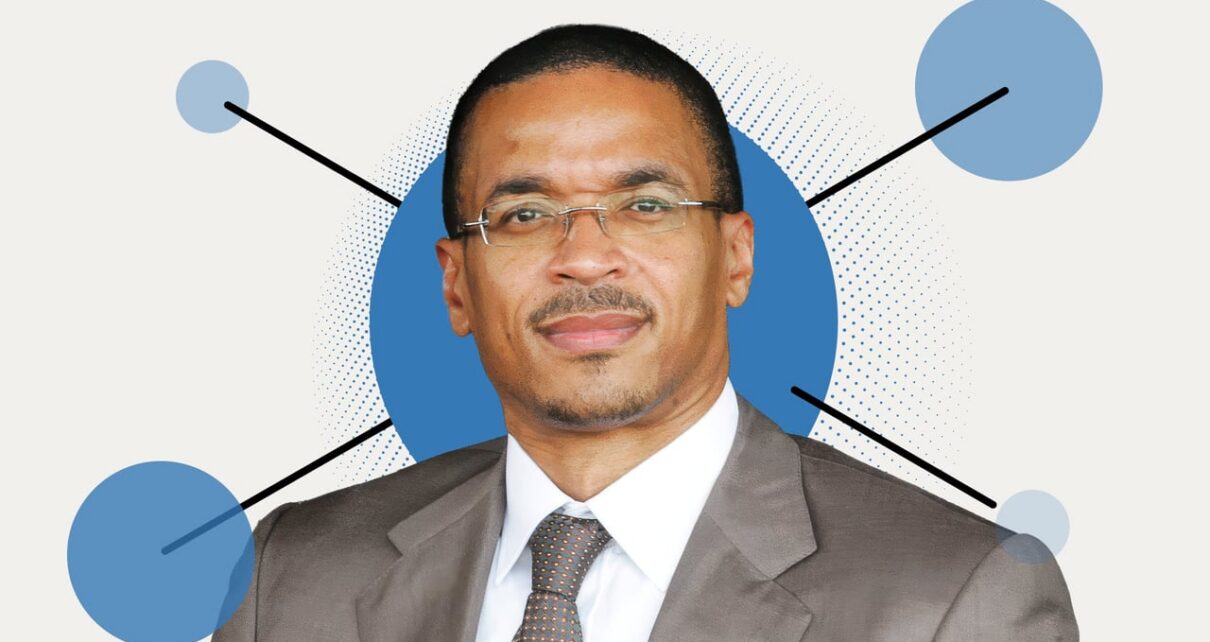
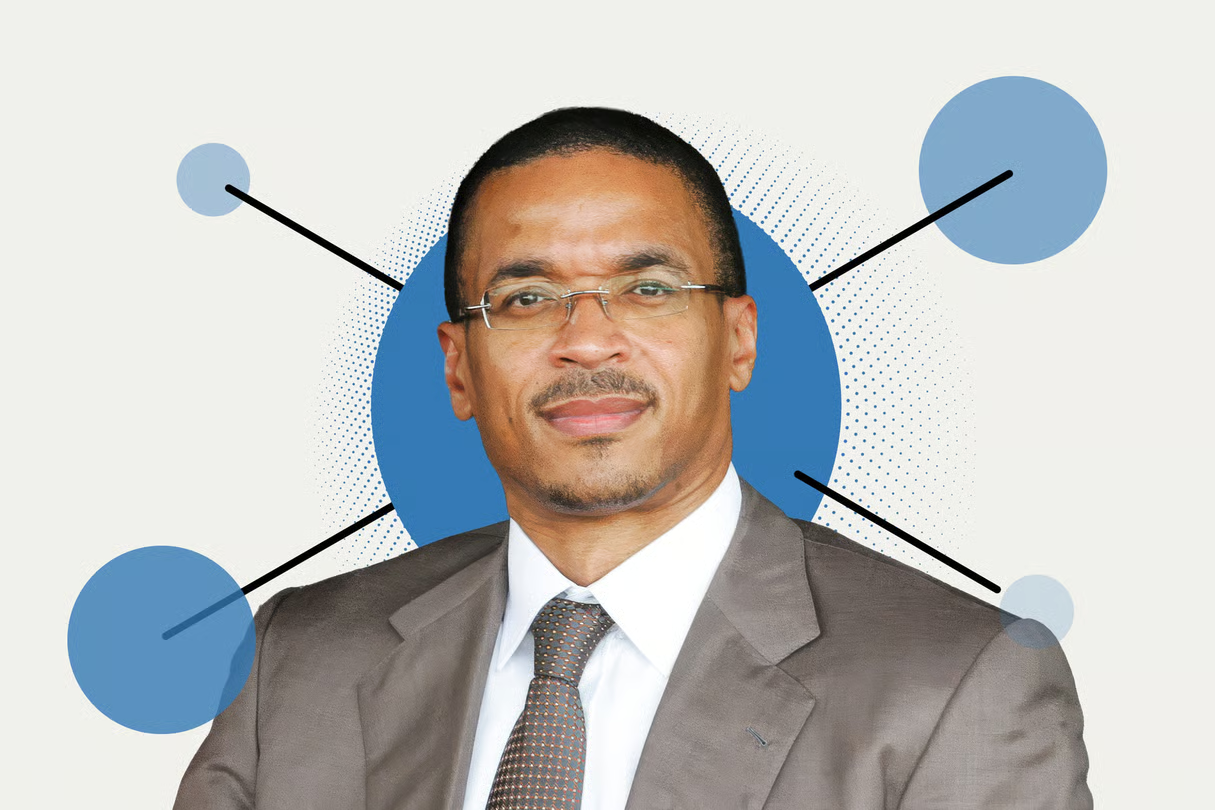
The son of Cameroon’s long-serving President Paul Biya is steadily carving out a significant role in the country’s political hierarchy. Franck Biya, whose mother Chantal Biya remains a prominent figure in the First Lady’s circle, has increasingly become a focal point in discussions about Cameroon’s future leadership.
A rising figure in Cameroon’s political scene
With decades of experience under his father’s administration, Franck Biya has cultivated a network of allies across key sectors. His positioning as a potential vice-presidential candidate has sparked widespread speculation, particularly as the nation prepares for pivotal political transitions. Observers note his growing visibility in state affairs and high-profile engagements.
The Biya dynasty’s enduring legacy
The Biya family has dominated Cameroon’s political landscape for over four decades. President Paul Biya, now one of Africa’s longest-serving leaders, has maintained tight control over state institutions. Franck Biya’s emergence aligns with broader efforts to sustain the family’s influence, even as public calls for generational change grow louder.
Public perception and political strategy
While some view Franck Biya as a natural successor, others question the legitimacy of a hereditary political transition. Critics argue that his rise reflects entrenched elitism rather than democratic progress. Supporters, however, highlight his diplomatic experience and administrative acumen as assets Cameroon cannot afford to overlook.
What’s next for Franck Biya’s political trajectory?
As Cameroon navigates economic challenges and regional instability, the role of the Biya family remains a central topic. Whether Franck Biya will officially step into a higher office—or whether his influence will continue to shape policies behind the scenes—remains one of the country’s most debated questions.