Ouagadougou’s strategic pivot toward Moscow raises questions about true independence
The transition government led by Captain Ibrahim Traoré has made no secret of its ambition: to reclaim Burkina Faso’s national sovereignty. A narrative that resonates strongly with a youthful population eager to break free from the legacy of French colonialism. Yet the rapid and unconditional embrace of Russia as a new strategic partner is casting doubt on the authenticity of this pursuit. Far from achieving autonomy, the current trajectory suggests a mere transfer of economic and military dependence, exposing the fragility of Ouagadougou’s proclaimed sovereignty.
Financial asymmetry: a high price for alleged protection
The recent negotiations surrounding the security and management of Burkina Faso’s most vital resource—gold, which accounts for nearly 80% of the country’s export earnings—highlight the government’s growing vulnerability. By accepting Russian-backed arrangements that impose disproportionate financial or logistical conditions, the Burkinabè state is undermining its own economic foundations. Entrusting the control, storage, or concessions of its natural wealth to foreign entities under the pretext of shielding them from Western influence represents a historical misstep. A truly sovereign nation does not secure its riches by surrendering to another superpower; it builds internal mechanisms to ensure self-reliance. Paying a premium to Moscow to safeguard its gold reserves is no longer cooperation—it is a form of tribute.
Security dependence: the risks of outsourcing defense
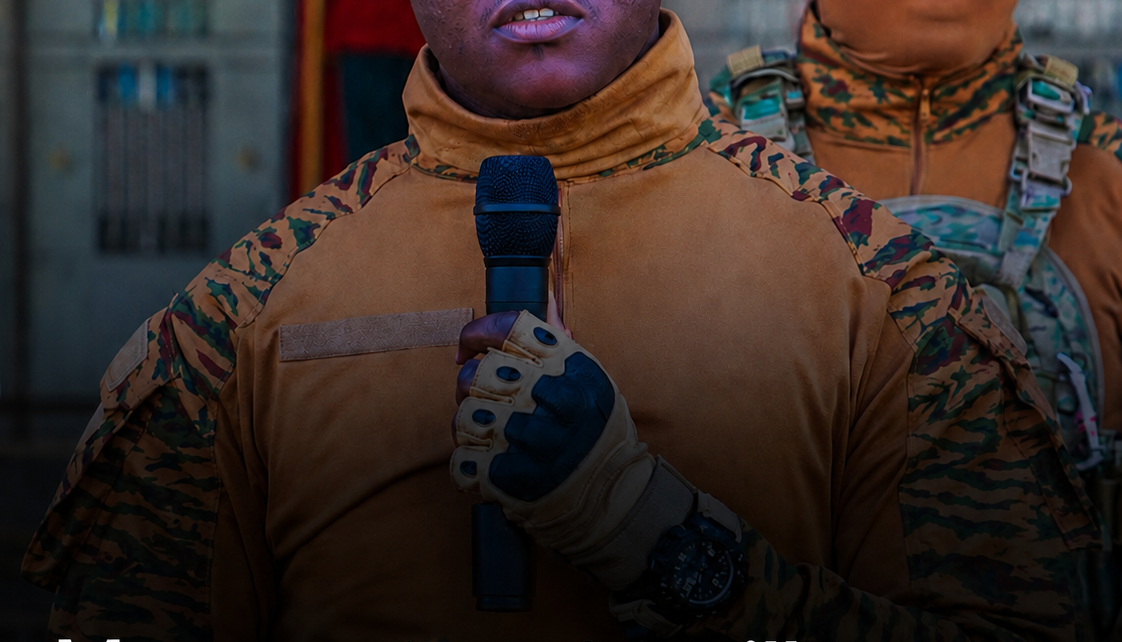
The shift toward Russia, exemplified by the deployment of military instructors and paramilitary forces (formerly Wagner Group, now rebranded under Africa Corps), was meant to swiftly tip the balance against armed terrorist groups. However, the financial burden of this military assistance is crippling the national budget, while tangible security gains remain elusive. Recent waves of unprecedented violence, including deadly attacks on the Armed Forces and Security Forces (FDS), underscore the lack of lasting stability. By tethering Burkina Faso’s security to the Kremlin’s geopolitical agenda—a Kremlin already preoccupied with its own conflicts—Ouagadougou risks placing itself in a precarious position of subordination. Should Russia reallocate its priorities or escalate its demands, what leverage will Burkina Faso possess to push back?