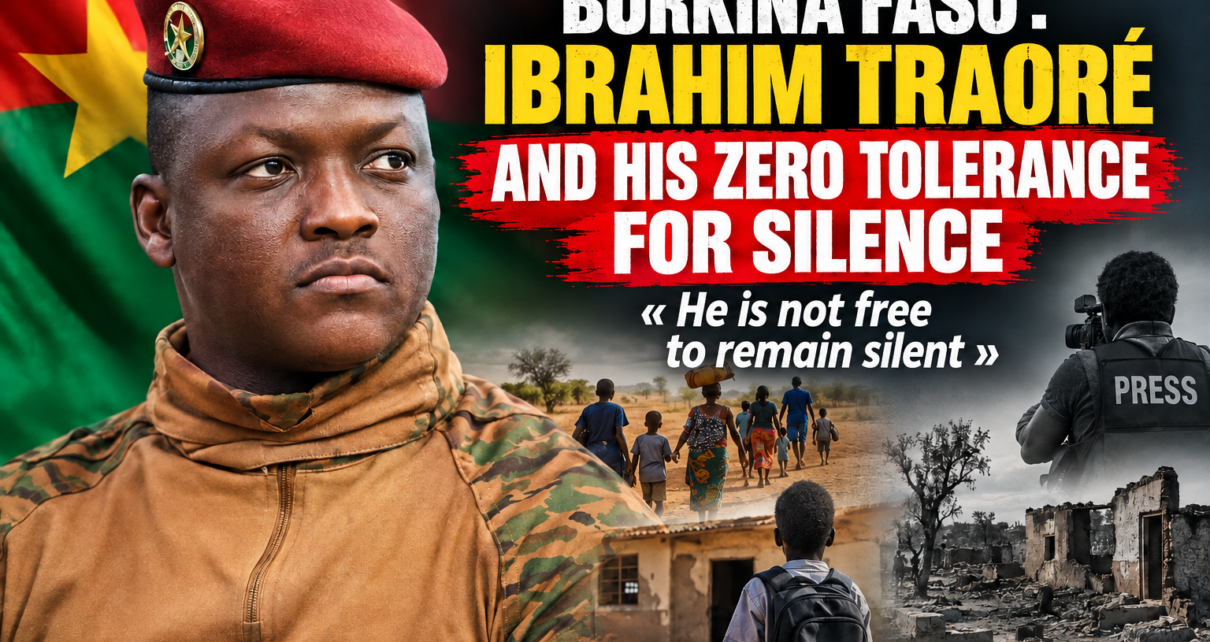
When Ibrahim Traoré addressed the nation to present his four-year record in late September 2026, the official narrative centered on military operations, reclaimed territories, and economic initiatives. Yet a national balance sheet cannot be authored by those in power alone it must also reflect the lived realities of ordinary citizens.
The Human Cost Behind the Security Narrative
Central to evaluating this presidency is the unresolved displacement crisis. As of the end of 2025, over 2.06 million Burkinabè had been internally displaced, forced from their homes by escalating violence. When including refugees and asylum seekers, the total surpassed 2.1 million a staggering human toll that transcends national borders.
In neighboring Côte d’Ivoire, nearly 82,000 Burkinabè refugees were registered by mid-2026, living in overcrowded camps where the scars of displacement are etched into every face. The sight of families separated from their land, farmers unable to cultivate, and children denied a normal education underscores a brutal truth: reclaimed territory on a map does not equate to a livable and secure community.
To claim success, reintegration must go beyond military control. It requires returnees to resettle permanently, cultivate their fields, attend school without fear, and access healthcare without threat. Until then, the narrative of progress remains incomplete.
Cracks in the Facade of Stability: The Price of Suppressed Dissent
The government’s defense of its record extends beyond security metrics. It emphasizes investment and infrastructure, seeking validation through externally visible projects. Yet beneath this surface lies a tightening grip on civic space.
Independent monitoring in 2026 revealed a troubling pattern: journalists, local NGOs, and outspoken critics faced growing restrictions. Reports documented the dissolution of 118 civil society organizations and the continued absence of answers regarding journalist Serge Oulon’s fate. These actions send a chilling signal: questioning authority is increasingly conflated with disloyalty.
The state does not hold a monopoly on patriotism. Independent scrutiny is not sedition it is the lifeblood of democratic accountability. When citizens are silenced in the name of unity, the nation loses more than voices; it loses the opportunity for reflection, reform, and renewal.
Whose Narrative Holds Weight? Separating Official Rhetoric from Ground Truth
Supporters of Ibrahim Traoré point to military gains and development projects as signs of progress. These achievements deserve scrutiny, not dismissal. But they must be weighed alongside the lived consequences of four years under this administration.
The true measure of success is not found in press releases or staged imagery, but in the lives of those who have lost home, livelihood, or voice. How many families have returned to their villages? How many parents can send their children to school without fear? How many farmers cultivate with confidence? And crucially how many citizens feel free to criticize without retaliation?
After four years, the pressing questions remain unanswered by official declarations. Until displaced families can return, until dissent is protected, and until communities regain agency over their futures, the balance sheet of Ibrahim Traoré’s tenure will remain deeply uneven and the nation will continue to pay the cost of silence.
Liberation is not achieved through enforced quiet. It is forged when people can speak freely, live without fear, and hold their leaders to account.
By Jean Nguimfack — Reporter