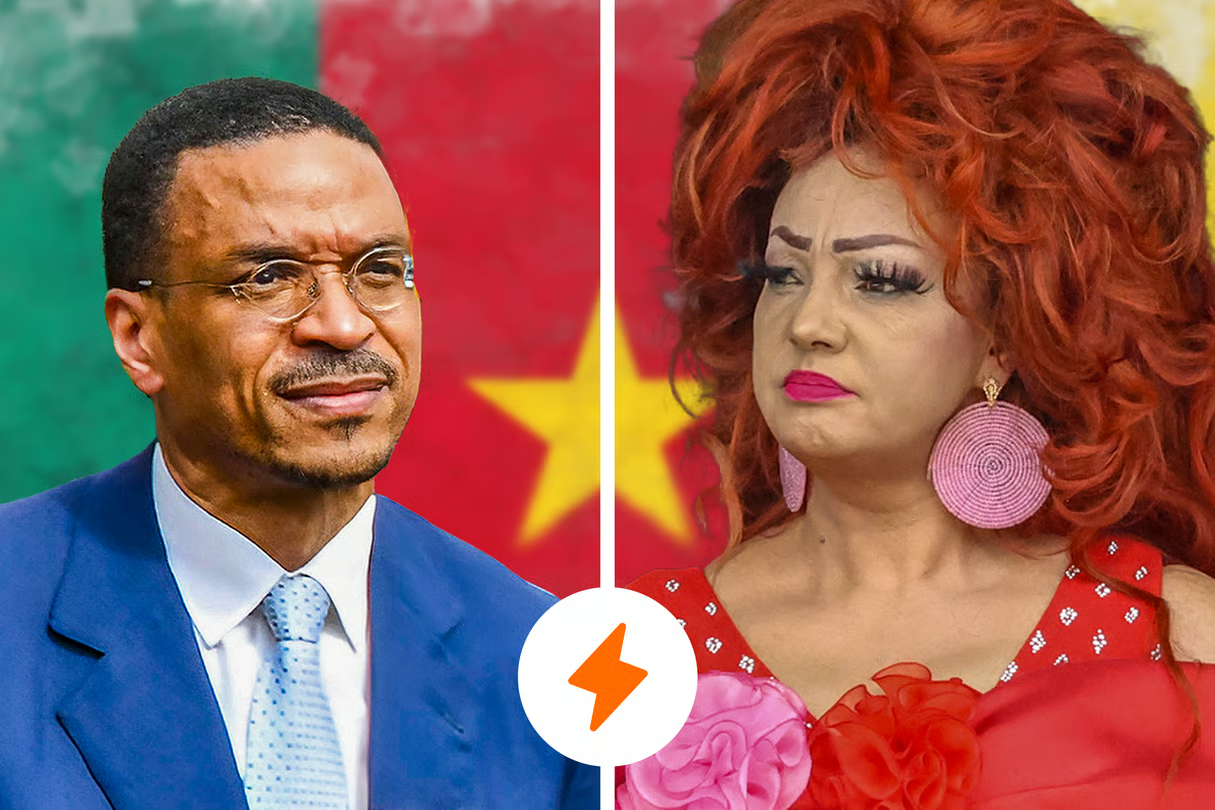
Mounting tensions in Cameroon as Franck and Chantal Biya stake their claims
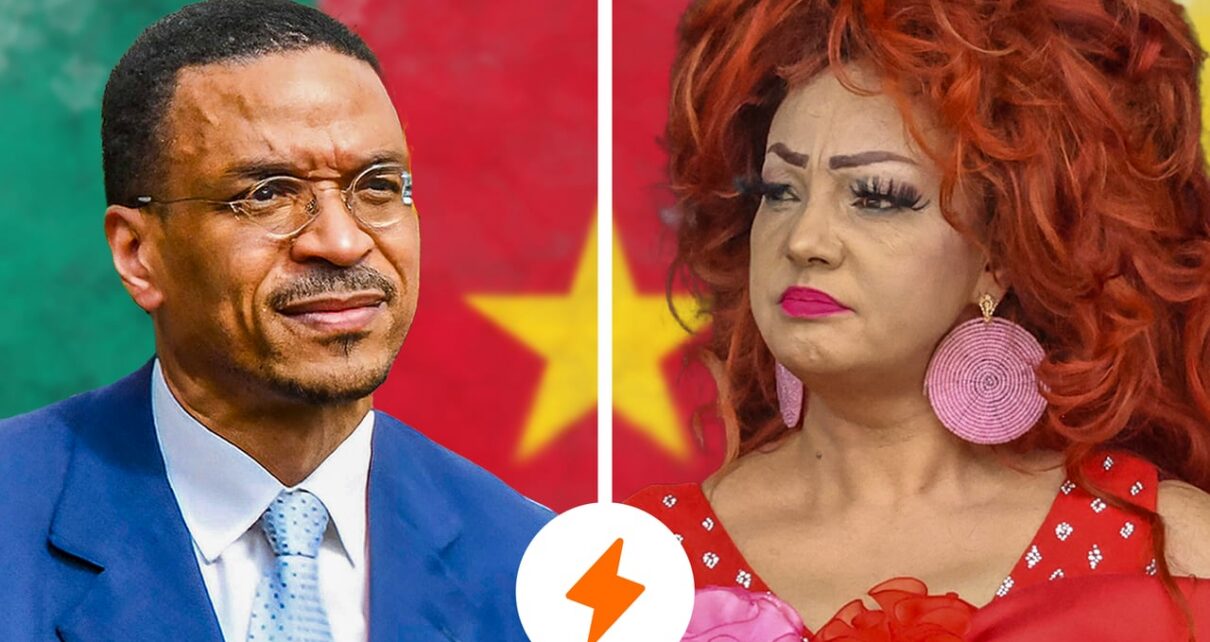
Cameroon stands at a critical juncture as the shadow of succession looms over the presidency. The nation watches closely as two powerful figures—Franck Biya, the President’s son, and Chantal Biya, the First Lady—emerge as central players in this high-stakes power play.
A rivalry rooted in influence and ambition
The simmering rivalry between Franck Biya and Chantal Biya has moved beyond mere speculation, casting a long shadow over the country’s political landscape. With President Paul Biya nearing the end of his extended tenure, the question of who will succeed him has become the defining issue of Cameroon’s future. Both figures have spent years cultivating their own bases of support, raising concerns about a potential power struggle that could destabilize the nation.
The First Lady, Chantal Biya, has long been a prominent figure in Cameroon’s political circles, wielding significant influence behind the scenes. Her strategic maneuvers and close ties to key decision-makers have positioned her as a formidable force in the corridors of power. Meanwhile, Franck Biya, who has steadily risen through the ranks, represents a new generation of leadership with his own ambitions and alliances.
The stakes of Cameroon’s succession battle
The outcome of this unfolding drama will shape Cameroon’s trajectory for decades to come. The stakes are immense: the stability of the country, the continuity of its policies, and the balance of power among its elites all hang in the balance. As factions line up behind each contender, the potential for division and conflict grows more pronounced.
Observers note that Franck Biya has been steadily expanding his influence, securing key appointments and fostering relationships with influential figures across the political spectrum. His supporters argue that his youth and energy could bring a fresh dynamic to the presidency, while critics warn that his rapid rise could exacerbate existing tensions within the ruling establishment.
On the other hand, Chantal Biya commands unwavering loyalty from a significant segment of the ruling party and its allies. Her ability to mobilize support and maintain cohesion among factions underscores her enduring political acumen. Yet, her dominance in the succession narrative also raises questions about the concentration of power and the potential for internal strife.
What lies ahead for Cameroon?
The coming months will be decisive. As Cameroon grapples with economic challenges, security concerns, and regional dynamics, the leadership transition will be closely scrutinized both domestically and internationally. The public is growing increasingly aware of the maneuvers unfolding behind closed doors, with speculation rife about the potential outcomes of this power struggle.
The uncertainty surrounding the succession has already begun to affect public sentiment, with many citizens voicing concerns about the country’s future direction. Meanwhile, international partners are watching closely, wary of any disruption that could undermine stability in a region already grappling with instability.
One thing is clear: Cameroon stands at a crossroads. The decisions made in the coming months will determine whether the country can navigate this transition smoothly or whether it will be plunged into deeper uncertainty. As the rivalry between Franck Biya and Chantal Biya intensifies, the nation braces itself for what could be a defining moment in its history.