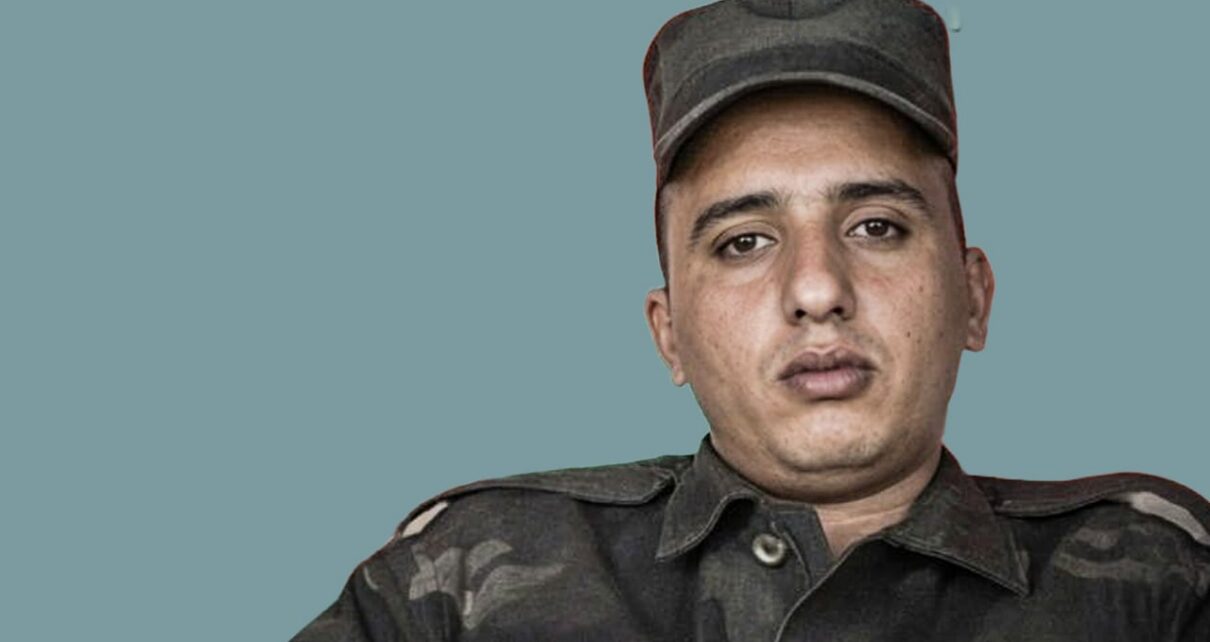

The unexpected passing of Lahbib Mohamed Abdelaziz, son of the former Secretary-General of the Polisario Front, has sent shockwaves through the long-standing Western Sahara conflict. At just 42 years old, his death has left many questioning the future of negotiations that have stalled for decades.
Mohamed Abdelaziz, who led the Polisario Front for nearly 40 years before his own death in 2016, was a towering figure in the movement advocating for Western Sahara’s independence. His son’s sudden demise now raises concerns about a potential leadership vacuum within the organization.
What this means for the peace process
The United Nations has been mediating discussions between the Polisario Front and Morocco for years, with little progress. Observers worry that the loss of a key figure like Lahbib Mohamed Abdelaziz could further complicate efforts to reach a lasting resolution.
The Polisario Front has historically demanded a referendum on self-determination for Western Sahara, a former Spanish colony annexed by Morocco in 1975. Morocco, however, insists on a plan for autonomy under its sovereignty. The death of a prominent voice within the independence movement could shift the balance of power and influence negotiations.
Reactions from both sides
While the Polisario Front has yet to issue an official statement, insiders suggest that the organization is already assessing its next steps. Within Morocco, officials remain cautious, though some analysts believe Rabat may see this as an opportunity to push its autonomy proposal more aggressively.
International observers are closely monitoring the situation, with the United Nations reiterating its commitment to a peaceful resolution. The UN Mission for the Referendum in Western Sahara (MINURSO) has played a central role in monitoring ceasefire agreements since 1991.
What happens next?
The coming weeks will be critical in determining how the Polisario Front reorganizes and whether it can maintain unity. Meanwhile, Morocco’s stance remains firm, and the international community continues to urge both parties to engage in meaningful dialogue.
As tensions simmer, the question remains: will this tragic event reignite momentum for peace, or will it deepen the divide between the two sides?