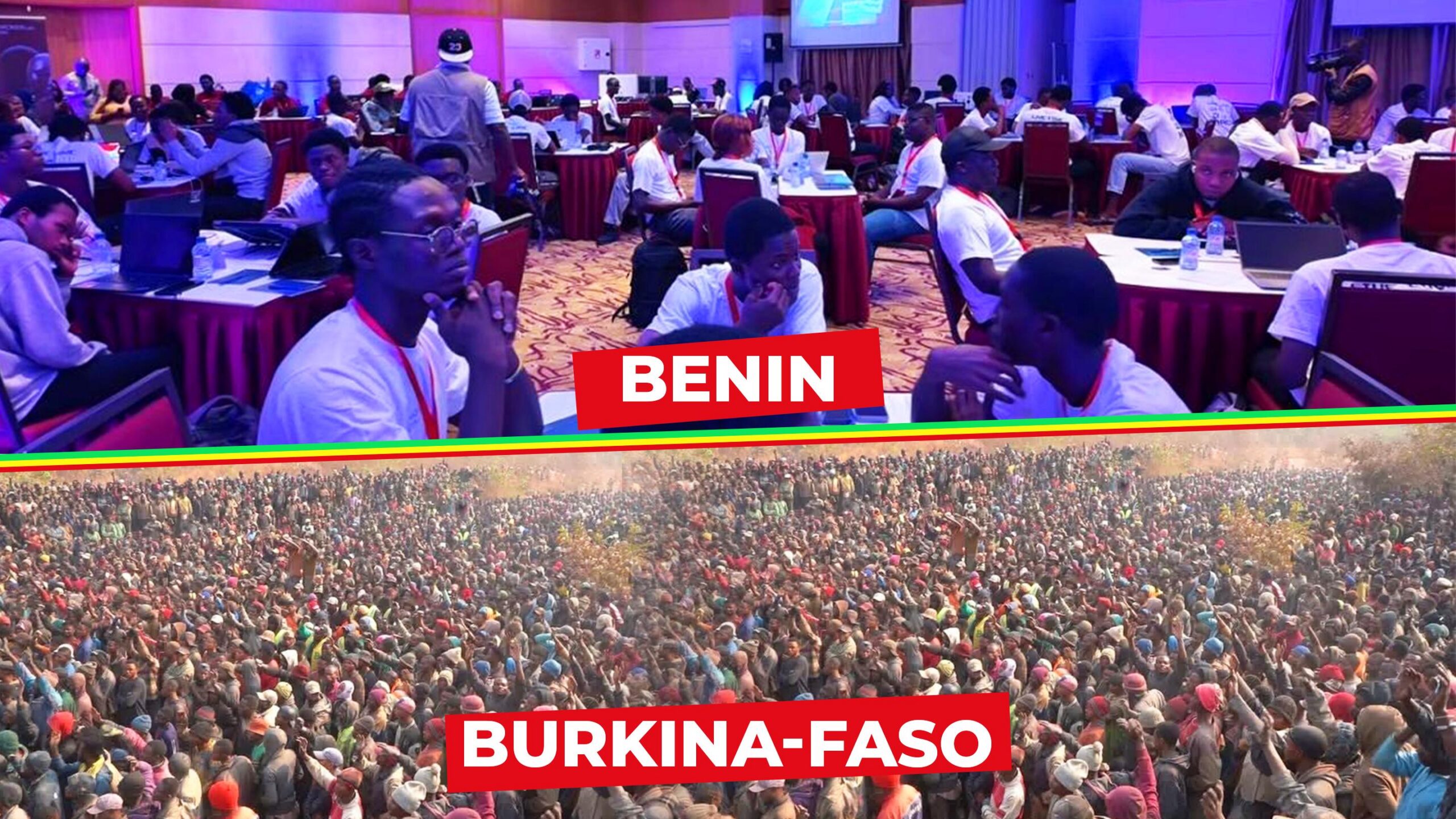
The future prosperity of African nations hinges on a critical question: are today’s investments in human capital and innovation sufficient to secure tomorrow’s technological leadership? As some countries prioritize long-term strategies, others grapple with immediate crises that divert attention from sustainable progress. The contrasting paths of Benin and Burkina Faso reveal a strategic divide that demands closer examination.
Benin’s digital dawn: nurturing tomorrow’s innovators
In a bold move to position itself at the forefront of Africa’s digital transformation, Benin hosted the Cyber Africa Forum (CAF) on November 16–17, bringing together young technologists to tackle contemporary digital challenges. This high-stakes competition was not a mere spectacle but the culmination of months of meticulous preparation.
The journey began two months prior with an extensive selection process. Teams were carefully assembled, and participants faced daily challenges for an entire month. Only the top 20 teams advanced to the final round, where their technical prowess, adaptability, and creativity were put to the test. The stakes were high, but so were the rewards: a platform to showcase their talents and contribute to Benin’s digital ecosystem.
This initiative transcends traditional competitions. It reflects a deliberate strategy to cultivate a skilled workforce capable of driving innovation, fostering entrepreneurship, and securing Benin’s place in the global digital economy. The forum underscores a fundamental truth: national sovereignty today is increasingly defined not just by military or diplomatic strength, but by the ability to harness technological expertise and nurture local talent.
Burkina Faso’s pressing dilemma: balancing politics with social resilience
While Benin invests in its future, Burkina Faso faces a starkly different challenge: the sudden return of thousands of artisanal miners expelled from neighboring Guinea. These workers and their families now face an uncertain future, stripped of their livelihoods and struggling to rebuild their lives.
Their plight highlights the urgent need for concrete solutions. How many individuals and families are affected? What support systems have been established for their reintegration? Are there vocational training or economic diversification programs in place? Transparent answers to these questions are essential for restoring stability and preventing further social upheaval.
Political controversies and high-profile arrests may dominate headlines, but they cannot substitute for tangible economic opportunities. A nation’s strength is not measured solely by the absence of dissent or the presence of patriotic rhetoric. It is demonstrated through policies that anticipate crises, protect livelihoods, and create sustainable pathways for growth.
Two nations, two visions: which path leads to lasting progress?
No one claims Benin has solved all its challenges, nor should Burkina Faso’s struggles be dismissed. The realities of both countries differ significantly, and a fair comparison must acknowledge their distinct contexts. Yet the contrast between their approaches raises a pressing question: where should a nation’s priorities lie?
Benin’s focus on digital skills and innovation signals a commitment to long-term development. By investing in education, fostering talent, and creating opportunities, it is laying the groundwork for a future where technology and economic growth go hand in hand. Burkina Faso, meanwhile, confronts an immediate crisis that threatens its social fabric. Addressing this requires more than political grandstanding it demands targeted interventions that restore economic stability and protect vulnerable populations.
The future we build today
Africa’s development cannot be dictated by slogans or fleeting trends. It is forged through deliberate, measurable actions: investment in education, encouragement of innovation, creation of decent jobs, and the transformation of political ambition into tangible outcomes.
The Cyber Africa Forum offers a glimpse of what is possible when a nation prioritizes its youth and their potential. Conversely, Burkina Faso’s challenges remind us that no vision for the future can succeed without addressing the immediate needs of its people. The continent’s progress depends not on the volume of its political discourse but on the substance of its policies and the resilience of its communities.
Ultimately, the question remains: are we building the foundations of an Africa that is technologically advanced, economically robust, and socially inclusive? The answer will unfold in the years to come but it starts with the decisions made today.
By AMINA SALEY — Journalist