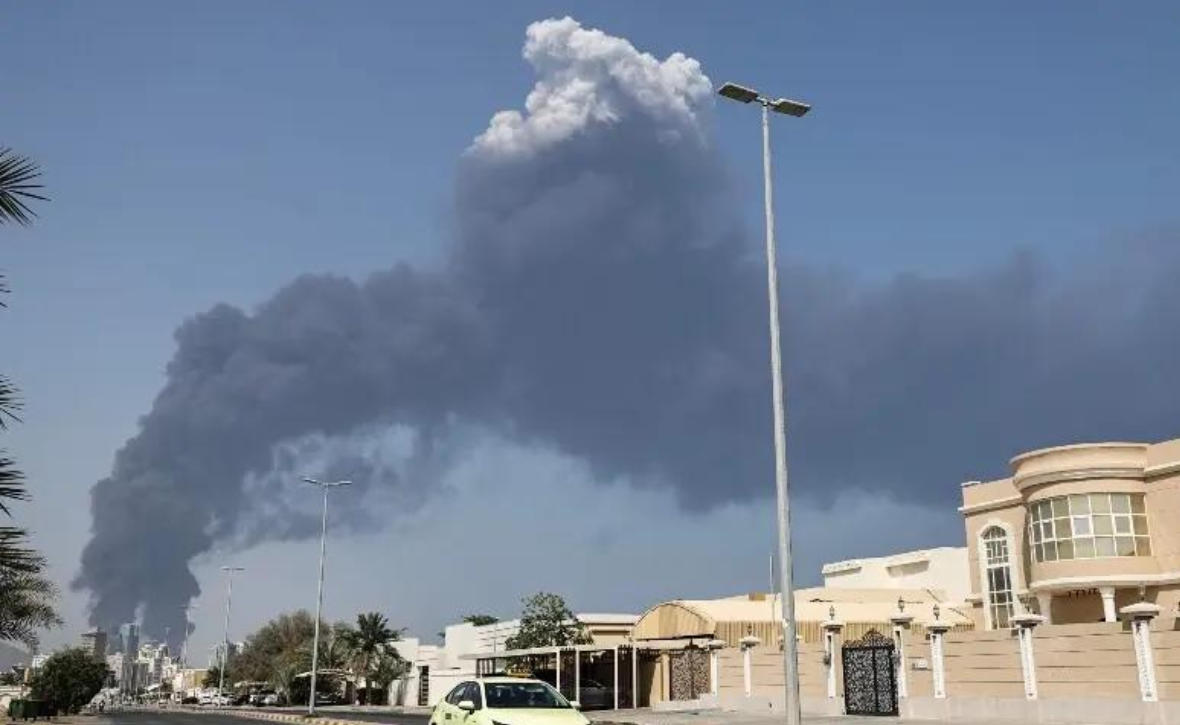
Regional tensions escalate as Iran strikes US military hubs in Bahrain and Kuwait
The long shadow of Iran’s confrontation with the United States has lengthened once more across the Persian Gulf. In a sharp escalation of hostilities on November 18, 2026, Iran launched targeted strikes against key military facilities used by American forces in both Kuwait and Bahrain. These developments have sounded alarm bells across the region, raising urgent questions about the potential for a broader Middle Eastern conflict.
The rise of direct attacks on US bases in the Gulf
The latest military actions mark a significant intensification in the ongoing standoff. The attacks specifically focused on the Ali Al Salem Air Base in Kuwait—a major US military logistics hub—and reportedly targeted radar installations at the Sheikh Isa base in Bahrain. According to local authorities, air defense systems intercepted multiple hostile drones, though details on the extent of damage remain unclear.
This shift in strategy by Tehran signals a new phase in the confrontation, one that no longer confines itself to proxy conflicts or indirect strikes. Instead, Iranian forces are now engaging directly with US military infrastructure in neighboring Gulf states—a move that dramatically alters the dynamics of regional security.
Why Bahrain and Kuwait are now in the crosshairs
Bahrain holds a uniquely strategic position in the US military footprint in the Middle East. Home to the US Navy’s Fifth Fleet headquarters, the island nation serves as the command center for maritime security operations across the Persian Gulf, Gulf of Oman, and surrounding waters. Any direct or indirect targeting of Bahrain thus represents a direct challenge to American operational dominance in the region.
In Kuwait, the Ali Al Salem Air Base plays a critical role in US aerial operations, serving as a staging ground for logistics, intelligence, and rapid deployment capabilities. The interception of hostile drones by Kuwaiti authorities underscores the growing threat posed to these installations and highlights the region’s vulnerability to asymmetric attacks.
Despite widespread speculation on social media, there is no verified information confirming that the Fifth Fleet headquarters in Bahrain was directly hit or destroyed. However, the very fact that such rumors circulate—even in unconfirmed form—illustrates the high stakes and the level of concern among regional observers.
The widening ripple effects of Iran’s military strategy
These recent strikes are not isolated incidents but part of a broader pattern of escalation that includes cyber operations, sabotage of shipping, and covert support for proxy forces. The stated objective behind Iran’s actions is clear: to demonstrate its capacity for retaliation against US military presence without triggering an all-out war.
Yet the danger of miscalculation looms large. A single incident involving casualties could trigger a disproportionate American response, potentially dragging Gulf states—willingly or unwillingly—into a full-blown conflict. For Bahrain and Kuwait, already caught between their strategic alliances with Washington and the geopolitical realities of their neighborhood, the margin for maneuver is shrinking rapidly.
The economic stakes: how a regional war threatens global markets
The Persian Gulf is not just a theater of military confrontation—it is a vital artery of the world economy. The Strait of Hormuz, through which approximately 20% of the world’s oil supply transits daily, remains a potential flashpoint in this crisis. Any sustained disruption to maritime traffic could send shockwaves through energy markets, triggering price surges and supply chain disruptions worldwide.
Industrial facilities, refineries, and shipping lanes are all within range of potential strikes or sabotage. Even indirect conflicts—such as cyberattacks on port systems or blockades—could paralyze global trade. The financial and humanitarian consequences of such a scenario would be catastrophic, extending far beyond the borders of the Gulf states.
What comes next: diplomacy or further descent into war?
The coming hours and days will be decisive. Both Washington and Tehran face a critical choice: double down on military posturing or seek a pathway back from the brink. So far, diplomatic channels—including indirect talks mediated by regional partners—have struggled to gain traction amid mutual accusations and rising distrust.
For now, the US military remains on high alert across the Gulf, with enhanced security measures around key installations. Similarly, Iran has signaled its readiness to escalate if further strikes are launched against its territory. The risk of a cycle of retaliation and counter-retaliation has never been higher.
The international community watches with bated breath as the region teeters on the edge of a conflict that could reshape global power dynamics. Whether this escalation can be contained or whether the Gulf is on the brink of a new era of open warfare may well be decided in the next few days.